
The Quiet Accumulation Beneath the Towers
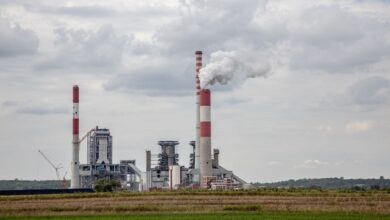
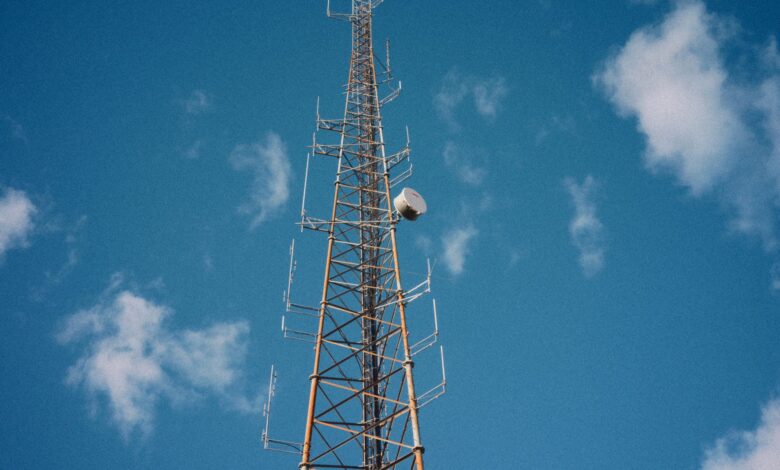
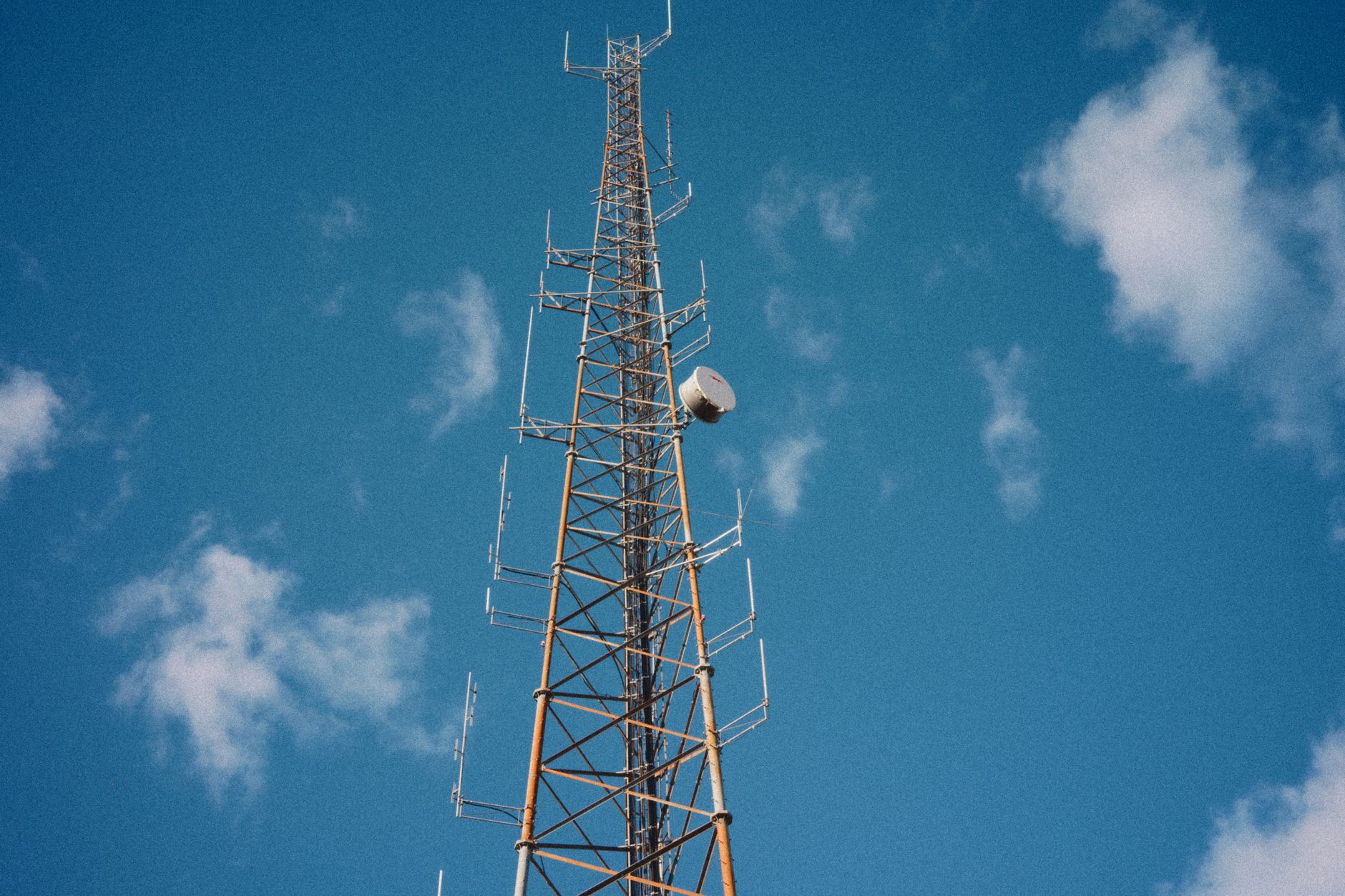
Broadcast towers dot the American landscape – along highways, on hilltops, at the edges of suburbs – and most people drive past them without a second thought. Below those steel structures, however, sits a category of real estate that pension funds have been buying with increasing conviction: the ground leases that anchor broadcast towers to the land. These are not flashy acquisitions. There are no press conferences, no ticker-tape announcements. The transactions happen in bilateral deals, often through intermediary holding structures, and the asset class remains largely invisible to mainstream financial coverage.
The logic is straightforward once you understand the structure. A tower company – or in many cases a broadcaster – owns the physical structure but leases the underlying land from a separate owner, often under terms that run 20 to 99 years. The landowner collects rent, typically with built-in escalators tied to inflation or fixed annual bumps. The tenant, who has tens of millions of dollars of infrastructure sitting on that plot, has an extraordinarily strong incentive to keep paying. Vacating a broadcast tower site is not like moving out of an office. It requires regulatory coordination, new permits, and in some cases engineering work that can cost more than several years’ worth of rent.
That asymmetry – a tenant who cannot easily leave, a lease term that stretches across decades, and an inflation-linked income stream – is exactly what pension funds are hunting for right now.
Why This Asset Class Works for Long-Duration Portfolios
Pension funds operate on long time horizons by design. They have obligations stretching 30, 40, even 50 years into the future, and matching those liabilities requires assets that generate reliable, durable cash flows without constant active management. Broadcast tower ground leases check every one of those boxes. The income is contractual, not dependent on business performance or commodity prices. The tenant is typically a tower company with an investment-grade credit profile or a licensed broadcaster whose spectrum rights are federally regulated. Default risk is low not because the tenants are wealthy, but because the cost of default – losing the right to occupy a site where they’ve anchored infrastructure – is prohibitive.
The inflation-protection feature deserves more attention than it typically gets. Many of these ground leases were originally written with annual rent escalators between two and three percent, or with Consumer Price Index adjustments. In a decade when real assets are being revalued for their inflation sensitivity, a 30-year lease with a built-in two percent annual bump compounding from a low base starts to look very attractive relative to fixed-rate bonds. The income stream grows every year without any capital expenditure requirement on the landowner’s part. There are no roofs to replace, no tenants to manage, no maintenance calls at midnight.
Pension funds that have already built positions in pharmaceutical royalty trusts will recognize the structural similarity: both are passive income streams secured by an asset – a spectrum license, a drug patent – that the counterparty cannot afford to abandon. The royalty trust investor doesn’t manage the drug; the ground lease investor doesn’t manage the tower. They simply collect.

How the Acquisition Pipeline Actually Works
Most of the activity in this space is not happening through public markets. There is no liquid exchange for broadcast tower ground leases. Instead, pension funds – or more accurately the infrastructure arms of their asset managers – are sourcing deals through a combination of direct outreach, relationship-based brokerage, and portfolio acquisitions from smaller operators who assembled these leases opportunistically over the past decade. A single transaction might bundle 40 or 50 ground leases across multiple states, packaged by a regional aggregator looking to monetize positions built up over years of knocking on landowners’ doors.
The pricing dynamics are worth understanding. Ground lease values are typically expressed as a multiple of annual rent. In competitive processes with multiple institutional bidders, that multiple has been climbing. The rationale for paying a higher multiple is straightforward: if the lease escalates at two percent annually and the buyer holds for 30 years, the entry multiple becomes less relevant to the overall return. What matters more is the quality of the tenant, the remaining lease term, and whether there are renewal options in the buyer’s favor. Pension fund buyers can be patient in ways that private equity buyers – who need to exit within five to seven years – structurally cannot.
There is also a regulatory dimension that makes this category more defensible than standard commercial real estate. Broadcast tower tenants operate under Federal Communications Commission licenses that require specific site locations tied to their coverage maps. Moving a transmitter is not simply a real estate decision; it triggers FCC review and can affect broadcast coverage agreements with affiliates. This regulatory stickiness means the effective duration of these leases often exceeds their nominal term, because tenants will renew rather than navigate the regulatory cost of relocation.
What the Accumulation Signals Going Forward

The quiet build-up of broadcast tower ground lease portfolios by pension funds signals something worth watching: institutional capital is systematically moving into categories of infrastructure-adjacent real estate that were previously too fragmented and too obscure to attract large allocators. As aggregators package these leases into institutional-scale portfolios, the barrier to entry rises and the window for early positioning narrows. The pension funds moving now are not doing so because the opportunity is secret – they’re moving because they have the patient capital that the asset demands, and most of their competitors still don’t have the sourcing infrastructure to compete efficiently in a market where deals are made over phone calls, not auction platforms.
Frequently Asked Questions
What is a broadcast tower ground lease?
A broadcast tower ground lease is a long-term contract giving a tower company or broadcaster the right to use a plot of land for their infrastructure, while the landowner collects rent.
Why are pension funds interested in broadcast tower ground leases?
The leases offer long-duration, contractual income with inflation escalators and very low default risk, making them a strong match for pension funds’ long-term liability profiles.