

A government shutdown deadline works like a clock Congress keeps rewinding. Each time it nears zero, lawmakers find a way to push it back, and each time the rewinding gets harder to explain to voters.
Senate appropriators are now back in that familiar position, trying to move federal funding legislation before the next lapse in spending authority arrives. The work is mostly procedural and mostly invisible until it fails: committee markups, negotiations over spending ceilings, and quiet conversations about which policy fights can be attached to must-pass bills and which have to wait. The outcome decides whether federal employees are paid, whether national parks stay open, and whether agencies can sign contracts, and it often turns on a handful of senators who never appear in the headlines.

Why the Deadline Keeps Coming Back
The federal government funds itself through twelve annual appropriations bills, each covering a different slice of discretionary spending, from defense to agriculture to transportation. The fiscal year begins October 1, and Congress has not finished all twelve on time since the 1990s. The failure is built into the process. Each bill needs to clear a subcommittee, a full committee, both chambers, and the president’s desk, and any one of them can stall the rest.
Before any bill is written, appropriators need an agreement on how much money exists to divide. Without a shared topline number, the subcommittees are drafting against different assumptions, and the House and Senate can produce bills that look nothing alike. Reconciling them means negotiating not just dollar figures but also the policy language, known as riders, that members attach to spending measures.
The Senate adds its own obstacle. Most spending bills need 60 votes to advance, which means the majority party cannot pass them alone. A bill that satisfies the majority’s priorities but loses the minority’s support simply does not move. That math pushes Senate appropriators toward bipartisan packages, and it gives the minority real leverage even when it is outnumbered.
The Stopgap Habit
When full-year bills are not ready, Congress reaches for a continuing resolution, a temporary measure that keeps agencies funded at existing levels. A stopgap avoids the immediate crisis, but it also freezes spending decisions in place. Agencies cannot start new programs, and they cannot adjust to changing needs, so planning gets harder even when the lights stay on.
Stopgaps also teach both parties a risky lesson: the deadline can always be pushed. That belief weakens the urgency to finish real negotiations, and it makes each extension a little more contentious than the last. Members who want policy concessions have learned that the days before a funding cliff are the moment of maximum leverage, so the incentive is to hold out, not to settle early.
The Politics Behind the Clock
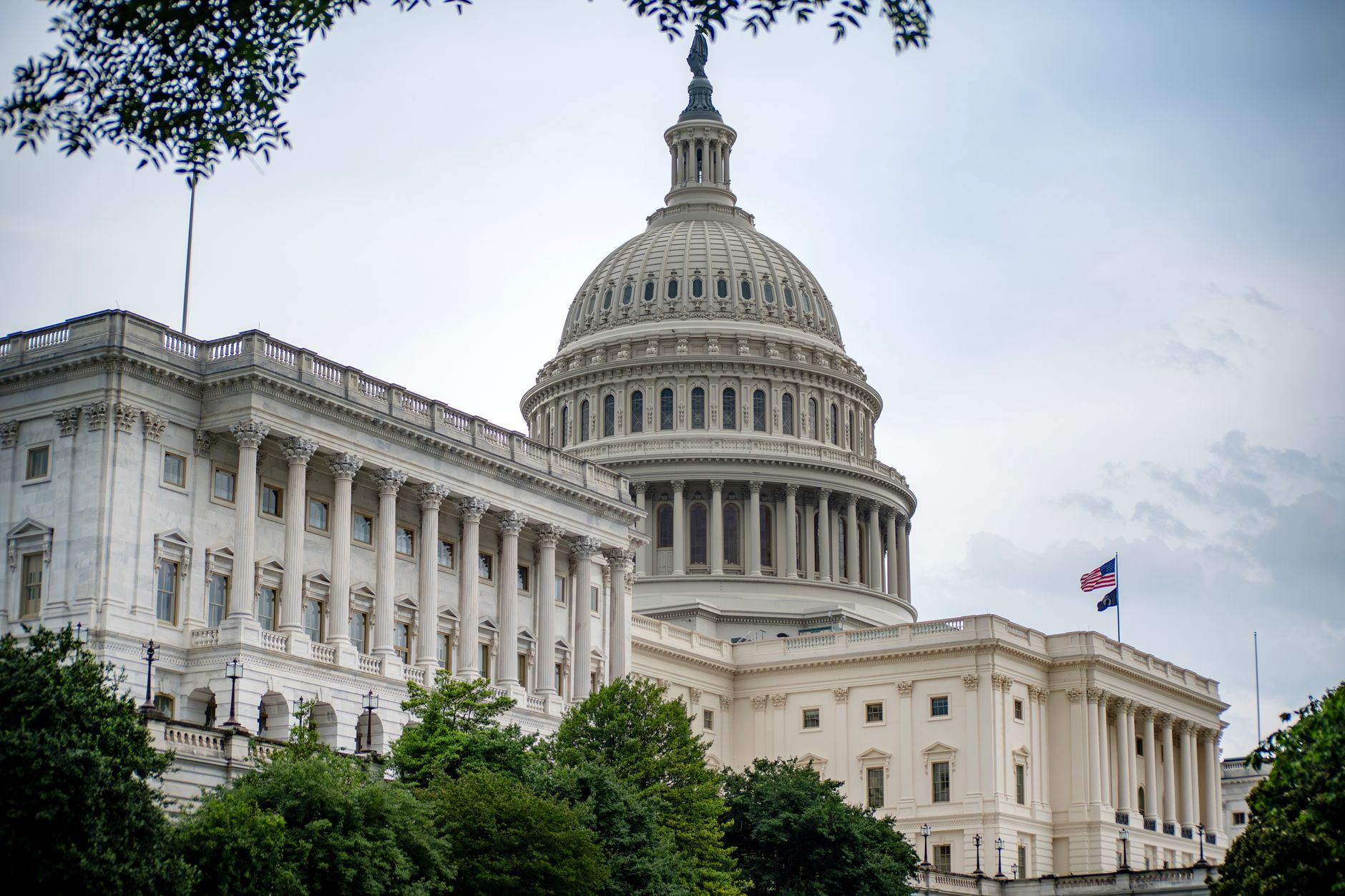
The central tension in the Senate is that appropriators and party leaders want different things. Appropriators, who spend their careers on the details of agency budgets, tend to value a finished bill over a winning argument. Party leaders and rank-and-file members, by contrast, often see the funding deadline as the one reliable moment when the other side can be forced to respond. Those instincts collide whenever a bipartisan committee deal reaches the floor and members start asking what else it could carry.
Shutdown politics also run on blame. Each party calculates which side voters will hold responsible, and that calculation changes with the issue at stake. A fight over border policy produces one set of incentives, a fight over health programs or federal workforce cuts produces another. Neither party can be certain the public will punish the other, which is part of why brinkmanship persists. A strategy that looks safe in a closed-door meeting can look very different after several days of closed agencies and unpaid workers.

The House complicates every Senate calculation. A bipartisan Senate package means little if the House will not take it up, and a House bill built around narrow majority priorities usually cannot clear the 60-vote Senate threshold. Appropriators in both chambers spend much of their time guessing what the other side will accept, and a wrong guess can cost days that the calendar does not have. Even a clean Senate vote leaves the final text to be negotiated, and any late change can restart the clock.
Then there is the cost of failing, which is easy to underestimate because it arrives in pieces. Federal employees miss paychecks or work without them, contractors lose revenue that is rarely recovered, and services that depend on federal approval slow to a crawl. Congress has also usually passed back pay for furloughed workers after past shutdowns, but that promise is only as reliable as the votes behind it. So the question facing Senate appropriators is not only whether they can find 60 votes this time, but whether the habit of living on deadlines will leave any room to stop.
Frequently Asked Questions
What causes a government shutdown?
A shutdown happens when Congress and the president fail to enact funding legislation before existing spending authority expires. Without it, many federal agencies must halt non-essential operations.
What is a continuing resolution?
A continuing resolution is a temporary spending measure that keeps agencies funded at current levels while lawmakers keep negotiating full-year appropriations bills.
Why does the Senate need 60 votes for spending bills?
Most spending bills face a filibuster threat, so ending debate requires 60 votes. That means the majority party usually needs support from the minority to pass funding legislation.