
The Quiet Land Rush Nobody Is Talking About
Sovereign wealth funds – state-controlled investment vehicles managing trillions in national reserves – have been steadily building positions in American agricultural land for over a decade. The activity rarely makes front-page news, partly because these funds structure their acquisitions through holding companies and domestic intermediaries, and partly because farmland as an asset class doesn’t carry the drama of stock market swings. But the scale of what’s happening deserves attention from any investor watching where serious long-term capital is actually moving.
The logic behind the trend is straightforward: farmland produces food, food demand grows with global population, and productive land is finite. For sovereign funds sitting on decades-long investment horizons – funds built to preserve national wealth across generations, not quarters – those three facts combine into a near-perfect asset profile. Low volatility, inflation correlation, tangible underlying value, and zero risk of technological obsolescence. You cannot code a substitute for soil.
Who Is Buying and How They Are Doing It
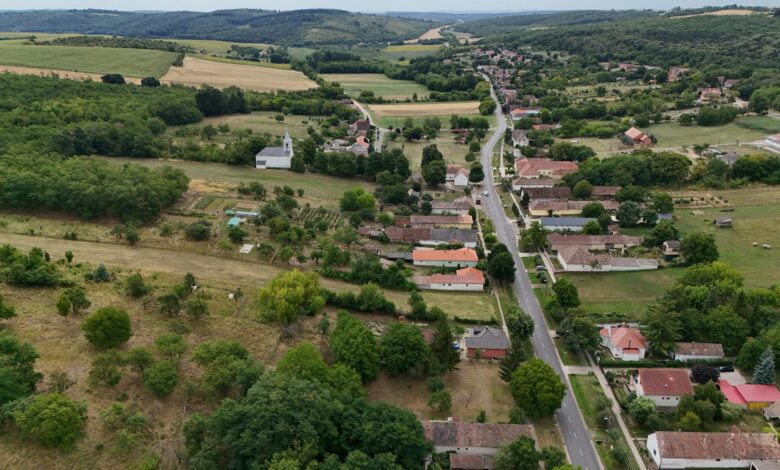
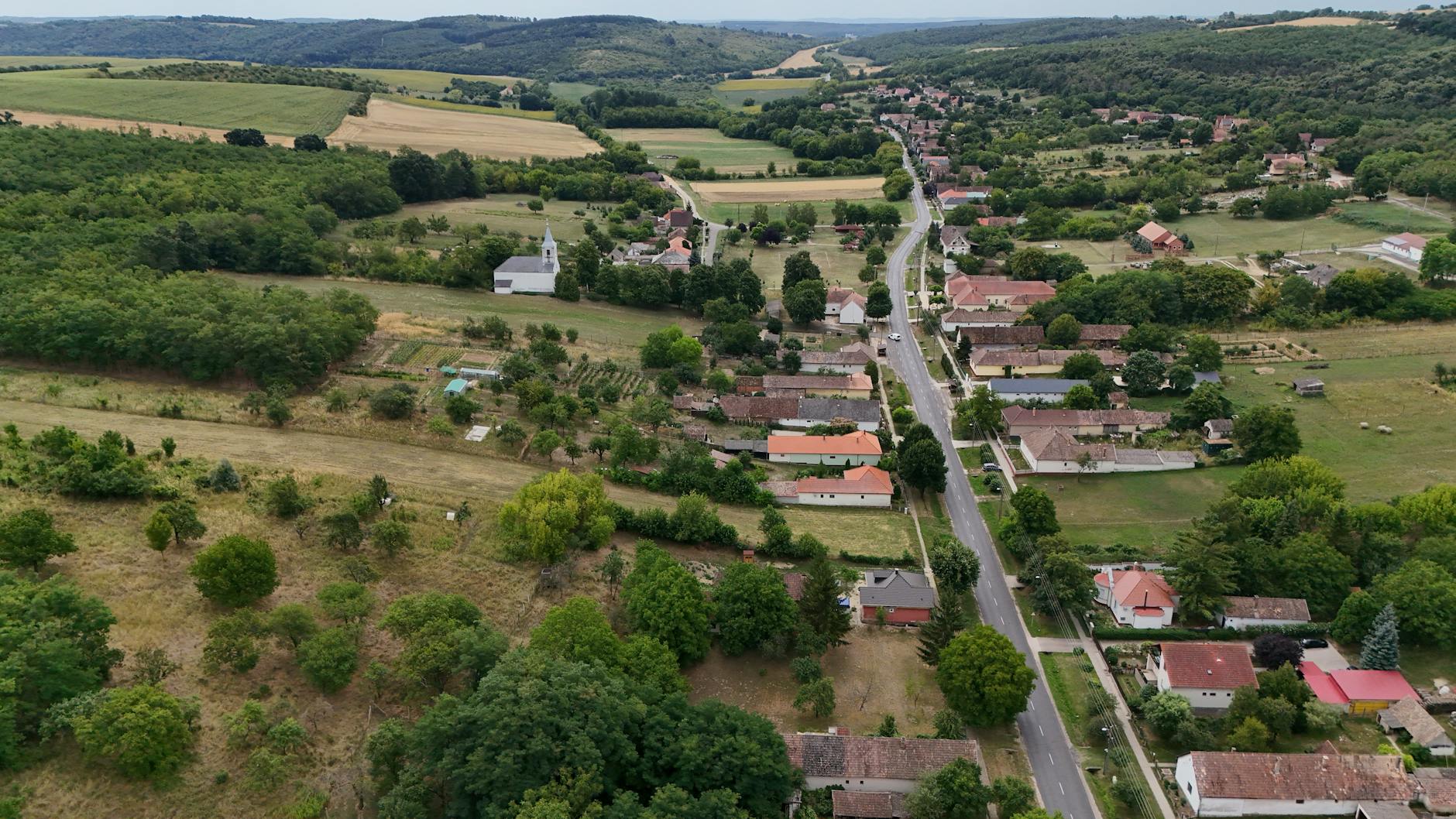
Gulf state funds, Scandinavian pension-linked vehicles, and several Asian sovereign entities have all been linked to US farmland stakes through various reporting and regulatory disclosures. The acquisitions tend to cluster around the Midwest corn belt, California’s Central Valley, and large-scale operations in the Southeast. Direct purchases are sometimes visible through USDA foreign agricultural land ownership data, though reporting gaps and ownership structures mean the true picture is likely broader than what’s formally disclosed.
The preferred method is rarely a direct sovereign-to-seller transaction. Instead, these funds invest through US-based agricultural asset managers, real estate partnerships, or joint ventures with domestic farm operators. That layering accomplishes two things: it provides operational expertise the sovereign fund doesn’t have in-house, and it reduces the political visibility of the acquisition. A Nebraska farm sold to a Delaware-registered LLC with institutional backing doesn’t generate the same headlines as a foreign government buying American cropland outright.

Why Farmland Works as a Reserve Asset
The case for farmland in a sovereign portfolio starts with inflation protection. Agricultural land prices and commodity prices tend to move together over long cycles, which means farmland acts as a natural hedge against the kind of inflationary pressure that erodes the real value of bond-heavy reserve portfolios. When a nation-state is managing a multi-decade fund, that inflation linkage matters enormously.
There’s also the income component. Productive farmland generates rental income through crop-share or cash-rent lease arrangements with working farmers. That yield – typically modest but steady – provides a cash flow base while the underlying asset appreciates. For sovereign funds that need to demonstrate returns to domestic stakeholders without liquidating positions, the rental income stream is a practical feature, not just a theoretical benefit.
Beyond returns, there’s a strategic dimension that pure financial analysis tends to understate. Nations that control productive agricultural land in geographically stable, legally reliable jurisdictions hold a form of food security insurance. The US offers rule of law, deep water access, established commodity markets, and agricultural infrastructure that most of the world can’t replicate. For a fund managing on behalf of a water-scarce or import-dependent nation, that has value that sits outside the standard return calculation.
Farmland also carries something rare in institutional asset management: genuine scarcity. Urban land can be rezoned, office buildings can be demolished and rebuilt, but high-quality agricultural soil in prime growing regions takes centuries to form and cannot be manufactured at any price. That scarcity premium tends to compound quietly over time, which suits patient capital perfectly.
The Political Friction Building Around These Deals
Congressional attention to foreign ownership of US farmland has grown noticeably in recent years. Several bills have proposed stricter disclosure requirements, and some states – including Iowa, North Dakota, and Montana – have passed or strengthened laws restricting or banning foreign ownership of agricultural land outright. The political framing tends to center on national security, with particular concern about Chinese state-linked entities, though the legislative language in several states is broader and could affect other foreign buyers.
The sovereign wealth fund community has watched these developments carefully. Some funds have responded by deepening their intermediary structures or shifting to minority stake positions that fall below certain reporting thresholds. Others have moved toward agricultural lending – financing US farm operations rather than owning land directly – which accomplishes some of the same economic exposure without triggering ownership-based regulations. The asset class is adjusting to the political environment, not retreating from it.

What Individual Investors Can Take From This
Retail investors cannot simply replicate what sovereign funds do – buying thousands of acres of Iowa cropland isn’t an option for most portfolios. But the direction of this capital flow points toward an asset class worth understanding. Farmland-focused REITs and agricultural investment platforms have grown specifically to bridge that access gap, offering fractional exposure to the same underlying asset that sovereign capital is quietly accumulating. Dividend-focused REITs more broadly have drawn significant interest from investors seeking inflation-linked income, and farmland REITs carry a similar appeal with the added layer of commodity exposure.
The more immediate takeaway may be structural. When the most patient, best-resourced institutional capital on the planet – funds managing sovereign reserves with 50-year time horizons – allocates toward a specific asset, that signals something about long-term value that shorter-horizon market pricing can miss. Sovereign funds don’t chase momentum. They build positions in things they believe will hold value across political cycles, currency crises, and market dislocations.
The practical question for any investor watching this trend is whether US regulatory pressure will meaningfully slow foreign accumulation or simply push it deeper into less visible structures. State-level restrictions have real bite at the margin, but federal disclosure requirements remain inconsistent, and the market infrastructure for indirect farmland investment is well-developed enough that a determined sovereign buyer has options. The land is still being acquired – the paperwork trail is just getting harder to follow.