


Why does a television get cheaper while the cost of repairing it, insuring the house it sits in, and ordering dinner in front of it keeps climbing? That question sits at the center of the inflation debate. Prices for physical goods have largely stopped accelerating, and in some categories they have slipped, yet the services side of the household budget has refused to cool at the same pace.
The gap matters because services make up the larger share of what American households spend. A goods slowdown can pull the headline inflation number down only so far when the bigger piece of the basket is still rising. It also complicates the Federal Reserve’s job, since the central bank’s tools work unevenly across the two halves of the economy. Understanding why services behave differently comes down to what actually sets their prices.

What Cooled Goods Prices in the First Place
The run-up in goods prices was, for the most part, a supply story. Clogged ports, factory shutdowns, chip shortages, and a sudden household preference for buying things rather than doing things pushed costs up quickly. As logistics normalized and manufacturers caught up with orders, much of that pressure unwound on its own. Retailers that had been short of inventory found themselves overstocked, and discounting followed.
Goods also have structural features that make their prices easier to pull back down. They are standardized, shippable, and sold in markets where a buyer can compare prices across dozens of sellers in seconds. A manufacturer can move production to wherever it is cheapest, and a retailer that holds a price too high loses the sale to a competitor. Commodity and energy costs feed through to goods quickly in both directions, so when input prices fall, shelf prices tend to follow.
The same shift that eased goods prices also fed the services side. As households rotated spending back toward travel, concerts, restaurants, and personal care, demand for physical products cooled while demand for experiences heated up. Airlines, hotels, and restaurants were suddenly serving crowds that wanted to make up for lost time. Those businesses could not simply produce more output the way a factory can, because every extra customer requires more staff, more space, and more hours. The goods slowdown and the services pressure were, in part, two sides of one change in how people spent their money.
The Housing Lag Inside the Services Number
Shelter is the single largest component of services inflation, and it runs on a delay built into how the cost is measured. Most leases reset once a year, and the official rent figures capture the average across all tenants, not just those signing new contracts today. For homeowners, the consumer price index uses an imputed rent estimate, which moves even more slowly. As a result, the official shelter number can keep climbing for months after asking rents in the market have flattened.
That lag props up the services total regardless of what else is happening in the economy. Even if new-lease rents stay flat from here, the measured figure needs time to catch down.

Why Wages Sit at the Core of the Problem
Beyond housing, much of the stubbornness traces to labor. Haircuts, childcare, medical visits, restaurant meals, and home repairs all use people as their main input, so wage growth flows almost directly into prices. A factory can install a faster machine and produce more units per worker. A barber cannot cut more hair per hour without lowering the quality of the service, and a nurse cannot safely care for twice as many patients. When labor markets are tight and pay rises, those businesses have little room to absorb the cost and few ways to offset it.
Economists describe this pattern as the Baumol effect. Sectors where productivity barely improves still have to pay wages that compete with sectors where it improves a lot, so their costs rise relative to everything else. A tight job market amplifies the effect, because employers across the economy are bidding for the same workers. The pressure is visible in places like restaurants, where staffing costs and the economics of delivery platforms have reshaped menus and margins, a dynamic explored in how food delivery apps are driving restaurant labor costs in major cities.
Some of what shows up as services inflation is also goods inflation returning in a different form. Auto insurance is the clearest case. Premiums reflect what insurers pay out on claims, and those payouts depend on vehicle prices, parts costs, and repair labor, all of which surged earlier. Insurers reprice on a delay because rates must be filed, approved, and then phased in as policies renew. So the price spike in cars and parts a couple of years ago is still working its way through the services column, long after the showroom and parts counter have calmed down.
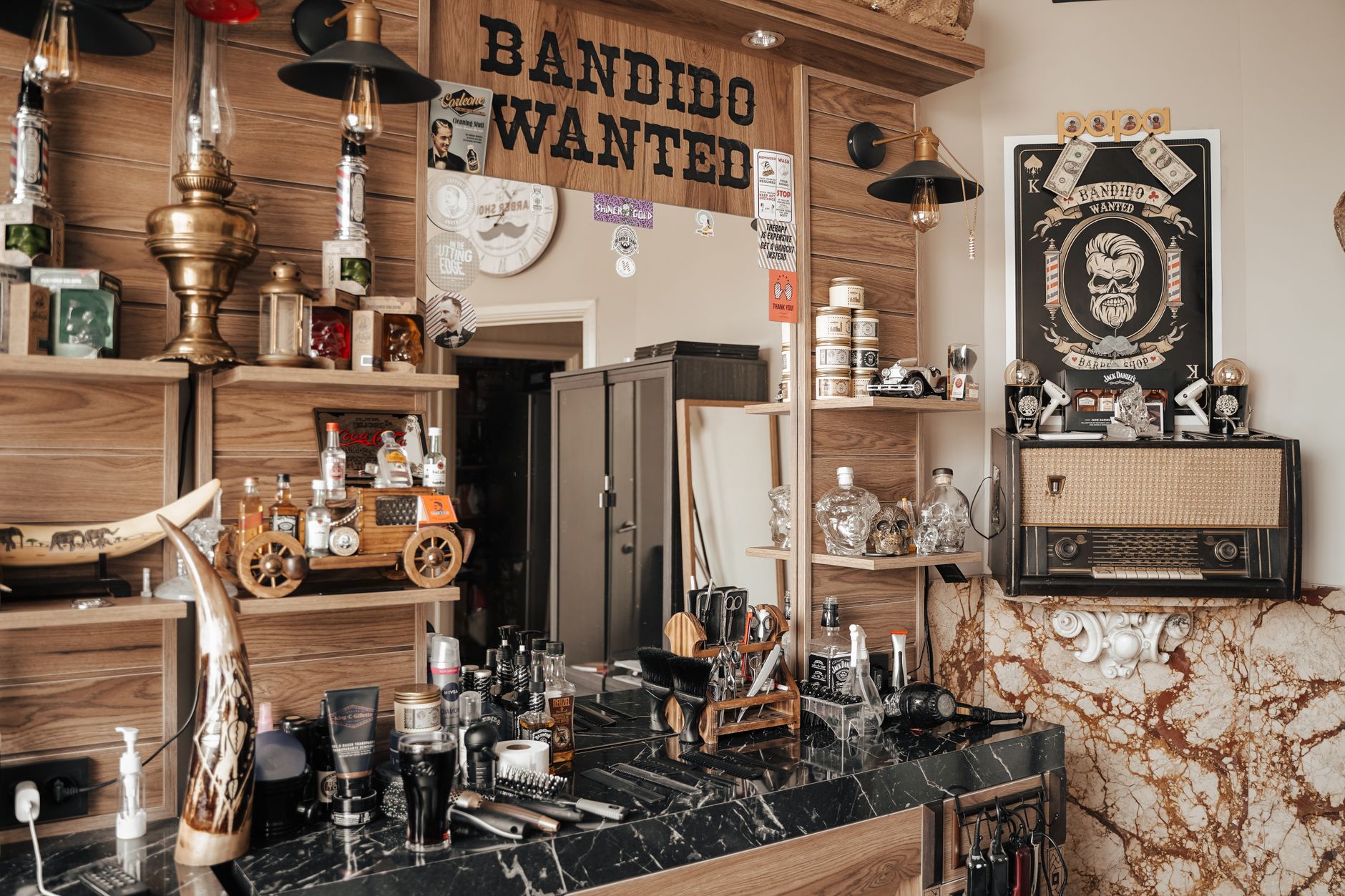
This leaves the Fed with an awkward problem. Higher interest rates cool demand for goods and big-ticket purchases fairly directly, but services prices are anchored by wages and by contracts that reset slowly, which makes them less responsive to rate moves. Bringing services inflation down in a lasting way probably requires the labor market to loosen, with slower hiring and smaller pay increases. That is a painful trade, because the mechanism that would finally cool a barber’s or a dentist’s prices is a weaker job market. If the goods side has already given up most of what it can, how much job-market cooling is the price of getting services in line?