
Chronic Labor Shortages Are Pushing Skilled Trades Wages Past White-Collar Gains


Why would a young worker spend four years and take on tuition debt for an office job when a licensed electrician can often name a price and get it? The question once sounded like a guidance counselor’s provocation. Now it is a spreadsheet exercise, and in a growing number of metro areas the trades are winning it.
The driver is not a sudden romance with tool belts. It is a shortage that has lasted long enough to reset what employers have to pay. When a contractor has signed work and cannot staff it, wage restraint stops being discipline and becomes lost revenue. Pay for electricians, plumbers, HVAC technicians, welders and similar workers has been pulled upward by that arithmetic, while many salaried office roles face the opposite problem: too many qualified applicants chasing too few openings.

A Pipeline That Stopped Filling
For decades the default advice to teenagers was to get a four-year degree and avoid the shop floor. Many high schools trimmed vocational programs to make room for college-prep tracks, and the trades picked up a stigma that no wage chart could easily shake. Meanwhile, the workers already in those jobs kept aging. Retirements began to outrun new entrants, and because a journeyman is built over several years of paid apprenticeship, there is no way to fix the gap in a single hiring cycle.
That lag is the heart of the problem. A shortage of software testers can be eased by a bootcamp and a few months of ramp-up, but a shortage of licensed pipefitters cannot. The pull of people away from work altogether, a pattern examined in Why Prime-Age Workers Are Leaving the Labor Force Again, makes the squeeze tighter, since trades employers draw from the same shrinking pool of people willing to do demanding work on fixed schedules. Contractors in many regions have responded by turning down jobs, which tells you the constraint is people and not demand.
How Scarcity Turns Into a Raise
The mechanics are simple. A contractor with a backlog loses money every day a crew position sits empty, so the rational move is to bid for workers. Some employers raise hourly rates, others pile on overtime, signing bonuses, paid certification, tool allowances and take-home vehicles. Each of these is a cost the business accepts because the alternative, an idle project and an unhappy client, is worse.
The customer ends up paying, and that is why the raises stick. Demand for many trade services is not optional. A failed furnace in January, a flooded basement or an electrical panel that cannot handle an EV charger does not wait for a better market. Homeowners and building managers tend to pay what the job costs, which lets firms pass higher labor costs through to prices and keep paying more to keep their crews.
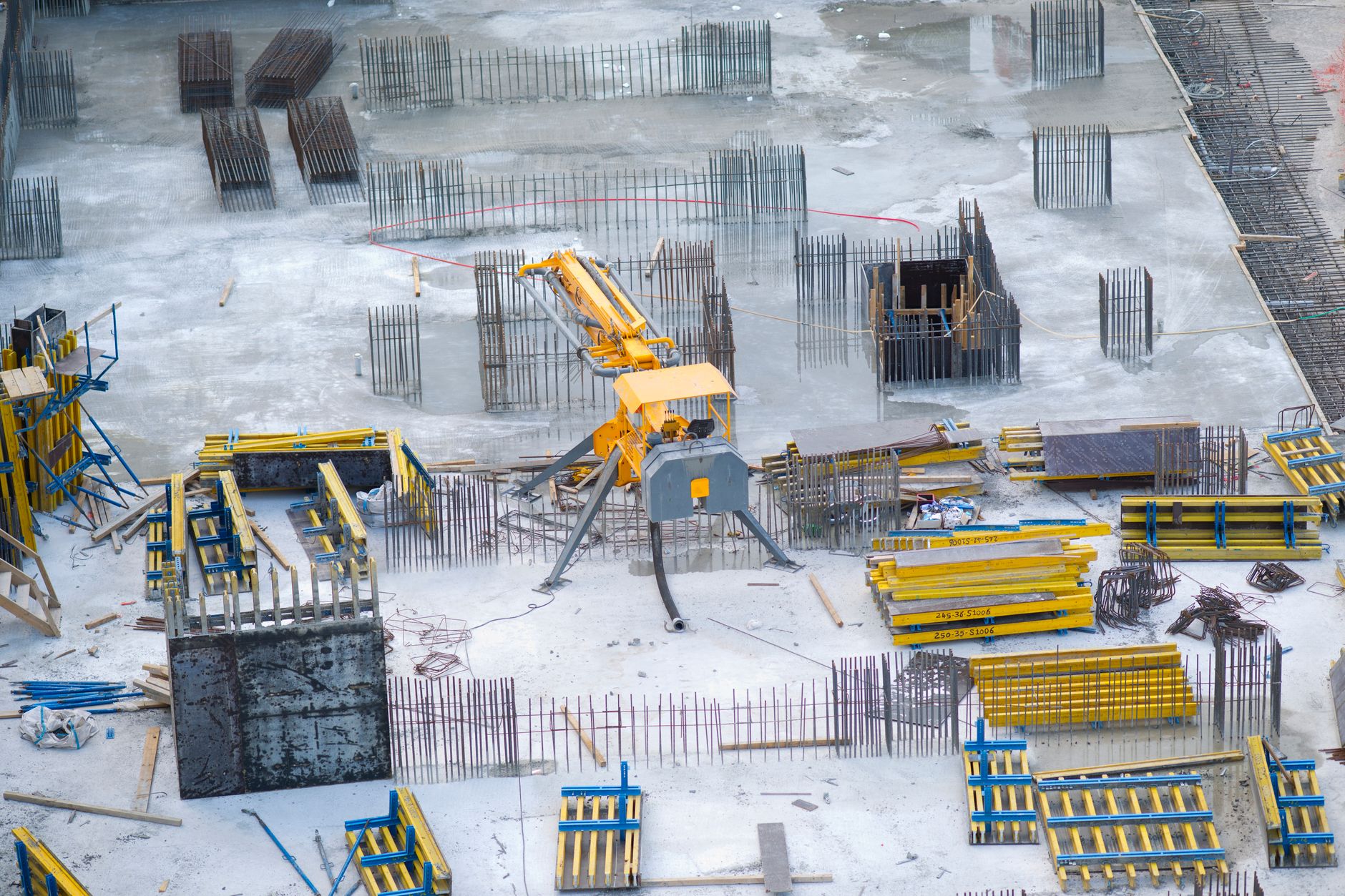
Large projects add to the pressure. Grid upgrades, data center construction, new factories and a long backlog of housing repairs all draw on the same limited supply of electricians, pipefitters and welders. Developers with deep budgets can outbid smaller shops for scarce talent, and that sets a new reference price for everyone else in the local market. A residential contractor who once competed only with other residential contractors now competes with a project that has far more money and a hard deadline. The result is a rising floor, not just a higher ceiling.
The raise also arrives faster. A tradesperson who switches employers can reset pay within weeks, while an office worker often waits for an annual review.
Where Office Pay Loses Ground
On the white-collar side, the supply story runs the other way. Colleges keep graduating large cohorts into fields where employers can sort through huge applicant piles, and remote work lets companies hire from anywhere, which widens that pile further. Without scarcity, there is no premium to pay. Entry-level hiring has also been squeezed as firms test what automation tools can handle, and raises are often tied to annual budgets and headcount freezes that move slowly.
Then there is the starting line. An apprentice is typically paid while learning, with little or no tuition to repay. A graduate may begin earning later and carry debt into the first job. Even when the long-run salary comparison still favors the degree on average, the early-career math, which is the period young people actually weigh when choosing a path, tilts toward the trades more than it once did.
The Limits of the Boom
None of this makes the trades a guaranteed upgrade. The work is physical, and knees, backs and shoulders do not hold up forever, so part of the higher pay is compensation for a shorter working life. Construction is also cyclical. If higher borrowing costs slow housing or commercial building, the overtime that inflates many paychecks can vanish quickly, and shortage wages are the first thing to soften when projects get shelved.
It also matters what is being compared. Averages hide wide spreads, and physicians, lawyers, senior engineers and executives still earn far more than most tradespeople. The claim is narrower: for the broad middle of the labor market, trades pay has been rising faster, and the gap between a degree-required office job and a licensed trade is smaller than the old advice assumed.

The harder question is whether the wage signal can fix the shortage that created it. Higher pay should attract more entrants, but entry is not only a matter of wanting in. In many jurisdictions, licensing rules cap how many apprentices a single journeyman may supervise, so the bottleneck is also how many experienced workers are left to teach them.
Frequently Asked Questions
Why are skilled trades wages rising so quickly?
Employers cannot fill positions fast enough because apprenticeships take years and retirements are outpacing new entrants. Contractors with signed work must raise pay to staff crews.
Are trades workers now earning more than white-collar workers?
In parts of the middle of the labor market, trades pay has been rising faster and early-career earnings can compare well with degree-based jobs. Top professional roles such as physicians and lawyers still earn considerably more.
Can the skilled trades shortage be fixed quickly?
Not easily, because training a licensed tradesperson takes several years. Apprenticeship ratios and the number of experienced workers available to teach also limit how fast new entrants can join.