

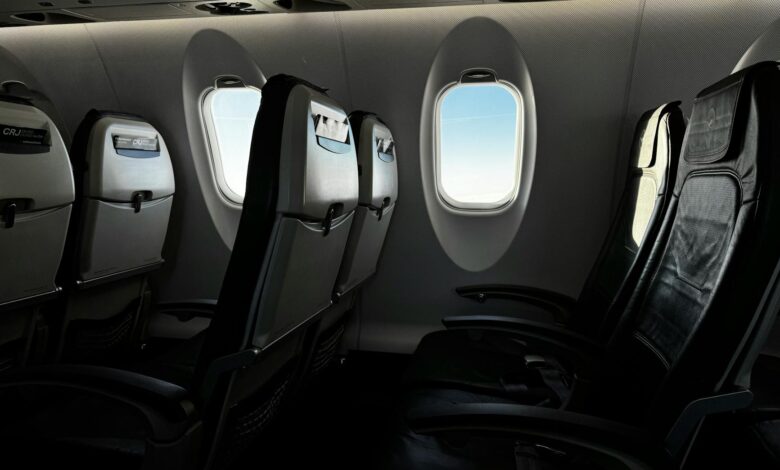
Airlines are reporting an unexpected shift in business travel spending patterns, with companies increasingly opting for premium economy seats over traditional economy bookings for employee travel. The trend represents a middle-ground approach to corporate travel costs, balancing employee comfort with budget constraints that have tightened since 2020.
The move comes as companies recalibrate their travel policies following years of remote work normalcy. Rather than returning to pre-pandemic business class spending or maintaining bare-bones economy restrictions, finance departments are landing on premium economy as a strategic compromise that addresses both employee satisfaction and cost control.
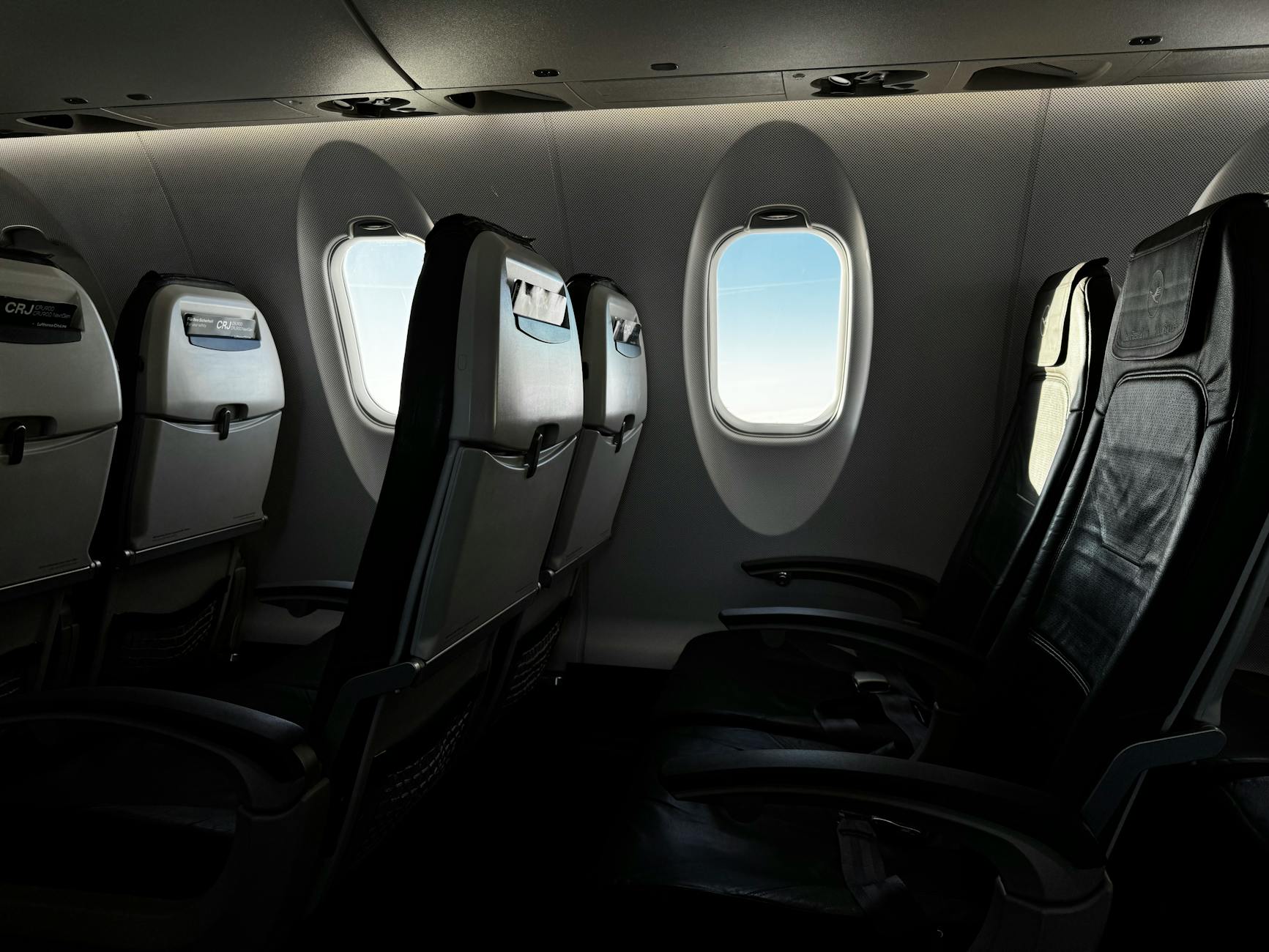
The Economics Behind the Middle Seat
Premium economy tickets typically cost 20-40% more than standard economy but remain substantially cheaper than business class alternatives. For companies sending employees on cross-country or international flights, this pricing structure creates meaningful savings when compared to traditional business travel standards while still providing enhanced comfort features like extra legroom, priority boarding, and improved meal service.
Corporate travel managers are finding the math particularly compelling for flights exceeding six hours. The incremental cost increase becomes easier to justify when weighed against potential productivity losses from uncomfortable employees arriving at important meetings or conferences. The calculation becomes especially relevant for companies with high-frequency business travel requirements where small per-ticket savings multiply across hundreds of annual bookings.
Employee Expectations Drive Policy Changes
The shift toward premium economy reflects changing workforce expectations about business travel comfort. Employees who have grown accustomed to working from home are less willing to accept uncomfortable travel conditions, particularly for longer flights that impact their performance and well-being upon arrival.
Companies are discovering that premium economy serves as a retention tool in competitive job markets. The enhanced travel experience signals that organizations value employee comfort without the excessive costs associated with business class upgrades. This positioning helps companies attract talent while maintaining fiscal responsibility in their travel budgets.
Travel policy adjustments are happening across industries, from consulting firms to technology companies. The changes often include automatic premium economy booking for flights over a certain duration, with some companies setting thresholds at four or six hours depending on their budget parameters and employee seniority levels.
Finance departments are reporting that the premium economy approach actually simplifies budget planning by creating more predictable per-trip costs. Unlike policies that required case-by-case business class approvals or complex upgrade request processes, the premium economy standard creates consistent expense expectations across departments and employee levels.
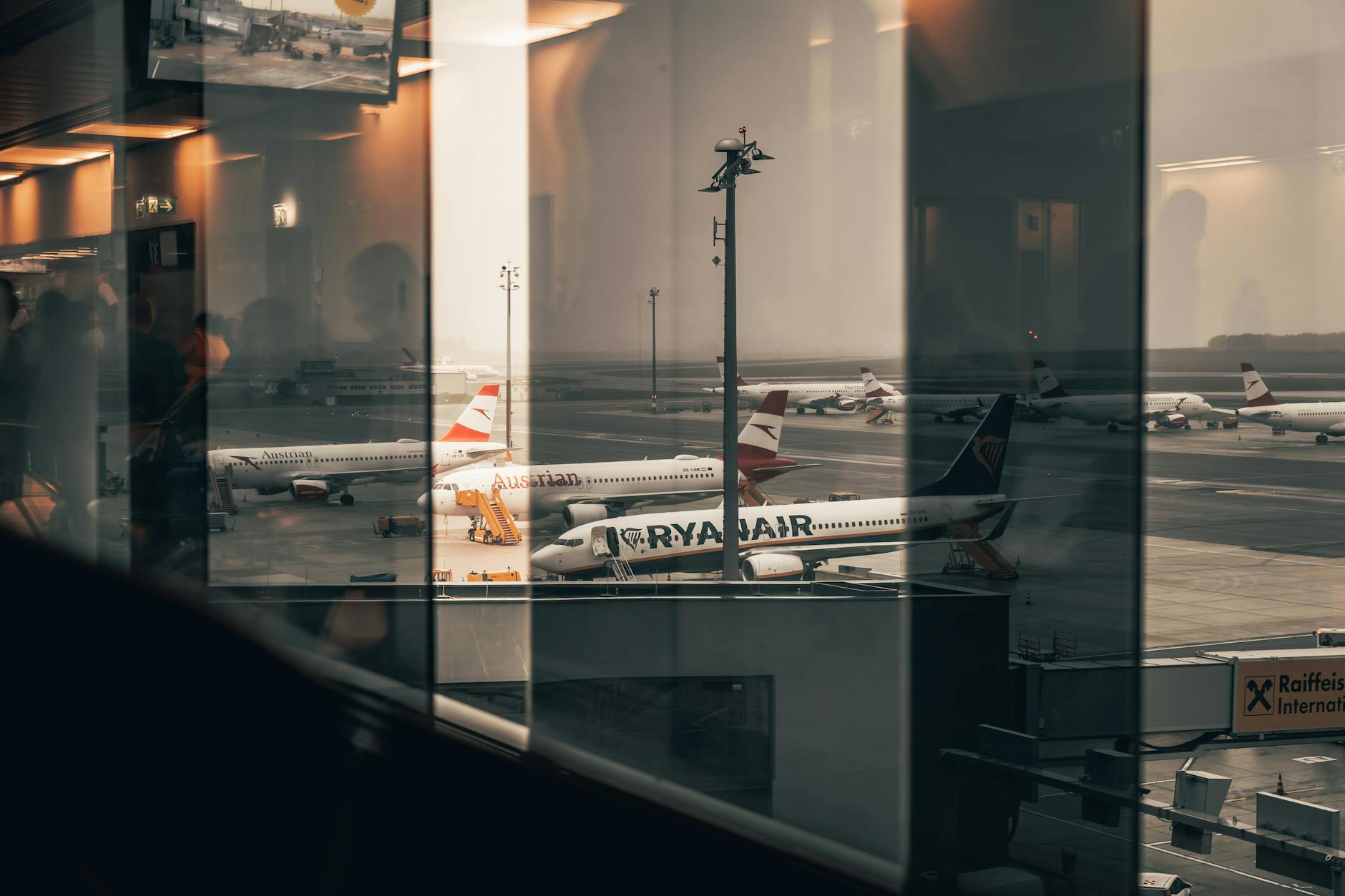
Airlines Respond with Expanded Options
Major carriers have expanded their premium economy offerings in response to increased corporate demand. Airlines are adding premium economy sections to routes where they previously offered only economy and business class options, recognizing the revenue opportunity in the corporate travel segment.
The airline industry is also developing corporate-specific premium economy packages that include additional services like flexible booking policies, priority customer service lines, and streamlined expense reporting integration. These business-focused enhancements make premium economy more attractive to corporate travel managers who need administrative efficiency alongside cost savings.
Budget Reallocation Creates New Spending Patterns
Companies are funding premium economy upgrades through strategic budget reallocations rather than increased overall travel spending. Many organizations are reducing the frequency of business trips while investing more in each remaining trip, including upgraded seating and accommodations that maximize the value of reduced travel volume.
The reallocation approach allows companies to maintain or reduce total travel expenses while improving the quality of necessary business trips. Finance departments are tracking metrics like employee satisfaction scores and post-travel productivity levels to justify the spending shifts and demonstrate return on investment for the upgraded travel experience.

Some organizations are discovering that premium economy policies reduce additional costs like airport lounge access purchases or employee expense reports for comfort-related add-ons during travel. The all-inclusive nature of premium economy amenities simplifies expense tracking while eliminating small ancillary costs that previously complicated travel budgets and reimbursement processes.