

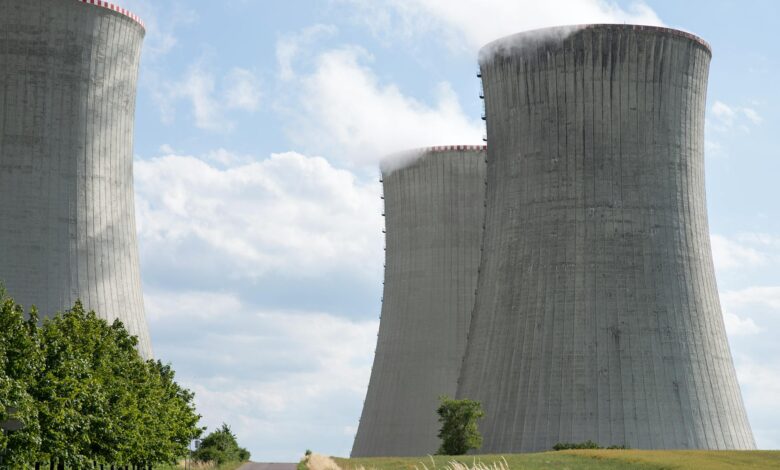
Pension funds across North America have been steadily accumulating positions in nuclear reactor companies, marking a notable shift in institutional investment strategy. While renewable energy stocks dominated sustainable investing headlines over the past decade, these large institutional investors are placing calculated bets on nuclear power’s resurgence.
The buying activity reflects a broader reassessment of nuclear energy’s role in the clean power transition. Pension managers view nuclear companies as offering both climate-aligned investments and potential returns from what they see as an undervalued sector poised for growth.
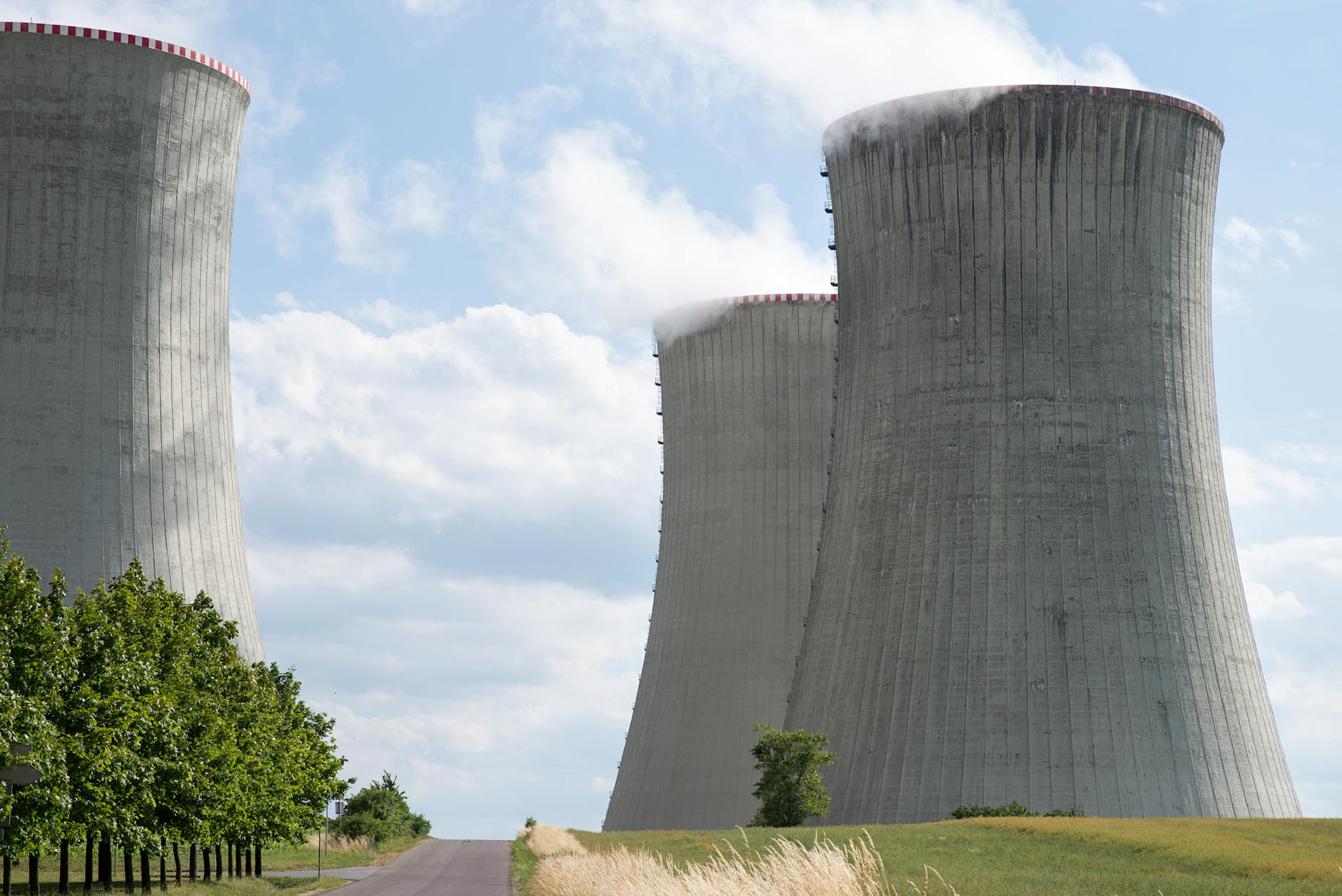
The Nuclear Renaissance Story
Nuclear power generation provides roughly 20% of America’s electricity, yet nuclear stocks have traded at depressed valuations for years. The sector faced headwinds from natural gas competition, regulatory hurdles, and public skepticism following high-profile accidents. This created what institutional investors now view as a compelling entry point.
Several factors are driving renewed interest in nuclear investments. Small modular reactor technology promises lower construction costs and shorter build times compared to traditional plants. Government policies increasingly recognize nuclear power as essential for carbon reduction goals, with recent legislation providing tax credits and funding for nuclear projects.
Pension Fund Strategy Shift
Large pension systems typically allocate capital across decades-long time horizons, making them natural matches for nuclear investments that require patient capital. The sector’s characteristics align with pension fund needs: stable cash flows from existing plants, government backing for new projects, and exposure to growing electricity demand.
California’s pension giant CalPERS has increased its nuclear exposure through both direct stock purchases and private equity investments in nuclear technology companies. The Teachers Retirement System of Texas similarly expanded its nuclear holdings, viewing the sector as offering inflation protection through long-term power purchase agreements.

Canadian pension funds have been particularly active, with the Canada Pension Plan Investment Board taking stakes in both established nuclear utilities and emerging reactor developers. These funds often invest alongside sovereign wealth funds from countries with aggressive nuclear expansion plans.
The investment thesis extends beyond just power generation companies. Pension funds are backing uranium mining operations, nuclear fuel cycle companies, and specialized engineering firms that service the nuclear industry. This broader ecosystem approach hedges against risks in any single segment while capturing the full value chain.
Market Dynamics and Valuations
Nuclear stocks have historically traded at discounts to other utility sectors, creating opportunities for value-oriented institutional investors. Many nuclear utilities offer dividend yields exceeding 4%, appealing to pension funds seeking steady income streams to match their long-term liabilities.
The regulatory environment has become more favorable, with streamlined licensing processes for new reactor designs and extensions for existing plant operations. These developments reduce regulatory risk, a key concern for institutional investors considering nuclear investments.
Challenges and Considerations
Nuclear investments carry unique risks that pension fund managers must carefully evaluate. Construction delays and cost overruns have plagued the industry historically, though newer reactor technologies aim to address these issues through standardized designs and factory construction.
Public acceptance remains variable, with some regions embracing nuclear power while others maintain opposition. This creates geographic disparities in growth prospects, requiring sophisticated analysis of local political and regulatory climates.
The nuclear waste storage question continues to influence long-term investment decisions. While existing plants operate safely with on-site storage, permanent waste solutions remain politically contentious in many jurisdictions, potentially affecting future expansion plans and creating stranded asset risks that pension funds must factor into their decades-long investment horizons.