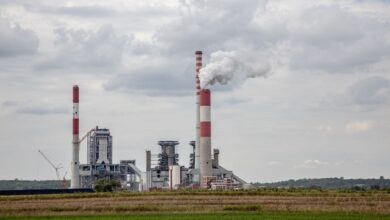
Endowments Quietly Accumulate Positions in Compressed Natural Gas Fueling Leases


The Quiet Infrastructure Play Hiding in Plain Sight
Compressed natural gas fueling infrastructure sits at an odd intersection: too industrial for most retail investors, too niche for generalist fund managers, and just unglamorous enough to stay off the front page. That combination makes it exactly the kind of asset that university endowments have learned to love. Over the past several years, a growing number of large institutional endowment funds have been quietly acquiring long-term lease positions in CNG fueling stations – particularly those serving commercial fleets, municipal bus systems, and freight corridors where diesel alternatives are no longer optional but contractually mandated.
The attraction is not speculative. CNG fueling leases generate income that looks more like a utility contract than an energy bet. The stations themselves are often embedded in government-backed transit infrastructure or locked into multi-year service agreements with fleet operators, creating the kind of duration and predictability that endowment managers require when they are building portfolios designed to fund university operations indefinitely. The investment thesis is not about natural gas prices. It is about the lease.

Why Endowments Are Structured to Win This Trade
Endowments carry a structural advantage in illiquid infrastructure that most investors cannot match. They operate with perpetual time horizons – they are not answering to quarterly redemptions or managing against a benchmark that resets every year. That means they can absorb the illiquidity premium that comes with a 20-year CNG station lease on a municipal transit authority property without the pressure to mark it to market in a bad month. The illiquidity is not a bug. It is the source of the return advantage.
The mechanics of a CNG fueling lease are also relatively straightforward once you strip away the infrastructure jargon. An endowment, often through a real assets sub-fund or an infrastructure GP, acquires the rights to operate or receive revenue from a fueling station installed on land it does not own. The underlying land might belong to a port authority, a municipal transit agency, or a private logistics operator. The lease conveys the right to collect throughput fees – essentially a toll on every gallon-equivalent of gas dispensed – for a fixed term, often with escalation clauses tied to inflation or CPI indexes. That structure means income rises with inflation without requiring any renegotiation.
This is also where the comparison to other institutional infrastructure plays becomes relevant. Sovereign wealth funds have pursued similar logic in airport fuel hydrant lease positions, where the underlying asset is the right to move fuel through fixed infrastructure rather than ownership of the fuel itself. CNG fueling leases work on a parallel principle: the value is in the pipe and the contract, not the commodity.
Fleet Electrification Is Helping, Not Hurting
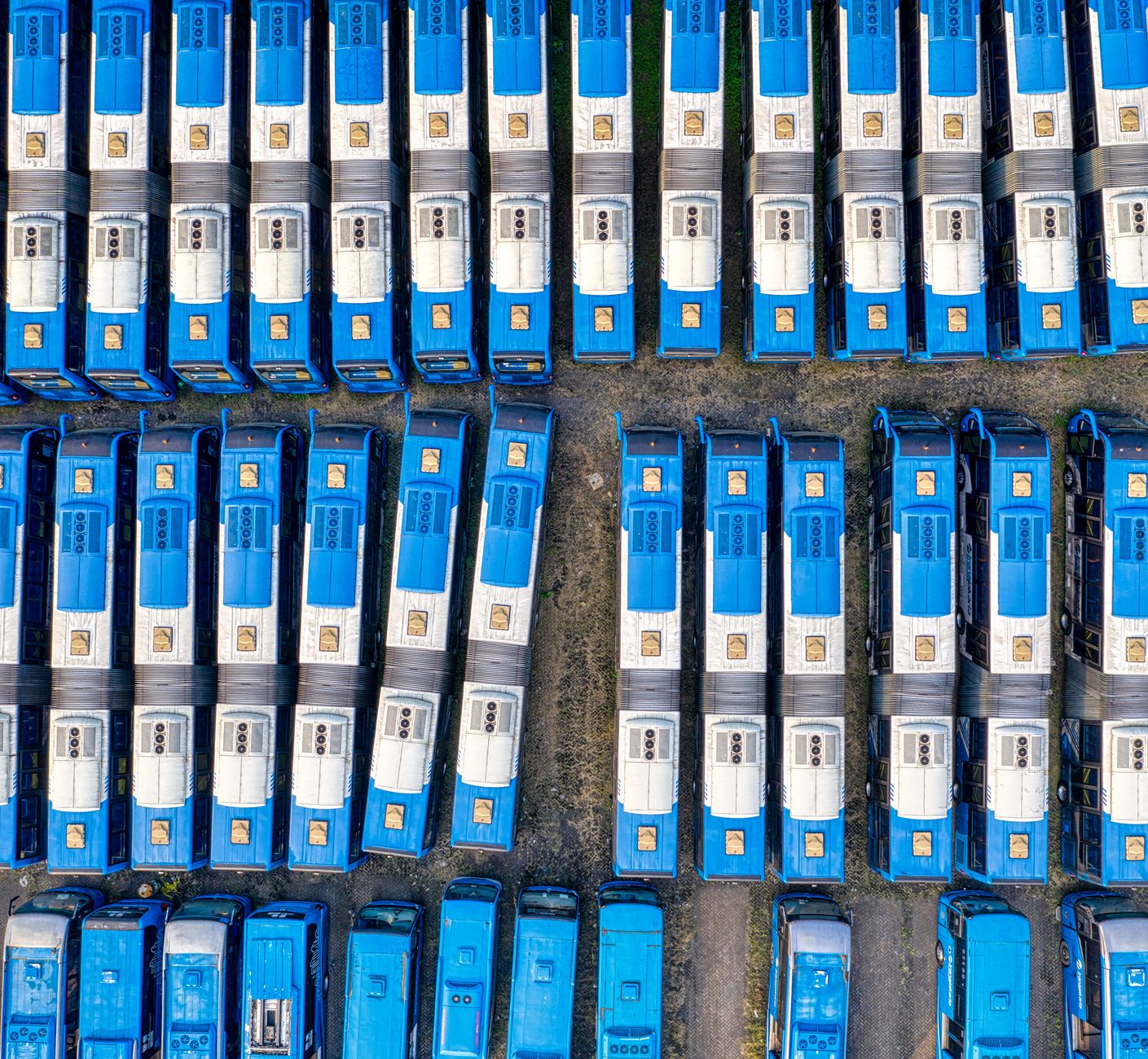
There is a surface-level objection that comes up every time CNG infrastructure is pitched to institutional allocators: won’t electric vehicles make this obsolete? The short answer is that heavy commercial fleets are not switching to battery electric on any timeline that threatens a 15-to-20-year lease written today. Long-haul trucking, refuse collection vehicles, regional transit buses, and port drayage equipment face range, payload, and charging infrastructure constraints that CNG continues to solve more cost-effectively in most operating environments. Several major transit agencies have extended or newly signed CNG supply contracts in recent years specifically because battery-electric retrofits of full fleets remain years away from practical deployment at scale.
The cleaner argument for CNG leases is that they are bridge infrastructure, and bridges get used hardest while the new crossing is still being built. Endowments writing 20-year leases today are not betting that CNG dominates in 2044. They are betting that throughput remains high enough through the next decade to generate returns that justify the investment, and that residual value from the physical station infrastructure provides a floor even in a declining-use scenario.
The Deal Structures Endowments Are Actually Using
Most endowments are not acquiring CNG leases directly. The typical access point is through a real assets or infrastructure fund managed by a specialist GP – a general partner that packages a portfolio of fueling leases, handles operations, manages regulatory compliance, and distributes income to limited partners. The endowment writes a check into the fund and receives quarterly distributions tied to throughput revenue. The GP earns a management fee and carried interest. The endowment gets exposure without needing a team of people who understand compressor station maintenance.
Some larger endowments with internal infrastructure teams are going one step further and negotiating co-investment rights alongside the GP’s main fund. That structure allows the endowment to deploy additional capital into specific station clusters – say, a group of fueling locations along a dedicated freight corridor – at lower fees than the fund structure. Co-investments are becoming the preferred tool for endowments that want to build meaningful positions in a specific infrastructure theme without the drag of layered fees on every dollar deployed.
Lease terms vary significantly depending on the counterparty. Municipal transit authority leases tend to carry lower yields but stronger credit backing – a city transit agency is unlikely to default on a fuel supply agreement mid-contract. Private fleet operators offer higher throughput potential but introduce counterparty risk that requires more careful underwriting. The most attractive leases combine a creditworthy anchor tenant – often a government entity – with the ability to sell excess capacity to secondary users, creating a blend of stable base revenue and variable upside.
Regulatory positioning matters more than most allocators initially appreciate. CNG infrastructure sits within a web of environmental permitting, state clean air incentive programs, and in some cases federal alternative fuel vehicle credits that can meaningfully affect net returns. States with active clean transportation mandates – California being the most active – have structured programs that effectively subsidize CNG throughput at qualifying stations. An endowment holding lease rights on a station inside one of those program areas benefits from a regulatory tailwind that has nothing to do with the price of natural gas and everything to do with how state governments are managing fleet emissions policy.

The lease structures most in demand right now are those attached to refuse and waste management fleet depots, where municipal contracts lock in fuel volumes years in advance. A city sanitation department that has committed its truck fleet to CNG is not switching fuels mid-contract. That kind of captive volume, with a government credit behind it, is close to the ideal lease profile – and endowment managers know it. The remaining question is how much of this market gets repriced once more institutional capital spots the same opportunity and compresses the yields that made these positions attractive in the first place.
Frequently Asked Questions
Why are endowments investing in compressed natural gas fueling leases?
CNG fueling leases offer long-duration, inflation-linked income streams backed by government or fleet operator contracts, making them well-suited to endowments’ perpetual time horizons.
Does the rise of electric vehicles threaten CNG fueling lease investments?
Heavy commercial fleets face practical barriers to electrification that keep CNG demand strong for the duration of most current leases, making near-term obsolescence unlikely.