
Sovereign wealth funds from the Gulf states, Norway, and Singapore have been quietly building positions in a niche corner of infrastructure finance that most retail investors have never heard of: toll bridge easements. These are not the bridges themselves, but the legal rights governing who collects revenue from them – and for how long.
Why Toll Bridge Easements Are Attracting State Capital
An easement, in infrastructure terms, is a contractual right granted by a government or property owner that allows another party to use or profit from a specific asset. In the case of toll bridges, easement holders can receive a portion of toll revenue, gain priority access to future lease renewals, or hold rights that must be bought out before any redevelopment or refinancing can proceed. These rights sit in a legally protected layer beneath standard equity ownership, which makes them unusually resistant to dilution or market volatility.
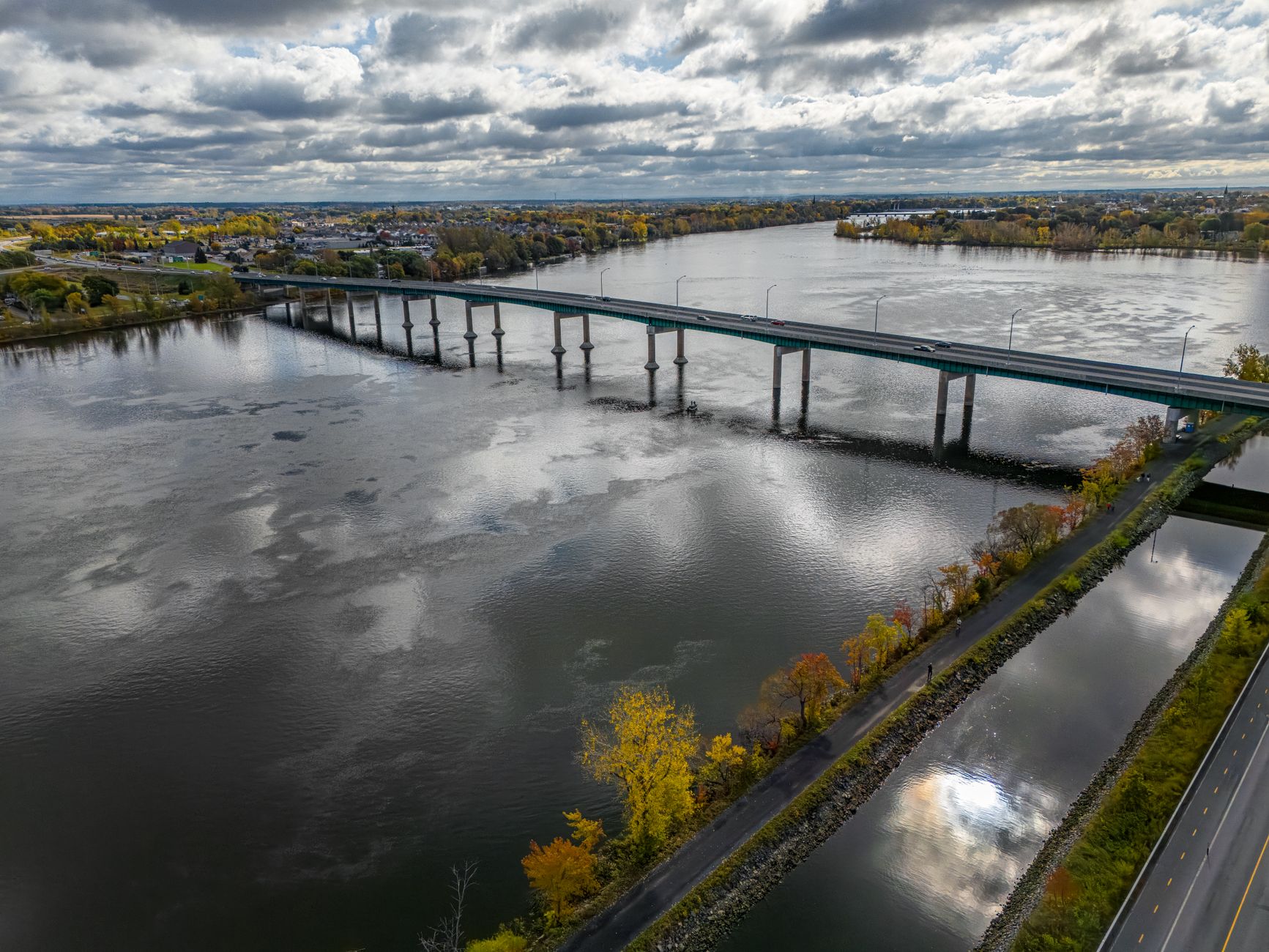
Sovereign wealth funds are drawn to this structure for a specific reason: duration. A toll bridge easement tied to a major crossing – say, a river crossing connecting two high-density metro areas – can carry contractual terms of 30 to 99 years. That matches almost perfectly with the liability timelines that sovereign funds managing national pension obligations or oil revenue reserves need to hedge against. The cash flows are not spectacular, but they are consistent, legally enforceable, and indexed in many cases to inflation or traffic volume growth.
Several Gulf-based sovereign vehicles have reportedly been building these positions through intermediary infrastructure funds based in Luxembourg and Dublin, which provides a layer of structural privacy. Direct ownership filings are often not required at the easement level, meaning these stakes do not appear in standard securities disclosures. A growing number of infrastructure attorneys working in public-private partnership law have noticed the uptick in easement-specific due diligence requests from state-linked foreign capital, though the full scope of these accumulations is difficult to verify from public records alone.
This is not a strategy invented by sovereign funds. Private infrastructure managers have held easement positions for decades, particularly in the United States and United Kingdom, where public-private bridge financing has a long history. What has changed is the scale of state capital now entering this space – and the deliberate, patient way these acquisitions are being structured to avoid public disclosure thresholds.
The Mechanics of a Toll Easement Position
To understand why these positions are attractive, it helps to understand what a sovereign fund actually owns when it holds a toll bridge easement stake. In most cases, the fund does not operate the bridge, does not bear maintenance costs, and has no direct relationship with the commuters crossing it. Instead, it holds a contractual claim on a revenue stream – typically a fixed percentage of gross toll collections – that the bridge’s operating concession is legally obligated to pay before distributing profits to equity holders.
This subordination structure is what separates easement revenue from traditional infrastructure equity. Equity holders absorb the risk of cost overruns, regulatory changes, and traffic underperformance. Easement holders, in many contract structures, receive their payments regardless – as long as the bridge is collecting any revenue at all. The risk profile is closer to a senior secured bond than to equity, but the potential upside from traffic growth gives it a return profile that bonds cannot match.
There is also a scarcity dynamic at work. New bridge crossings in established urban corridors are almost never built from scratch. Environmental permitting, land acquisition costs, and community opposition make greenfield bridge construction in dense areas close to impossible. That means existing crossings – and the easements attached to them – are not replicable assets. A fund that holds an easement on a bridge connecting two boroughs of a major city holds something that cannot be replicated, only bought from whoever currently owns it.

This scarcity argument is the same logic that has driven sovereign capital into LNG terminal easements, where fixed infrastructure at strategic geographic chokepoints creates similar moat-like characteristics. The easement layer, in both cases, insulates the holder from the operational complexity of running the asset while preserving exposure to the revenue upside.
The legal complexity of these deals is also a feature, not a bug, from the perspective of large sovereign vehicles. A smaller fund or retail-accessible investment vehicle cannot easily underwrite the jurisdictional nuances of easement law across different U.S. states, Canadian provinces, or European member states. Sovereign funds with large internal legal teams and long investment horizons have a genuine structural advantage in navigating this complexity – which reduces competition and, by extension, keeps entry prices reasonable relative to the underlying cash flow quality.
What This Means for Infrastructure Finance More Broadly
The accumulation of easement positions by sovereign capital is beginning to change how infrastructure developers price deals at the origination stage. When a new concession is structured for a toll crossing, the easement rights – which were previously treated as boilerplate legal protections for the host government – are increasingly being carved out as separate monetizable instruments. Developers have discovered that selling easement rights at deal close to a sovereign vehicle provides immediate capital that reduces the equity required from the sponsor, improving returns for everyone in the capital stack above the easement layer.

That efficiency is real, but it introduces a long-term question about who actually controls critical transportation infrastructure when easement rights transfer to foreign state capital. Most easement structures do not carry voting rights or operational authority, so the sovereignty concern is different from outright ownership – but regulators in the United States, United Kingdom, and Australia have started paying closer attention to the cumulative picture. A single easement held by a Gulf sovereign fund raises no alarms. A portfolio of easements across 40 major urban crossings held through a chain of Luxembourg-registered special purpose vehicles is a different conversation, and one that infrastructure regulators have not yet developed a clear framework for evaluating.