Endowments Quietly Accumulate Positions in Urea Terminal Throughput Agreements

The Quiet Accumulation
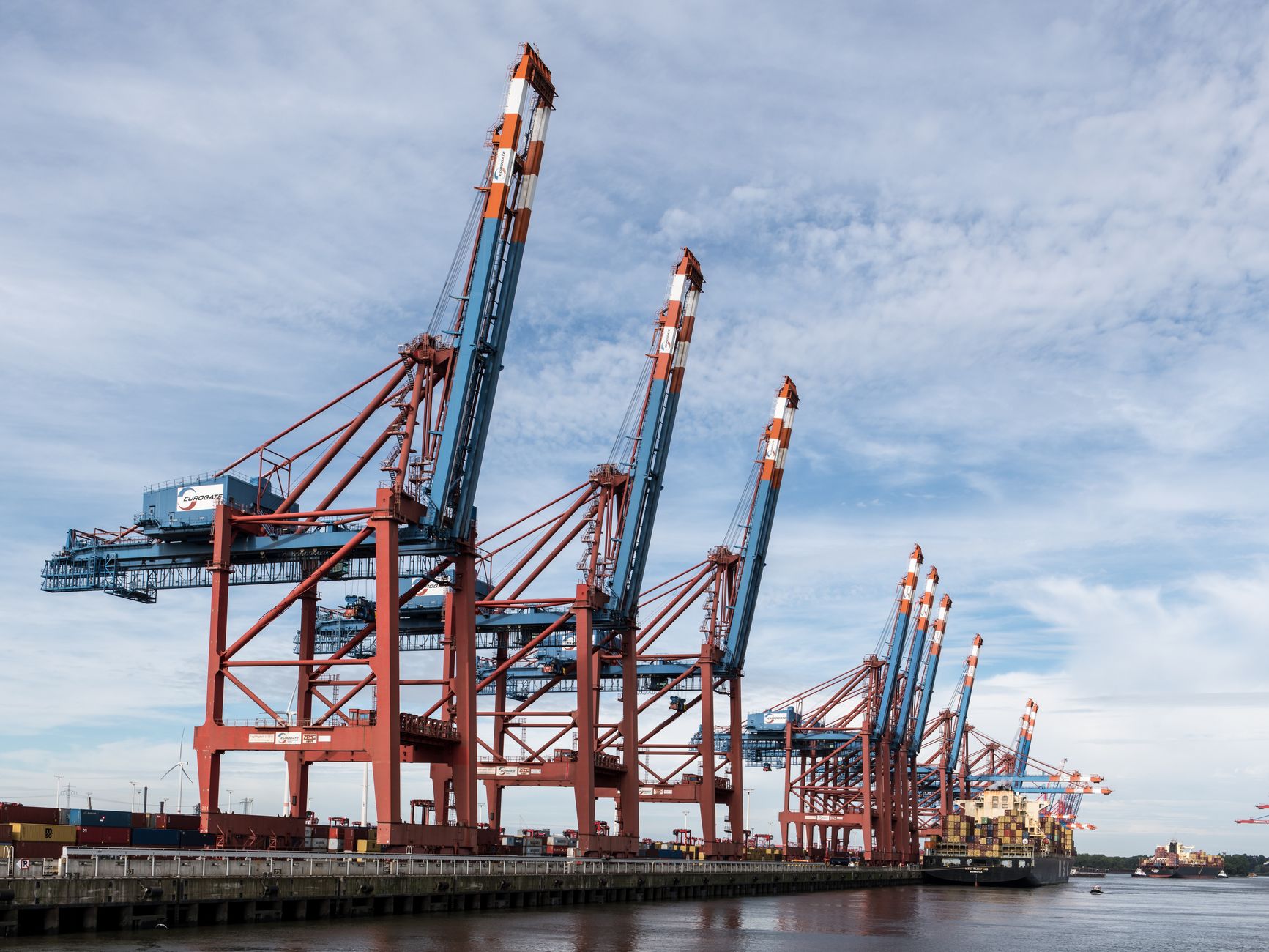
University endowments and foundation investment offices have been quietly building exposure to urea terminal throughput agreements – long-term contracts that grant holders guaranteed access to bulk fertilizer handling capacity at port and inland terminals. These are not equity plays or commodity bets in the traditional sense. They are infrastructure-adjacent positions that generate fee income tied to physical throughput volume, and they are drawing serious capital from institutions that typically move slowly and without fanfare.
The appeal is structural. Urea, the world’s most widely traded nitrogen fertilizer, flows through a relatively small number of terminal facilities that sit at the intersection of global agricultural supply chains and domestic distribution networks. A throughput agreement essentially secures a portion of that capacity at a negotiated rate, often with minimum volume commitments and escalation clauses tied to inflation indices. For an endowment managing a 30-year liability horizon, that kind of arrangement looks less like a commodity contract and more like a toll road.
Why Endowments Are Looking at Fertilizer Infrastructure
The shift toward real asset exposure has been building across institutional portfolios for years, but fertilizer terminal infrastructure has only recently entered the conversation at meaningful scale. Part of the reason is accessibility – these agreements were historically structured for agricultural trading companies and fertilizer producers who needed guaranteed handling capacity. The secondary market for such positions was thin, and the legal complexity of assignment clauses made entry difficult for third-party investors.
That access problem has been reduced, though not eliminated, by a growing number of infrastructure-focused fund managers who have structured pooled vehicles around throughput agreement portfolios. These funds aggregate positions across multiple terminals, commodities, and geographies, then offer institutional investors limited partnership stakes with return profiles designed to mimic direct ownership without requiring the legal overhead. Endowments with allocations in the range of $50 million to $500 million in real assets have found these vehicles appropriately sized for their needs.
The fee income generated by throughput agreements is not glamorous, but it is durable. Terminal operators collect a per-metric-ton handling fee as product moves through the facility, and agreement holders receive a contractual share of that revenue stream or, in some structures, the right to resell the capacity at market rates when demand spikes. During periods of fertilizer price volatility – which have become more frequent given supply chain disruptions and geopolitical pressures on natural gas feedstock – that optionality carries real value. An endowment sitting on throughput capacity during a supply crunch is in a very different position than one holding fertilizer company equity.
The connection to food security as a thematic investment narrative has also made these positions easier to justify at the board level. Endowments attached to agricultural universities, land-grant institutions, and foundations with rural development mandates have found urea terminal exposure philosophically coherent with their broader missions, which simplifies the governance conversation considerably.
The Structure of a Throughput Agreement
Understanding why these contracts attract institutional capital requires understanding what they actually contain. A urea terminal throughput agreement is a binding contract between an agreement holder and a terminal operator, typically running five to fifteen years, that grants the holder the right to move a specified volume of urea through the terminal’s handling infrastructure – receiving, storage, and loading equipment – in exchange for a committed fee schedule. The holder does not own the terminal or the urea. They own the access.
Most agreements include a “ship-or-pay” provision, which means the holder pays for minimum capacity whether they use it or not. For a trading company, this is a hedge against being locked out during peak demand. For an endowment investing through a fund, it represents the floor on which return projections are built. The ship-or-pay structure is what converts a potentially lumpy commodity-linked revenue stream into something closer to a contracted cash flow – and that distinction matters enormously when modeling against actuarial liabilities or spending rate requirements. This same structural logic applies to similar positions, such as endowment positions in butane storage cavern leases, where minimum commitment clauses similarly anchor the income profile.
Risk Factors That Don’t Show Up in the Pitch Deck
The throughput agreement strategy is not without genuine risk, and the endowments pursuing it are not doing so naively. Terminal concentration risk is real – a portfolio of agreements becomes significantly less attractive if it is overweight at a single facility or port complex, particularly given the physical risks that come with coastal infrastructure. Hurricanes, flooding, and regulatory challenges around environmental permitting have disrupted terminal operations in ways that contractual language does not fully protect against.
Counterparty quality is the other variable that demands attention. A throughput agreement is only as reliable as the terminal operator standing behind it. Operators facing financial stress have, in some cases, sought to renegotiate or exit agreements when market conditions shifted against them. Endowment investors relying on pooled vehicle managers to perform ongoing counterparty due diligence are effectively outsourcing a judgment that can materially affect returns.

There is also a longer-term structural question around urea demand itself. The fertilizer is synthesized from natural gas via the Haber-Bosch process, and the volume of urea in global agricultural trade is, over a multi-decade horizon, sensitive to shifts in farming practices, precision agriculture technology, and any eventual transition toward biologically-fixed nitrogen alternatives. An endowment locking into a twelve-year throughput agreement is implicitly making a bet that urea trade volumes through that terminal will remain commercially relevant for the duration – a reasonable bet today, but not a trivial one.
The endowments that appear most comfortable with these positions are those treating them as a modest slice of a broader real assets sleeve, not as a standalone agricultural infrastructure strategy. When a $3 billion endowment places $40 million into a throughput agreement fund alongside positions in logistics real estate, infrastructure debt, and agricultural land, the urea exposure becomes one diversifying cash flow among many. Whether the terms being agreed to today – with fee rates and escalation structures negotiated in a period of elevated fertilizer prices – will look as attractive in year eight of a fifteen-year agreement is the question that will determine which institutions made the smarter entry.