
The Quiet Land Grab Beneath America’s Gas Fields
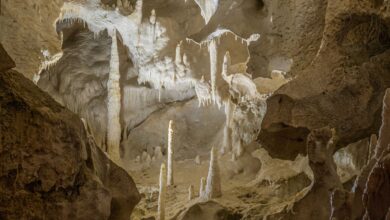
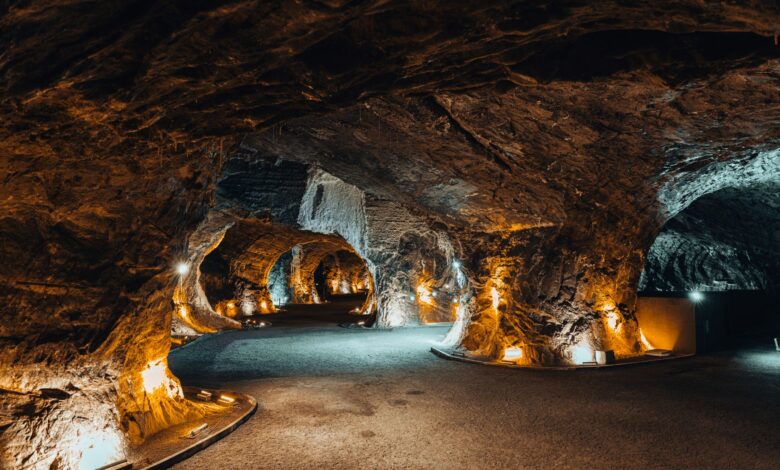
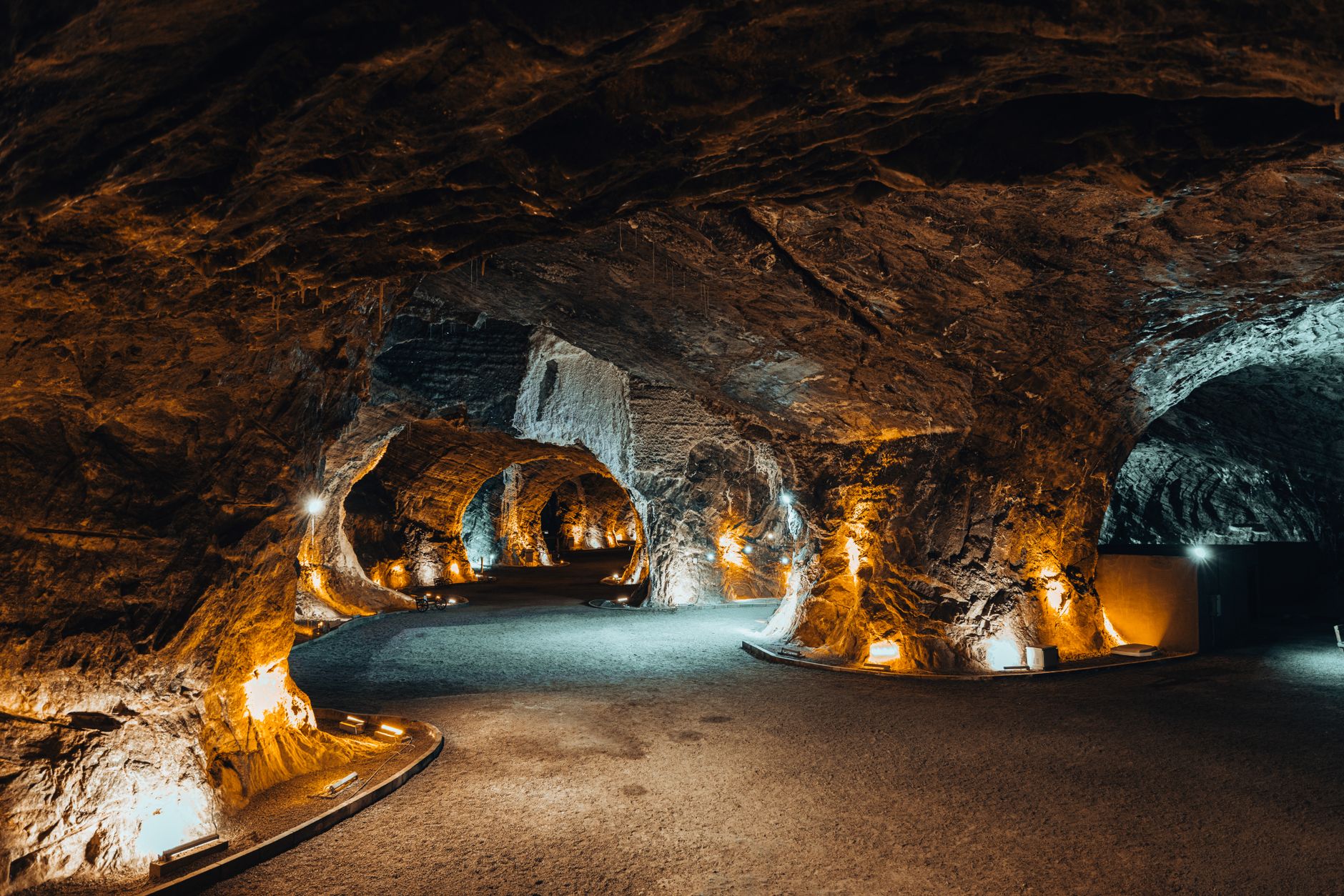
Natural gas storage caverns are not glamorous assets. Carved into salt domes and depleted reservoirs thousands of feet underground, they sit invisible beneath farmland and industrial corridors, quietly holding billions of cubic feet of gas that utilities and pipeline operators draw on when demand spikes. For most of financial history, these facilities were owned by regulated utilities or major energy companies with no interest in selling the underlying real estate. That is changing, and hedge funds are paying close attention.
A growing number of alternative investment managers are quietly acquiring long-term lease positions on natural gas storage cavern sites – not the gas itself, not the pipeline infrastructure, but the subsurface rights and surface access agreements that give whoever holds them a durable toll-road position in the energy supply chain. The strategy is obscure, operationally complex, and exactly the kind of niche that sophisticated capital gravitates toward when mainstream commodity trades get crowded.
Why Storage Caverns Became a Financial Asset
The core logic is straightforward. Natural gas prices are volatile, but the need to store gas is not. Every utility serving residential customers in cold-weather states, every industrial buyer with fluctuating demand, every LNG export terminal managing feedstock logistics – all of them require access to storage capacity. When winter comes early or a heat wave extends into September, that capacity becomes the most valuable real estate in the energy market. The operators who control it collect fees regardless of whether gas prices are rising or falling.
What makes cavern leases specifically attractive, rather than surface tank farms or conventional reservoir storage, is scarcity. Salt cavern storage can be charged and withdrawn far faster than conventional depleted-field storage, making it ideal for peak shaving and emergency response. And you cannot build a salt cavern wherever you like – geology dictates location. The Gulf Coast salt dome formations, the Appalachian basin, and certain Permian Basin structures each offer limited viable sites, and those sites are already largely identified. Acquiring a lease position on one is not like buying a plot of land where you could theoretically build a competing warehouse next door.
How the Trade Is Structured
Hedge funds entering this space are not typically operating the caverns themselves. The more common structure involves acquiring lease royalty rights from landowners who hold surface and subsurface agreements with existing operators, or purchasing minority working interests in development-stage cavern projects from smaller energy companies that need capital to complete permitting and construction. Some funds are also acquiring positions in the lease agreements of cavern operators who are restructuring debt or divesting non-core holdings through bankruptcy proceedings.
The appeal from a portfolio construction standpoint is the duration and predictability of cash flows. A salt cavern storage lease typically runs for decades, often with renewal options, and the fees tied to storage capacity are largely contracted rather than spot-market dependent. That looks very different from a directional gas trade or a futures position. It behaves more like infrastructure – a category that institutional allocators have been increasing exposure to for years.
The risk profile, however, is not simple. Subsurface rights law varies dramatically by state, and cavern development sits at the intersection of mineral rights law, environmental permitting, and pipeline regulation. A fund that acquires a lease position in a jurisdiction where subsurface ownership is disputed, or where state regulators have tightened injection and withdrawal permits, can find itself holding an asset that cannot operate at the capacity originally underwritten. Legal due diligence on these deals is expensive and slow, which is part of why the opportunity has stayed niche.
There is also the question of counterparty quality. The value of a cavern lease position depends heavily on who is operating the facility and who has contracted for the storage capacity. A long-term lease with a creditworthy utility anchor tenant is a fundamentally different asset than one dependent on a small regional marketer or a recently formed trading entity. Funds that have done well in this space tend to have deep underwriting relationships with energy lawyers and geological engineers, not just financial analysts.
The Policy Tailwind Behind the Trade
Federal energy policy has been a quiet driver of this interest. After the 2021 winter storm that caused catastrophic grid failures across Texas and neighboring states, regulators at both the state and federal level began pushing utilities and pipeline operators to demonstrate adequate storage reserves. That pressure did not translate into new cavern construction overnight – permitting alone can take years – but it did raise the perceived value of existing permitted capacity, and by extension, the lease positions tied to it.
The push to expand LNG export capacity along the Gulf Coast has also increased demand for storage flexibility. Export terminals need reliable feedstock buffers to manage ship loading schedules against pipeline pressure fluctuations. Cavern storage near existing export infrastructure commands a geographic premium, and funds that established positions in those corridors before export capacity came online are now looking at assets that have appreciated considerably on paper. This dynamic is not unlike what sovereign wealth funds have pursued in hard-commodity royalty streams, where long-duration physical asset positions generate returns that financial instruments cannot replicate.

Who Is Actually Moving Here
The funds most active in this space are not the large multi-strategy platforms that dominate financial headlines. The positions are being built primarily by mid-sized energy-focused funds, some with roots in distressed commodity investing from the 2015-2016 oil price collapse, and a subset of infrastructure-oriented hedge funds that sit at the border between private equity and liquid alternatives. Family office capital has also shown up as a co-investor in several of the larger lease acquisition packages, drawn by the same duration and cash flow characteristics that make the trade interesting to institutional managers.
What keeps this from becoming a crowded trade quickly is the transaction structure. Unlike buying shares in a publicly traded pipeline company, acquiring a cavern lease position requires negotiating directly with landowners, navigating state property records, coordinating with existing operators, and often working through intermediary energy law firms that specialize in subsurface rights. There is no exchange, no ticker, no index. The deals are private, the information is fragmented, and the expertise required to underwrite them correctly is rare enough that even well-capitalized funds have passed on opportunities because they lacked the in-house geological and legal capability to get comfortable.
The funds that do have that capability are not advertising it. In a market where the barrier to entry is expertise rather than capital, broadcasting your thesis is counterproductive. The positions being built now are largely invisible until a fund files a regulatory disclosure, closes a development project, or surfaces in a partnership agreement attached to a pipeline company’s annual report. By the time most investors notice the trade, the best lease positions may already be gone.
Frequently Asked Questions
Why are hedge funds buying natural gas storage cavern leases instead of gas futures?
Cavern leases generate fee-based, contracted cash flows that behave like infrastructure rather than commodity positions, offering duration and stability that futures cannot replicate.
What makes salt cavern storage different from other natural gas storage types?
Salt caverns can inject and withdraw gas far faster than depleted-field storage, making them more valuable for peak demand response and emergency supply, and their geological scarcity limits new competition.