
University Endowments Find a New Underground Asset Class
A quiet reallocation is underway inside some of the country’s largest university endowments and private foundations. The target: underground helium storage caverns, specifically the long-term leases that govern access to them. It is an obscure corner of real assets investing, but the logic driving the interest is straightforward enough that more institutional capital is following.
Why Helium Storage, and Why Now
Helium is not oil. It does not reprice daily on a global exchange, and it does not generate the kind of headline volatility that attracts retail speculation. What it does generate is consistent, non-negotiable demand from semiconductor fabs, MRI scanner manufacturers, aerospace contractors, and fiber optic cable producers. That demand profile – largely inelastic and largely invisible to generalist investors – is precisely what endowment managers running 20- and 30-year liability schedules find attractive.
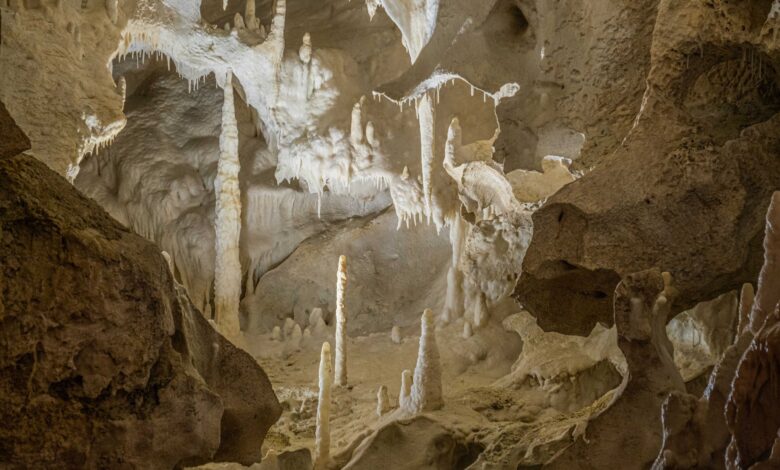
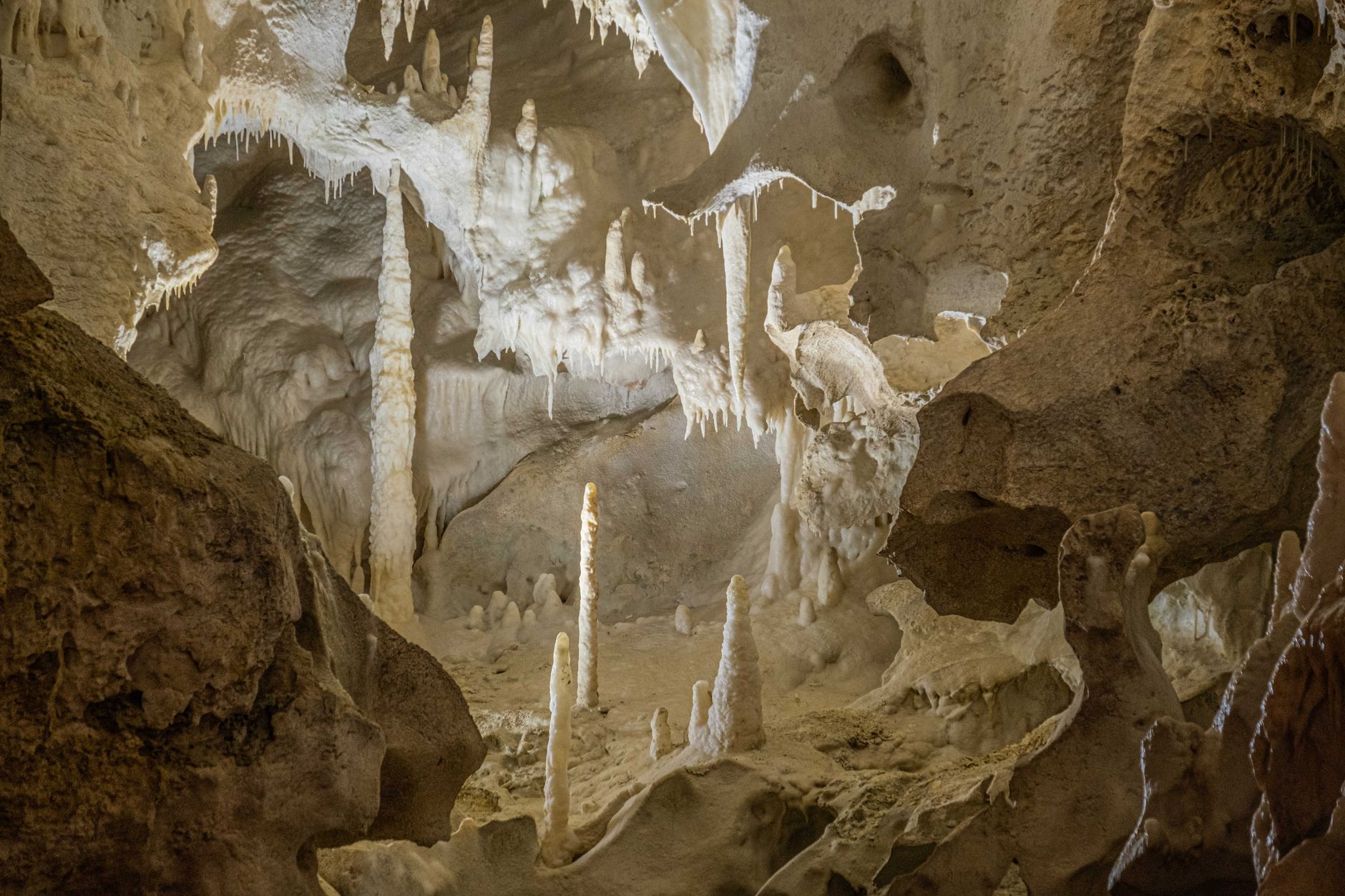
The storage piece matters for a specific structural reason. Helium is extracted as a byproduct of natural gas production, which means its supply is tied to decisions made in the natural gas market, not in the helium market. When natural gas production slows, helium supply shrinks whether demand falls or not. Underground cavern storage, typically in salt dome formations, allows buyers to bank supply during periods of natural gas abundance and draw it down when production contracts. Whoever controls the lease on that storage real estate sits in a privileged position between supply volatility and demand stability.
The lease structures themselves function somewhat like toll roads. The cavern operator charges for injection, storage, and withdrawal, often under multi-year contracts with creditworthy industrial gas counterparties. The underlying geology does not depreciate. The lease does not require significant ongoing capital expenditure once the cavern has been commissioned. For an endowment accustomed to allocating toward timberland or infrastructure, the cash flow profile is familiar: predictable, long-duration, and largely uncorrelated to public equity markets.
Several salt dome formations in the Gulf Coast region have historically served as the primary domestic helium storage hubs, with the federal government itself having managed strategic reserves through the Bureau of Land Management’s Cliffside facility in Texas for decades. That federal infrastructure has been wound down through a congressionally mandated privatization process, pushing more storage activity into private hands – and opening the door for institutional investors to participate in ways that simply did not exist before.

How Endowments Are Structuring the Exposure
Direct lease ownership is one route, but most endowments are accessing the space through private fund structures that aggregate multiple storage assets, spreading geological and counterparty risk across a portfolio of caverns and contracts. A fund holding five or six leases across different facilities, with contracts staggered in duration and diversified across end-users, looks considerably less exotic to an investment committee than a single-asset position tied to one salt dome in one state.
Some managers are pairing the storage lease income with royalty-style participation in the helium volumes that flow through the facilities. This creates a two-layer return: the base lease payment that arrives regardless of volume, plus a variable component tied to throughput. That throughput variable has been trending upward as industrial gas companies rebuild stockpiles following a period of supply disruption. The combination makes the blended yield profile more competitive against other real asset alternatives.
Endowments are also drawn to the inflation linkage. Many lease agreements include CPI escalators or are indexed to industrial gas pricing benchmarks, which means the nominal income stream adjusts upward in inflationary environments. For a university endowment trying to protect purchasing power against rising operational costs – faculty salaries, construction, energy – an asset that inflates alongside those same pressures is genuinely useful, not merely a theoretical hedge.
The illiquidity is real, and endowment managers acknowledge it directly. Lease positions cannot be quickly exited. Secondary market activity in this niche is thin, and pricing on any forced sale would likely reflect a meaningful discount. Endowments, with their perpetual time horizons and stable, predictable capital calls from donor contributions, can absorb that illiquidity in a way that pension funds with near-term benefit payment obligations simply cannot. This is a distinction that matters. Pension funds pursuing royalty stream strategies in other commodity spaces face similar liquidity trade-offs, though with less flexibility to hold through a full cycle.
Environmental due diligence has emerged as an unexpected checkpoint in the allocation process. Salt cavern storage is considered low-impact compared to surface industrial facilities, but endowments under pressure from student activists and alumni donors to demonstrate ESG alignment have needed to articulate why a fossil-fuel-adjacent asset fits their mandate. The standard answer – that helium is a critical input for clean energy technology, semiconductor manufacturing, and medical infrastructure – has generally satisfied investment committees, though the conversation is not always brief.
What Makes This Moment Specific
The federal wind-down of strategic helium reserves created a one-time structural opportunity that pulled private capital into a space where it had no previous reason to exist. That window is not permanently open. As more institutional managers recognize the asset class and competition for available leases increases, entry pricing will adjust. The endowments moving now are doing so partly because they can underwrite the complexity before the trade becomes crowded, and partly because their sourcing networks – built through decades of private equity and real asset relationships – give them access to deal flow that a smaller foundation or a family office would struggle to replicate.
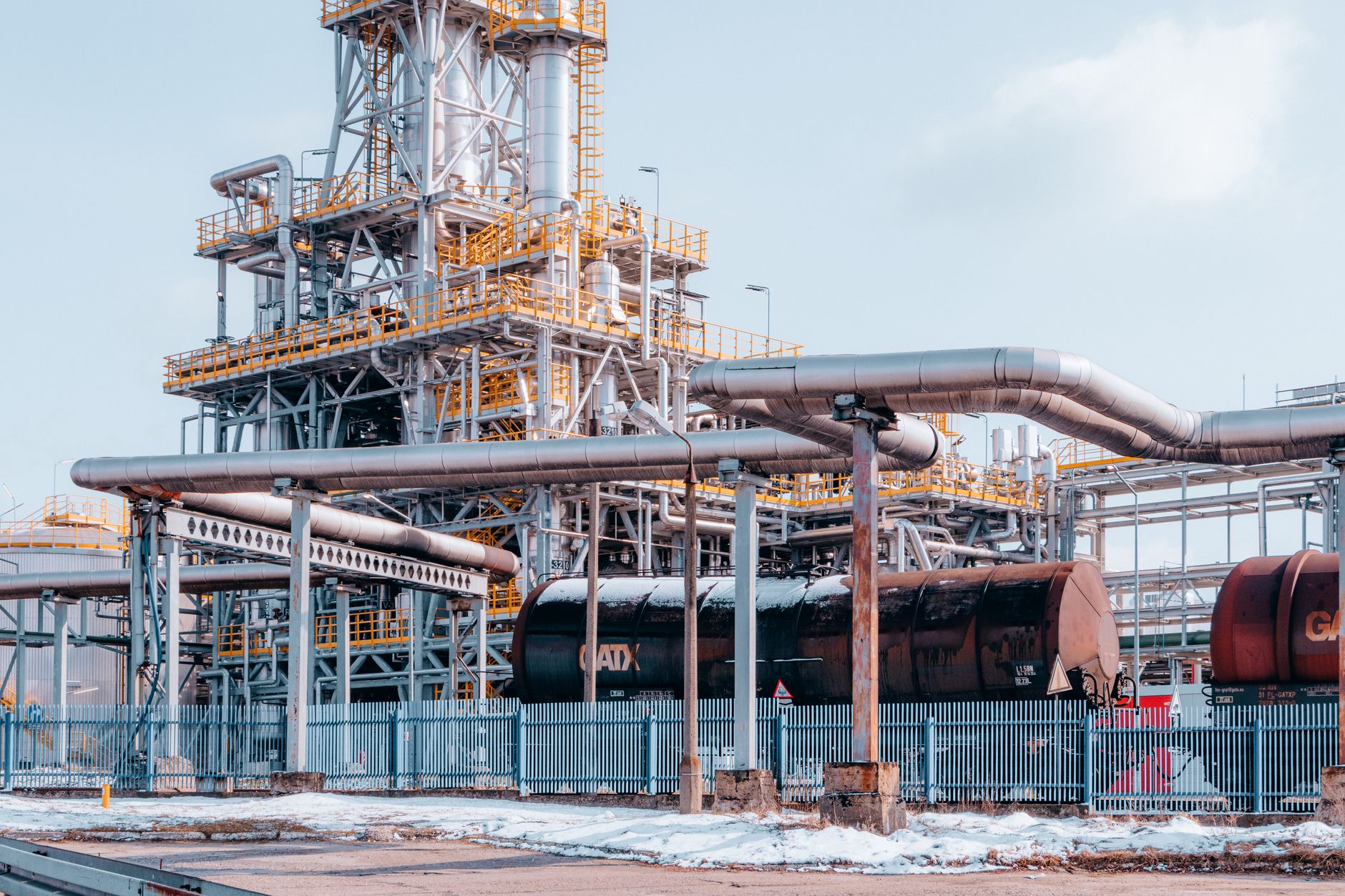
The more pointed question is what happens to the demand side of the equation over the next decade. Semiconductor fabrication is expanding aggressively in the United States following domestic manufacturing incentives, and each new fab requires helium for chip production processes. If domestic production cannot keep pace with that demand growth, the value of storage capacity – and the leases that govern it – only increases. That is the bet endowments are quietly placing underground.