

The Quiet Land Underneath the Turbines
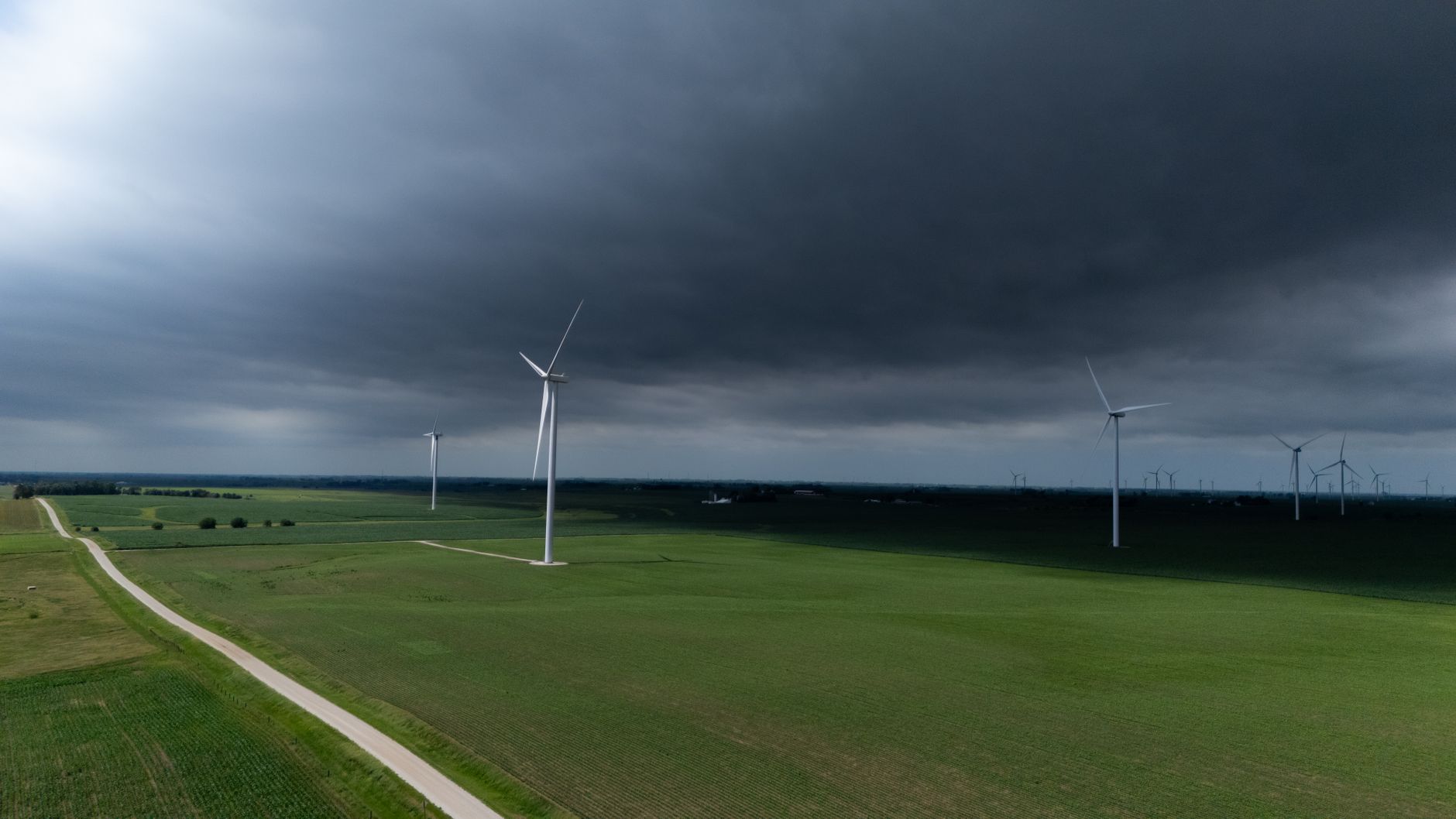
Wind farms get the headlines. The turbines, the gigawatts, the clean energy contracts – those are the numbers politicians cite and utilities promote. But underneath every spinning blade is a legal instrument most investors never think about: the easement. A wind easement is the right, granted by a landowner, for a developer to construct and operate turbines on private land in exchange for recurring payments. Those payment streams, structured across decades-long agreements, are now drawing serious capital from hedge funds that have been building positions quietly and without much public fanfare.
The appeal is structural. Wind easement streams behave less like equity and more like royalties – predictable, contracted, tied to physical assets that don’t move and don’t depreciate the way machinery does. For funds looking to diversify away from rate-sensitive fixed income without taking on the volatility of public markets, the math is becoming harder to ignore. This is not a story about betting on wind power as a technology. It is a story about who owns the right to use the land beneath it.

How Easement Streams Work as an Investment
When a wind developer signs a lease or easement agreement with a landowner – typically a farmer or rural property holder – the payments are structured across the life of the project, often 25 to 40 years, with built-in escalators tied to inflation or a fixed annual percentage. The landowner receives income without selling the property. The developer gets the right to operate. What hedge funds have discovered is that these agreements can be purchased outright or securitized, effectively turning a contract between a farmer and a utility developer into a tradeable financial asset. The landowner gets a lump sum. The fund takes the future cash flow.
The legal framework mirrors royalty streaming in extractive industries. Family offices accumulating stakes in lithium brine royalty streams are working from the same underlying logic – acquire the contractual right to future income tied to a physical resource, hold it passively, and collect. Wind easements add a layer of stability that mineral royalties don’t always offer: the turbines are already built, the offtake agreements are already signed, and the utility or grid operator on the other end of the power purchase agreement is typically investment-grade. The credit risk is embedded far upstream from the easement payment itself.
Why Hedge Funds Are Moving Now
The timing is not accidental. A large wave of wind projects from the mid-2000s through the early 2010s is now entering the middle of its operational life. The projects have track records. The generation data is real. The easement payments have been made consistently for a decade or more in many cases. That history gives buyers enough performance data to underwrite the risk with confidence, something that wasn’t available when these agreements were first signed.
At the same time, many of the original landowners who signed those easement agreements are aging. Some want liquidity. Others are settling estates or restructuring farm finances. That supply of willing sellers is meeting a pool of institutional buyers who have spent years building the legal and operational infrastructure to acquire, aggregate, and service these contracts at scale. The transaction costs have dropped substantially as specialist firms have emerged to handle the acquisition pipeline.
There is also a regulatory tailwind that has nothing to do with green energy enthusiasm. Wind easements, like mineral rights, are treated as real property interests in most U.S. jurisdictions. That classification opens them to 1031 exchange treatment, allows them to sit cleanly in certain tax-advantaged structures, and makes them easier to hold within fund vehicles that have restrictions on operating businesses. The asset is passive by nature, which is precisely what the legal structure needs it to be.
The inflation-escalator clauses written into most agreements from the 2010s onward have also aged well. Funds acquiring streams with 2% to 3% annual escalators are now holding assets that look significantly better in a higher-inflation environment than they did when rates were flat. That repricing effect – an upward revision in the present value of future cash flows – has quietly boosted the attractiveness of existing portfolios and pushed more capital into the space.

The Aggregation Play
No single wind easement is worth much to a hedge fund. The strategy only works at scale. What several funds are building – through a combination of direct acquisition and purchases from smaller aggregators – are portfolios of hundreds or thousands of individual easement agreements spread across multiple states, wind corridors, and project operators. That geographic and counterparty diversification reduces the risk of any single project underperforming, any single developer defaulting, or any single grid interconnection failing to perform.
The aggregation model is capital-intensive upfront but generates what amounts to a diversified royalty portfolio with virtually no ongoing operational responsibility. The fund does not operate the turbines. It does not negotiate power purchase agreements. It does not manage the land. It simply holds the contractual right to receive payments and collects them as they arrive. Some funds are already exploring securitization of these aggregated pools, packaging them into rated instruments that could be sold to pension funds, insurance companies, or other buyers who want the income profile without the acquisition work.
Risks That Don’t Show Up in the Pitch Deck
The asset class is not without real complications. Wind easement agreements vary enormously in their legal drafting. Some include clear assignment provisions that make transfer to a third-party investor straightforward. Others have restrictions, right-of-first-refusal clauses for the original developer, or ambiguous language that creates title risk at the moment of sale. A fund that moves quickly through a large acquisition pipeline without rigorous title review can inherit problems that only surface years later when a renewal or refinancing event forces a close reading of the original document.
There is also concentration risk in the developer counterparty. If the wind project operator itself encounters financial stress – cost overruns, insurance claims after a major weather event, disputes with the offtaking utility – the easement payment may be technically owed but practically difficult to collect. The easement sits senior to the equity in the developer’s capital structure in most structures, but enforcing that priority takes time and legal resources. Funds that have underwritten the credit quality of the utility at the top of the chain may be surprised to find that the developer in the middle is a thinner entity than it appeared.
What Comes Next
The market for wind easement streams is still small enough that most institutional allocators have never seen it in a manager presentation. That is changing. As the aggregation platforms grow larger and the first securitized pools come to market with ratings and standardized documentation, the asset class will reach a broader investor base. The hedge funds currently building positions are essentially performing the same function that early royalty streaming companies performed in mining – assembling the infrastructure, standardizing the deal terms, and creating the liquidity that makes the market legible to later, more conservative buyers.
The question is whether the return compression that follows institutionalization arrives before or after the current buyers have locked in their yields. Early participants in royalty streaming markets across other commodities captured the best risk-adjusted returns precisely because they moved before the asset class was well understood. Wind easement streams are at a similar inflection point – still opaque enough to offer a premium, but not so obscure that the capital hasn’t started to find them. The window for outsized positioning may be narrower than the funds currently building those positions would prefer to admit.
One structural detail will define how quickly that window closes: standardization of the underlying agreements. Right now, every easement is a bespoke document negotiated between a local attorney, a landowner, and a developer’s legal team. As acquisition platforms publish their own preferred form agreements and begin influencing how new projects are documented from the start, the friction in the secondary market will drop. When that happens, pricing will tighten, competition will intensify, and the quiet period that hedge funds are currently enjoying will end.