

The Quiet Accumulation Nobody Is Talking About
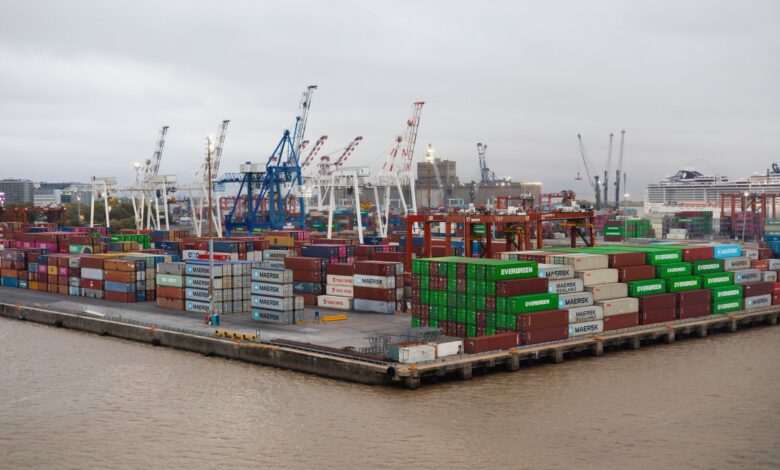
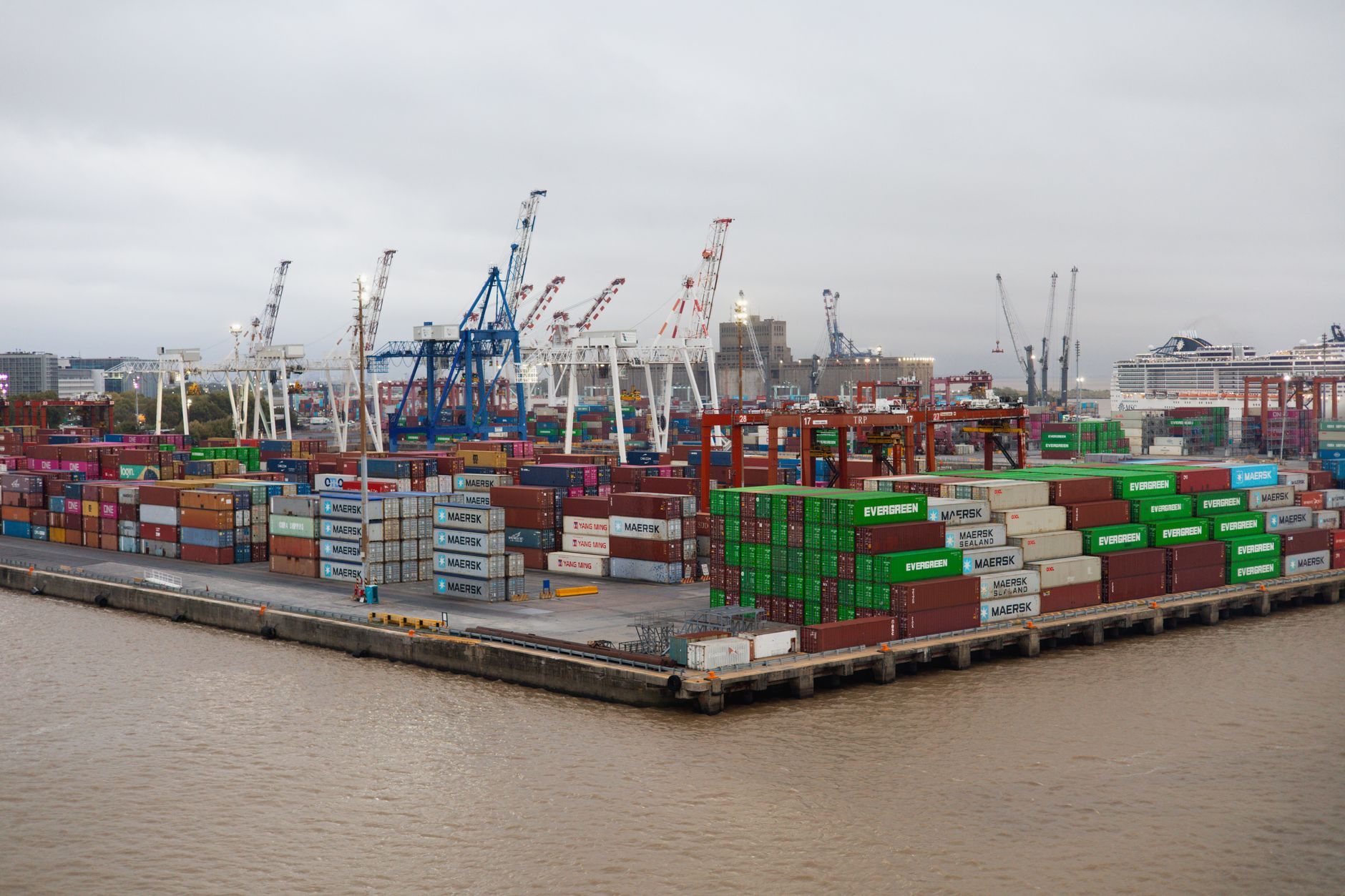
Port drayage – the short-haul trucking that moves containers from port terminals to nearby warehouses and rail yards – sits at one of the most congested, underfunded, and structurally essential chokepoints in American commerce. The companies that operate this business are often small, asset-heavy fleets with unpredictable cash flow, thin margins, and very little access to institutional capital. That combination, historically a deterrent for big money, has quietly started attracting a different kind of investor: the family office.
Over the past two years, a growing number of family offices have begun building positions in debt instruments tied to drayage operators – structured loans, revenue-based notes, and asset-backed facilities secured against truck fleets and contracted port authority relationships. The deals are small by Wall Street standards, often ranging from a few million dollars to under fifty million, which is exactly why they have largely escaped public notice. But the accumulation across multiple family office portfolios is adding up to something worth examining.
Why Drayage Debt Fits the Family Office Mandate
Family offices do not answer to quarterly earnings calls or redemption windows. That structural freedom allows them to hold positions in illiquid, operationally complex credit that institutional funds simply cannot warehouse for long enough to capture the full return. Drayage debt fits this mandate almost precisely. The underlying operators have predictable contract relationships with major beneficial cargo owners and freight brokers, which means the cash flows supporting debt repayment are tied to real volume, not speculation. A drayage company contracted to move containers for a large retailer or automotive manufacturer carries a very different risk profile than an unsecured small business loan.
The collateral structure adds another layer of appeal. Trucks are tangible, depreciating assets, but they are also liquid in secondary markets when maintained properly. A lender holding a senior secured note against a fleet of clean diesel or CNG-powered drayage trucks has a credible recovery story if things go wrong. That recovery logic is something family office principals – many of whom came from operating businesses rather than finance careers – understand intuitively. They tend to think in terms of what they can actually touch and sell, not just covenant packages and credit ratings.
There is also the matter of yield. Drayage operators, like most small transportation businesses, pay spreads well above what a comparably sized corporate credit would offer in the syndicated loan market. The premium exists because the capital is hard to access, not because the underlying business is fundamentally broken. Family offices willing to do the diligence work can capture that spread without taking on corresponding default risk – provided they structure the deals carefully and maintain close relationships with the borrowers.

The Port Congestion Premium
The investment thesis got sharper after the supply chain disruptions of 2021 and 2022. Port congestion turned drayage from a background logistics function into a front-page bottleneck, and the operators who survived that period – particularly those with modern fleets, clean emissions compliance, and strong dispatcher relationships – emerged with better pricing power and longer contract terms than they had ever held before.
That operational improvement has translated directly into improved debt serviceability. Operators who renegotiated rates during the congestion crisis and locked in multi-year container movement agreements are now sitting on more predictable revenue than the drayage sector has historically produced. Family offices that began underwriting these credits in 2022 and early 2023 got in at attractive entry points and are now holding paper that looks considerably safer than it did at origination. This is the kind of timing advantage that comes from moving before the crowd notices a sector.
How the Deals Are Actually Structured
The mechanics vary, but most family office drayage debt positions follow one of two templates. The first is a direct term loan to a regional drayage operator, typically secured by the truck fleet and supported by a personal guarantee from the principal owner. Interest rates on these deals tend to price significantly above equivalent bank rates, with the premium justified by the lender’s willingness to move quickly, structure creatively, and avoid the covenant-heavy documentation that commercial banks impose on transportation borrowers. These are relationship-driven deals, usually sourced through freight brokers, port authority contacts, or commercial real estate networks that already touch the logistics world.
The second template involves participation in structured facilities organized by specialty lenders focused on transportation and logistics credit. These lenders originate the loans, handle servicing, and manage borrower relationships, while family offices come in as co-lenders or note purchasers on individual credits that meet specific criteria. This approach trades some yield for operational convenience, and it gives family offices exposure to a diversified pool of drayage borrowers without building an in-house underwriting team. It is a model that has worked well in royalty-based lending, and it is being adapted here for a sector with physical asset backing rather than intellectual property.

The concentration risk question is real and worth sitting with. Drayage operators are heavily exposed to port volume, which tracks import demand. A significant slowdown in consumer goods imports – driven by tariffs, a demand contraction, or a shift in trade routes – would compress the revenue of every borrower in a drayage-focused portfolio at the same time. That correlation is the central underwriting challenge, and the family offices taking this seriously are building in structural protections: shorter loan terms, amortizing structures that pay down principal quickly, and geographic diversification across multiple port markets rather than concentrating in a single gateway like Los Angeles or Savannah.
The operators most attractive to these lenders are not necessarily the largest. Mid-sized fleets with twenty to eighty trucks, long-standing port terminal access agreements, and clean compliance records on emissions regulations tend to generate the most interest. California’s strict truck emissions standards have created a two-tier drayage market where compliant operators command higher rates and more stable contract relationships than their non-compliant peers. Family offices underwriting in West Coast port markets are specifically targeting this compliant tier – not because it eliminates risk, but because it filters out the operators most vulnerable to regulatory disruption, which is a different and less predictable kind of risk than volume volatility.