
The Quiet Infrastructure Play Most Investors Miss
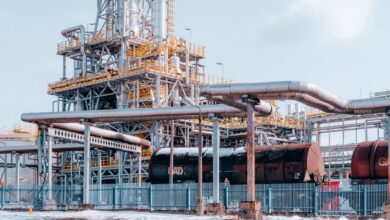
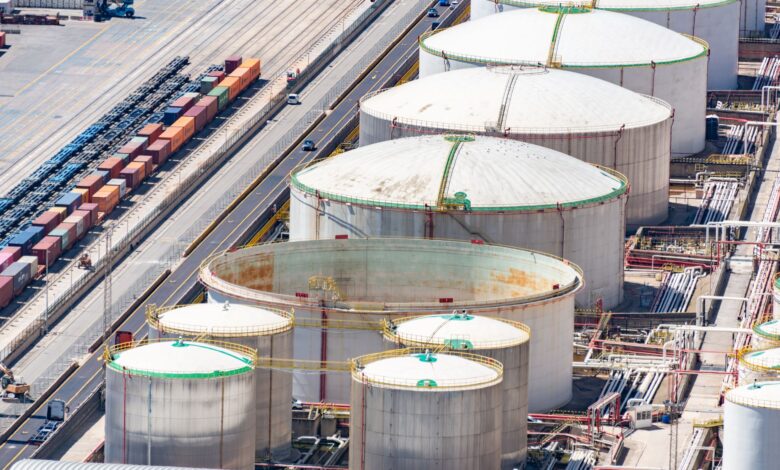
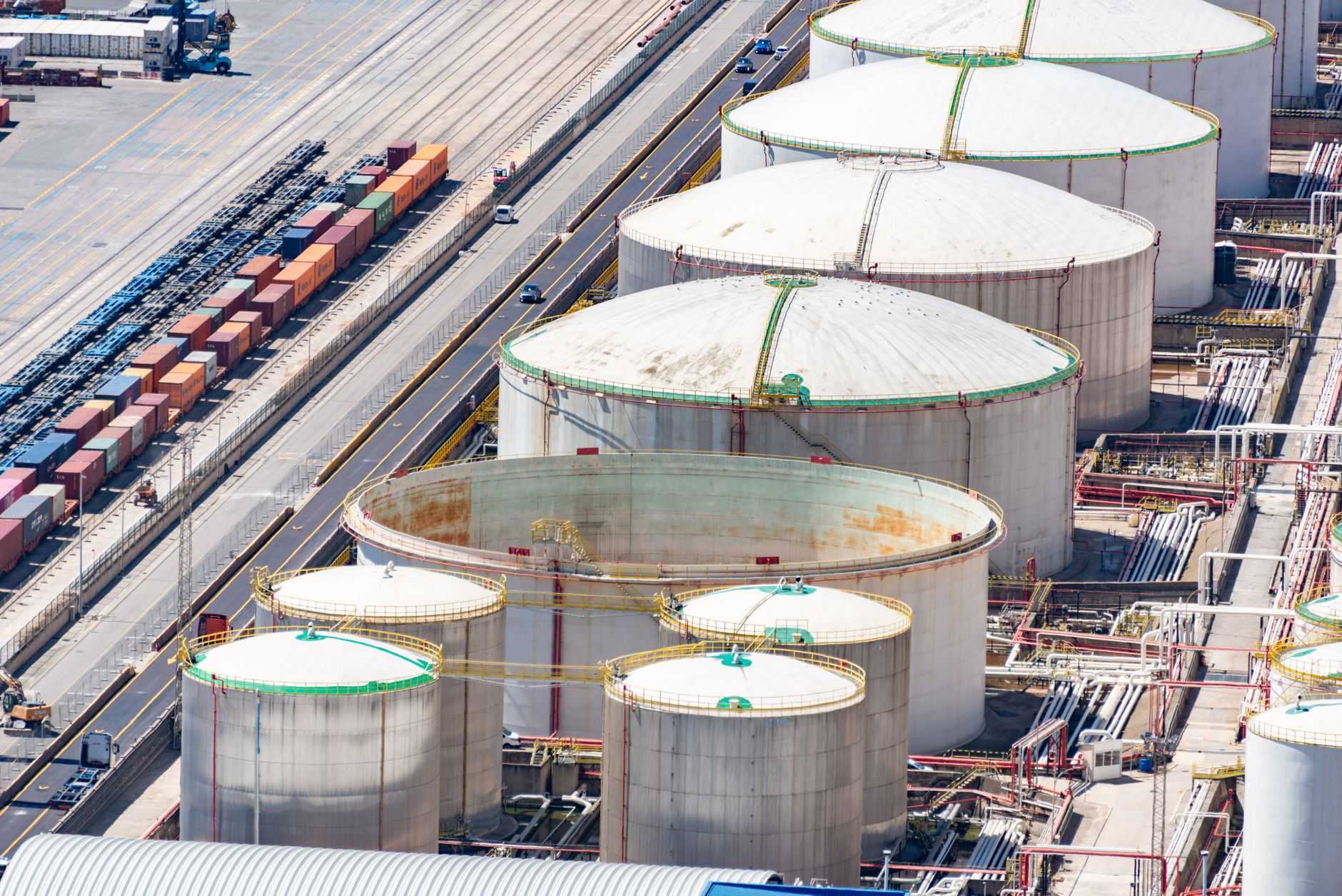
Aviation fuel farms – the storage and distribution systems that sit at the edge of commercial airports – are not glamorous assets. They are networks of tanks, pipelines, hydrant systems, and metering equipment that airlines cannot operate without. For decades, these facilities were owned and operated by airlines themselves or managed by airport authorities under long-term operating agreements. That ownership structure is now changing, and university endowments are among the first institutional players to notice.
Over the past several years, a growing number of large endowments have been quietly building positions in aviation fuel farm leases, acquiring the real estate and infrastructure rights that underpin fueling operations at regional and mid-size airports across the United States. The strategy is tucked inside broader real assets allocations and rarely surfaces in portfolio disclosures, which is partly why it has attracted so little public attention – and partly why early movers consider it attractive.
Why Fuel Farms Fit the Endowment Model
Endowments are structurally different from pension funds or mutual funds. They operate on indefinite time horizons, carry low liquidity requirements relative to their asset bases, and are managed to preserve real purchasing power across generations. Those characteristics make long-duration, inflation-linked cash flow assets genuinely useful rather than merely fashionable. Aviation fuel farm leases often run 20 to 30 years with built-in rent escalators tied to inflation or fuel throughput volumes, which maps almost perfectly onto an endowment’s liability profile.
The income stream is also largely divorced from airline profitability. Fuel farms generate revenue from throughput fees – charges levied per gallon of jet fuel that passes through the facility – rather than from any single carrier’s financial performance. When airlines compete for gate space or cut routes, fuel still moves. The infrastructure sits upstream of those competitive dynamics, which gives the asset class a defensive character that pure airline investments lack.
There is also a meaningful scarcity element. Building new fuel storage infrastructure near an active commercial airport requires regulatory clearance from the FAA, local zoning authorities, and environmental agencies. That process can take years and cost tens of millions of dollars before the first tank goes in the ground. Existing fuel farms with long-term leases are therefore difficult to replicate, which supports their value over time. Endowment managers who have spent years looking at freight rail terminal leases recognize this kind of structural moat immediately.

How the Deal Structures Actually Work
Most of these transactions are not straightforward property purchases. Airlines and airport authorities that own fuel farm infrastructure are often looking to monetize assets without giving up operational control. Sale-leaseback structures are common: the endowment acquires the underlying real estate and infrastructure, then leases it back to the airline or fuel consortium under a long-term agreement. The original operator keeps running the facility. The endowment collects rent and throughput fees.
In some cases, endowments are entering through infrastructure fund vehicles rather than direct ownership. A mid-size endowment that cannot efficiently underwrite a single fuel farm acquisition on its own can gain exposure through a commingled fund that aggregates several airports across a region. This reduces due diligence overhead and spreads operational risk while preserving most of the return characteristics that make the asset class interesting in the first place.
The Risk Calculus Beneath the Surface
None of this comes without real complexity. Aviation fuel infrastructure carries environmental liability that demands careful structuring. Fuel storage sites accumulate contamination risk over decades – legacy spills, underground tank corrosion, and hydrant line leaks can produce remediation costs that dwarf the original asset value if liability is not properly allocated in the transaction documents. Endowments acquiring these assets typically require robust environmental indemnification from sellers, and deal timelines often extend well beyond what conventional commercial real estate transactions require.
There is also concentration risk at the airport level. A fuel farm serving a single regional airport is only as stable as that airport’s traffic base. When a major carrier reduces or exits a hub, throughput volumes can drop sharply and quickly. Endowments building positions in this space are therefore attentive to airport classification – primary commercial service airports with multiple carriers and diverse route networks are materially lower risk than single-carrier regional facilities. Portfolio construction matters as much as individual asset underwriting.
Regulatory evolution around sustainable aviation fuel adds another layer of uncertainty – and opportunity. As SAF mandates work their way through federal and state policy, fuel farms will need to handle new fuel blends, which may require infrastructure upgrades. Lease agreements being written today increasingly include provisions that allocate the cost of those upgrades, either to the operator or shared between parties. Endowments with long enough time horizons can absorb the capital expenditure requirements; shorter-duration investors cannot hold the asset through the transition period without eroding returns.

The valuation methodology for these assets is still being worked out in real time. Traditional real estate cap rates do not fully capture the throughput-dependent income streams. Infrastructure fund discount rates may not account for the real estate components. Deal pricing has ranged widely even for comparable assets, which creates both opportunity for sophisticated buyers and hazard for those applying the wrong analytical framework. What is becoming clear is that endowments willing to build internal expertise – or back experienced operating partners – are finding yields that public market infrastructure investments have not offered in years.