
The Quiet Land Play Beneath Every Highway
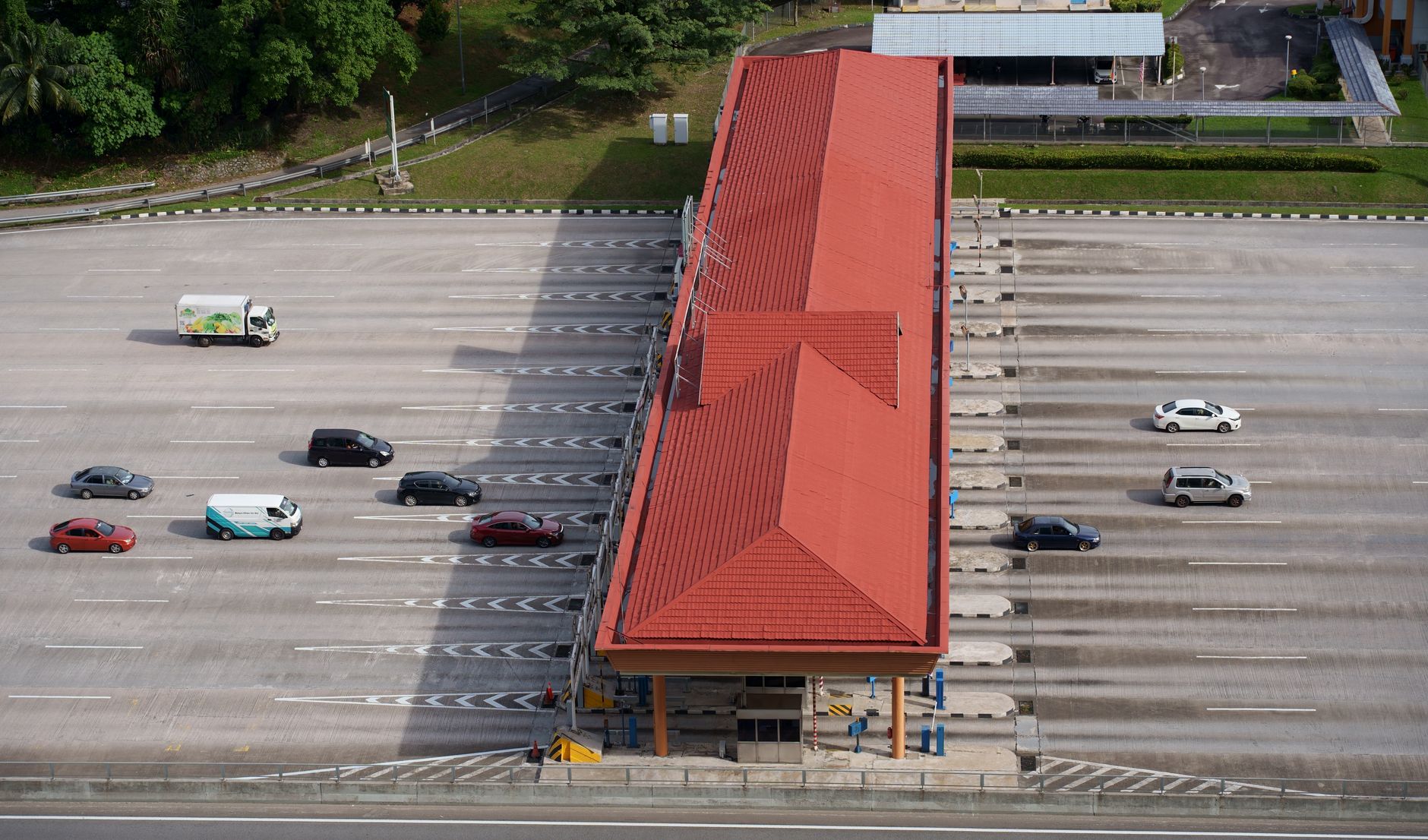
Toll roads get built on land that someone owns, and increasingly, that someone is a sovereign wealth fund. While public attention stays fixed on the cars and trucks paying tolls, a less visible transaction has been accumulating across infrastructure portfolios: the long-term ground lease beneath the pavement. These are not equity stakes in toll operators or bonds tied to revenue streams. They are direct ownership positions in the land itself, structured as leases that can run 50, 75, or even 99 years.
The distinction matters more than it first appears.
A ground lease on toll road land separates the asset into two layers. The leaseholder – typically the toll operator or a public-private partnership – controls the surface and collects the revenue. The ground lessor, sitting quietly below, collects a rent that is often indexed to inflation and insulated from the operational risks of running the road. For a sovereign wealth fund managing multi-decade obligations to pensioners or future generations, that structure is close to ideal: long-duration, inflation-linked, and legally senior to almost everything else on the capital stack.
Why Ground Leases, and Why Now
The appeal of toll road land leases among sovereign funds comes down to a problem most large institutions share: duration mismatch. Government bonds at current yields do not cover long-horizon liabilities, and equity markets offer volatility that makes 30-year planning difficult. Real assets – ports, rail terminals, pipelines, and roads – provide cash flows that extend across budget cycles and political terms. But owning a toll operator carries regulatory risk, political exposure, and the messy business of managing traffic concessions. Owning the land under the operator does not.
Ground leases in this context function more like a royalty than a landlord arrangement. The sovereign fund does not maintain the road, negotiate with municipalities, or worry about traffic volumes falling during a recession. The lease payments keep coming regardless. And because the land cannot be moved, foreclosed upon easily, or made obsolete by a competing technology, the collateral quality is high. In jurisdictions where the legal framework is stable, a 75-year ground lease on a major arterial route is about as durable a cash flow as private markets can offer.
Several Gulf-based sovereign funds have been particularly active in this space, as have Singaporean and Norwegian state investment vehicles. Their activity tends to surface only in regulatory filings, infrastructure fund prospectuses, or the occasional court record when a lease dispute becomes public. The strategy rarely generates press releases. The funds are not seeking headlines – they are seeking yield, duration, and geographic diversification away from domestic markets that are either too small or too correlated with their own national economies. This activity parallels a broader pattern: the same logic that draws endowments to freight rail terminal leases is driving sovereign funds toward toll road land as a distinct asset class.

Structures, Risks, and the Legal Architecture
The transactions themselves are rarely simple. A sovereign fund seldom buys a ground lease directly from a highway authority. More commonly, the lease is held inside a special purpose vehicle, which is then sold or partially sold to the fund through a secondary market transaction or a co-investment alongside an infrastructure manager. The fund ends up as a limited partner or direct owner of an entity that holds the lease, creating one or two additional legal layers between the sovereign capital and the asphalt. Those layers add complexity but also provide useful insulation from direct political scrutiny in the host country.
Risks do exist, and they are not trivial. Eminent domain – the legal right of governments to reclaim land for public use – sits at the top of every risk disclosure in this space. A government that decides to restructure a highway concession can, in principle, terminate or renegotiate a ground lease, though compensation requirements make outright expropriation expensive and politically costly. Currency risk is another real consideration for a fund based in, say, Abu Dhabi holding a lease denominated in Australian dollars or euros. Most funds hedge selectively rather than fully, accepting some currency exposure in exchange for lower hedging costs over a 50-year horizon.
Lease escalation clauses deserve attention because they vary widely and the difference compounds aggressively over long periods. A lease with a fixed 2% annual escalation looks very different from one tied to the consumer price index in a country that has averaged 3.5% inflation over the past two decades. Sovereign funds with experienced infrastructure teams model these scenarios in detail, sometimes renegotiating escalation terms as a condition of closing. The funds that treat ground leases as simple bond equivalents tend to underperform those that treat them as active structured positions requiring legal and economic scrutiny at every renewal point.

What This Means for Infrastructure Markets
The accumulation of toll road ground leases by sovereign funds is gradually changing the ownership map of transportation infrastructure in ways that most travelers and even most policymakers do not track. When a government sells or privatizes a road concession, the ground beneath it may end up owned by a foreign state investment vehicle within a decade, held through a chain of entities that makes direct attribution difficult. Whether that concentration of ownership in sovereign hands is a systemic concern or simply a natural consequence of long-horizon capital seeking long-horizon assets is a question that infrastructure regulators in the United States, Europe, and Australia are only beginning to formalize into policy frameworks – with no consensus in sight on where to draw the line.
Frequently Asked Questions
What is a toll road ground lease and why do sovereign funds want it?
A ground lease separates land ownership from road operations. Sovereign funds collect rent without managing the road, gaining inflation-linked income over 50-99 year terms.
What are the main risks of investing in toll road land leases?
Key risks include government eminent domain actions, currency fluctuations for foreign investors, and lease escalation clauses that may not keep pace with actual inflation.