
Family Offices Quietly Accumulate Stakes in Natural Gas Gathering Agreements


The Quiet Accumulation
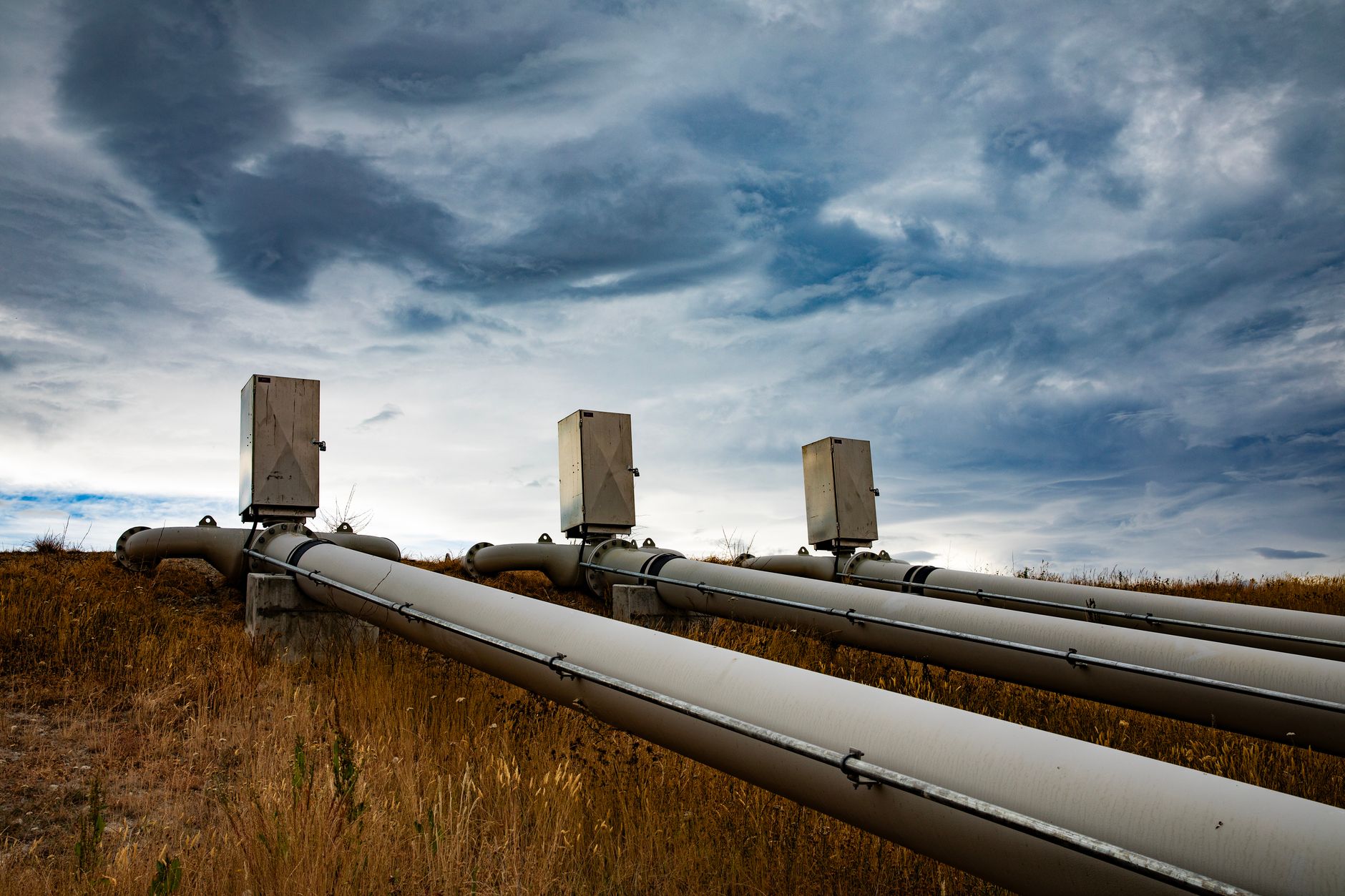
Natural gas gathering agreements – the contracts that govern how raw gas moves from wellheads to processing plants – have quietly become a target asset class for family offices managing multigenerational wealth. These are not the flashy infrastructure plays that make headlines. Gathering systems sit at the unglamorous middle of the energy supply chain, collecting gas from individual wells across a production field and routing it through a network of smaller pipelines before it reaches mainline transmission. That obscurity is precisely the appeal.
Family offices, which typically manage the private wealth of a single ultra-high-net-worth family and operate with minimal regulatory disclosure requirements, are not obligated to announce their positions. What is becoming visible through deal structures, private placement activity, and operator filings is a pattern: long-duration capital is flowing into midstream gathering contracts at a pace that has accelerated since 2022. The strategy borrows from a playbook that institutional capital has used in pipeline easements and terminal leases, but applies it to an earlier, less contested point in the natural gas value chain.
Why Gathering Agreements, Why Now
A gathering agreement is fundamentally a revenue contract. A producer signs a long-term deal – often 10 to 20 years – committing to deliver its gas output through a specific gathering system in exchange for a fee, typically structured per unit of volume processed. For the family office acquiring a stake in that agreement or in the gathering company holding it, the investment looks less like a commodity trade and more like a toll road. The fee comes in whether gas prices are high or low, provided the producer keeps drilling and volumes keep flowing.
That fee-based structure insulates returns from the price volatility that makes direct commodity exposure uncomfortable for wealth preservation mandates. A family managing generational wealth across a 30-year horizon does not want returns that swing violently with Henry Hub spot prices. What it does want is a predictable cash yield, ideally inflation-linked or at minimum hard-asset backed, sitting inside a legal structure that is difficult to replicate and slow to erode. Gathering agreements in active production basins – particularly in the Permian, Appalachian, and Haynesville plays – deliver exactly that profile.

The timing tracks a specific market dynamic. After the wave of midstream consolidation that ran from roughly 2017 through 2021, a large number of smaller gathering operators found themselves outside the acquisition appetite of major midstream MLPs, which were focused on debt reduction and distribution coverage rather than growth. Those smaller systems – serving a cluster of producer acreage with 5 to 15 years of contract life remaining – became available at valuations that did not reflect their contracted cash flow quality. Family offices, unconstrained by quarterly earnings pressure and willing to hold through the full contract term, were structurally suited to step in.
Structure and Access
Entry into these positions is rarely direct. Family offices are more commonly acquiring minority interests in the operating companies or partnerships that own gathering systems, sometimes alongside private equity sponsors who need longer-dated co-investors to extend hold periods. In other cases, the structure involves a sale-leaseback variant, where a producer sells its gathering infrastructure to a family office vehicle and then contracts back access under a long-term fee agreement – monetizing an asset on the producer’s balance sheet while the family office receives the contracted cash flow stream.
The access challenge is real. Gathering agreement investments do not appear on public exchanges. Deal flow arrives through relationships with energy-focused investment banks, direct outreach to midstream operators, and through networks of family office principals who have prior careers in energy. This is not a strategy for a family office without existing sector knowledge or without a direct relationship with an operator or sponsor who can source transactions. The families currently building these positions tend to have that background, either through prior operating businesses or through earlier private equity exposure to midstream infrastructure. This trend mirrors what pension funds have done building exposure to crude oil tank farm leases – patient capital finding a contractual yield structure that public markets have largely ignored.
The Risk Profile Is Not Simple
The fee-for-volume model carries a dependency that is easy to underestimate. Gathering revenue is only as stable as the producer’s willingness to keep drilling wells within the dedicated acreage. If a producer cuts its capital program, volumes decline even if the long-term contract remains in place. Most gathering agreements include minimum volume commitments that require producers to pay fees on a floor level of throughput even when actual volumes fall short, but enforcing those provisions against a financially stressed producer is a legal process, not an automatic backstop. The contract is only as strong as the counterparty behind it.
Basin selection matters enormously for this reason. A gathering system serving Tier 1 Permian acreage operated by an investment-grade E&P company carries a fundamentally different risk profile than one serving marginal Appalachian acreage tied to a smaller private producer. Family offices that are entering this space with appropriate rigor are stress-testing producer balance sheets, well economics at multiple price scenarios, and remaining acreage inventory before committing capital. Those that are not doing that work are essentially taking undisclosed commodity exposure in a structure that looks like it isn’t.
There is also the policy dimension. Natural gas gathering sits inside a broader energy transition conversation that has not resolved itself. Permitting constraints, state-level emissions regulations, and federal methane rules all create compliance costs and timeline risk for gathering operators. A 15-year gathering agreement looks different in a regulatory environment that imposes progressively stricter leak detection requirements or that constrains new well permitting in a given basin. These are not existential risks over a 5-year hold, but they matter considerably for a family office thinking in decades.

What makes the current moment genuinely interesting is the asymmetry between how these assets are priced and how they perform in a higher-for-longer natural gas demand scenario. LNG export expansion, industrial load growth from data center power demand, and continued coal-to-gas switching in power generation all point toward sustained natural gas throughput volumes in the basins where gathering systems operate. If volumes stay elevated or grow, gathering fee income compounds in ways that deal models built on conservative volume assumptions did not price in. The families who entered these positions quietly over the past two years are already watching that upside scenario develop – without having said a word publicly about how they got there.
Frequently Asked Questions
What is a natural gas gathering agreement?
It is a long-term contract in which a producer commits to routing its gas output through a specific gathering system in exchange for a per-unit fee, creating a toll-road style revenue stream for the system owner.
Why are family offices attracted to gathering agreement investments?
The fee-based structure insulates returns from commodity price swings, and long contract durations align with the multigenerational wealth preservation mandates that most family offices operate under.