

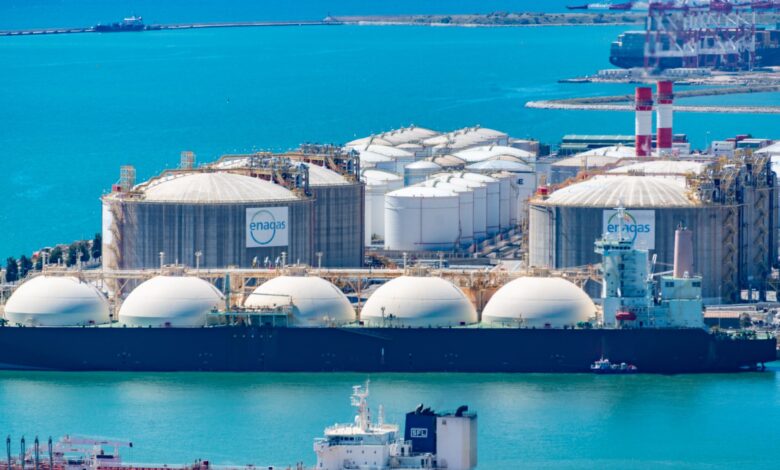
The Quiet Pivot Into Ethanol Infrastructure
Pension funds managing retirement savings for teachers, municipal workers, and state employees are steadily increasing their positions in a corner of the energy market that rarely makes headlines: ethanol terminal leases. These are long-term agreements that give operators the right to use storage and blending facilities tied to the ethanol supply chain – the same infrastructure that moves fuel-grade alcohol from Midwestern corn processors to blending racks and ultimately into gasoline sold at stations across the country. The asset class looks nothing like the equities and bonds that dominate most pension portfolios, which is precisely why allocators are paying attention to it now.
The appeal is structural. Ethanol terminal leases generate revenue that is contractually fixed for years at a time, often indexed to inflation, and largely disconnected from the short-term price swings that rattle stock markets. For a pension fund sitting on a 20- or 30-year liability horizon, that profile is genuinely attractive. The fund does not need ethanol prices to rise. It just needs the lease payments to arrive on schedule – and historically, for well-structured terminal agreements, they do.
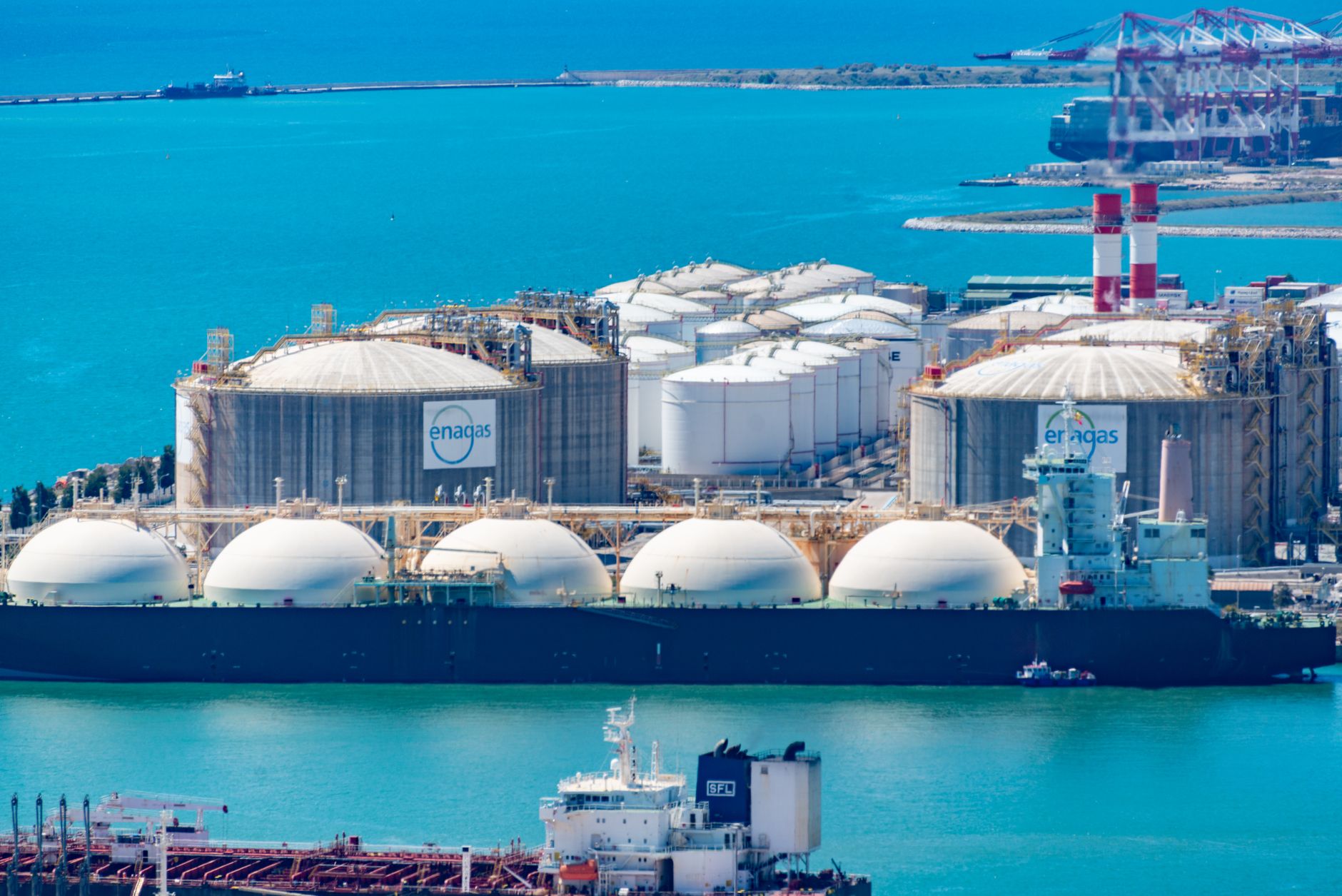
Why Terminals, Why Now
Ethanol terminals sit at a specific chokepoint in the U.S. fuel supply system. Under the Renewable Fuel Standard, refiners and importers are required to blend a set volume of renewable fuel into the gasoline pool each year. Ethanol, derived overwhelmingly from corn, fills the vast majority of that mandate. The blending does not happen at the refinery – it happens at terminal racks, often owned or operated by third-party logistics companies. Those operators need storage capacity, and they typically secure it through multi-year lease arrangements rather than outright ownership of the tank farms and loading infrastructure.
That creates a durable demand for terminal space that exists largely independent of commodity prices. Even when ethanol spot prices soften, the blending obligation does not go away. Terminals that have signed take-or-pay agreements – where the lessee pays for a minimum volume regardless of actual throughput – deliver cash flows that resemble rent more than they resemble commodity revenue. Pension allocators are drawn to that distinction because it simplifies long-range modeling. A fund can project income over a 15-year lease horizon without building elaborate commodity price scenarios into its assumptions.
The timing also reflects a broader rotation away from direct commodity exposure. Pension funds that held positions in energy through master limited partnerships or commodity futures have, over the past several years, grown wary of the volatility and tax complexity those vehicles carry. Terminal leases, structured as real asset investments often held through private infrastructure funds, offer a cleaner alternative. The underlying business – storing and distributing ethanol – does not disappear when oil prices drop or when equity markets sell off.

How the Investment Actually Works
Pension funds rarely buy terminal leases directly. Instead, they invest through private infrastructure funds or real asset vehicles that aggregate multiple lease positions across different facilities and geographies. A single fund might hold lease interests in terminals located in the Gulf Coast, the Midwest, and the Southeast, giving the portfolio some geographic diversification without requiring the pension to negotiate individual agreements with terminal operators. The infrastructure fund manager handles due diligence on the counterparty, reviews the physical condition of the facility, and structures the legal terms of the lease – the pension fund effectively purchases exposure to the cash flow stream those activities produce.
The returns are not spectacular by private equity standards, but that is not the point. Terminal lease positions in this space are generally expected to deliver yields in a range consistent with other infrastructure assets – predictable enough to match against long-dated pension liabilities without requiring active management. Some funds have begun treating ethanol terminal exposure the way they treat toll road concessions or regulated utility assets: not as a return-maximizing bet, but as a liability-matching tool. This positioning matters because it affects how much of a portfolio can logically be allocated to the space. A pension fund running a liability-driven investment strategy can justify a meaningful slice of its real assets bucket in terminal leases without creating concentration risk, as long as the lease terms and counterparty quality hold up under scrutiny.
Counterparty risk is the central underwriting question. The value of an ethanol terminal lease depends almost entirely on the financial health of the lessee – the company actually occupying the terminal and making payments. If that company runs into trouble, the terminal does not evaporate, but the cash flow does. Sophisticated allocators spend considerable time on lessee credit analysis, looking at the operator’s contract book, its relationship with fuel distributors, and whether its revenue comes from diversified customers or one dominant blending customer. A terminal tied to a single regional gasoline distributor carries a different risk profile than one serving multiple national fuel companies.
There is also a regulatory dimension that allocators cannot ignore. The Renewable Fuel Standard is set by the Environmental Protection Agency and can be adjusted through a waiver process. If the annual blending volumes were substantially reduced – as has happened during periods of political pressure from oil refiners – demand for ethanol terminal capacity could soften. Most sophisticated fund managers price this risk into their underwriting, favoring leases with terms long enough to outlast any single administration’s regulatory adjustments, and preferring facilities that could theoretically be repurposed for other liquid fuel storage if ethanol mandates were ever permanently reduced. That flexibility adds a layer of downside protection that a purely ethanol-focused asset would lack.
Pension funds with existing positions in crude oil tank farm leases have found the transition to ethanol terminal exposure relatively straightforward, since the due diligence frameworks overlap significantly. The physical assets are different, but the lease structure, the counterparty analysis, and the regulatory overlay follow similar logic. That familiarity is accelerating adoption among funds that have already built internal competency in liquid fuel storage infrastructure – they are not starting from scratch, they are extending a thesis they already understand.

The open question hanging over this allocation trend is duration. Ethanol’s role in the U.S. fuel mix is tied directly to the internal combustion engine’s continued dominance of transportation. Electric vehicle adoption is growing, and at some point – a point that honest forecasters admit is hard to pin down precisely – the gasoline pool that requires ethanol blending will begin to shrink. A pension fund signing a 20-year terminal lease today is making an implicit bet that this contraction stays slow enough to leave the lease economics intact. Funds writing 10-year agreements carry far less of that risk. Whether allocators are pricing the duration question correctly is something the next decade of vehicle sales data will answer before any analyst’s model does.
Frequently Asked Questions
Why are pension funds investing in ethanol terminal leases?
Ethanol terminal leases offer long-term, contractually fixed cash flows that are largely disconnected from commodity price swings, making them useful for matching pension funds’ long-dated liabilities.
What is the biggest risk in ethanol terminal lease investments?
Counterparty risk is central – if the lessee occupying the terminal runs into financial trouble, the cash flow stops even though the physical asset remains. Regulatory changes to the Renewable Fuel Standard also pose a longer-term risk.