
The Quiet Accumulation
Pension funds managing retirement savings for teachers, municipal workers, and state employees are steadily building positions in an asset class most retail investors barely know exists: wastewater treatment revenue bonds. The moves are deliberate, largely undiscussed in financial media, and accelerating.
Why Wastewater Bonds Are Attracting Institutional Capital
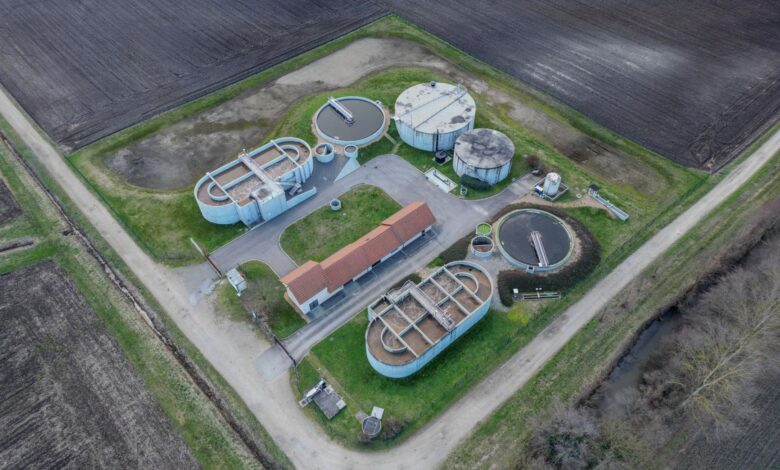
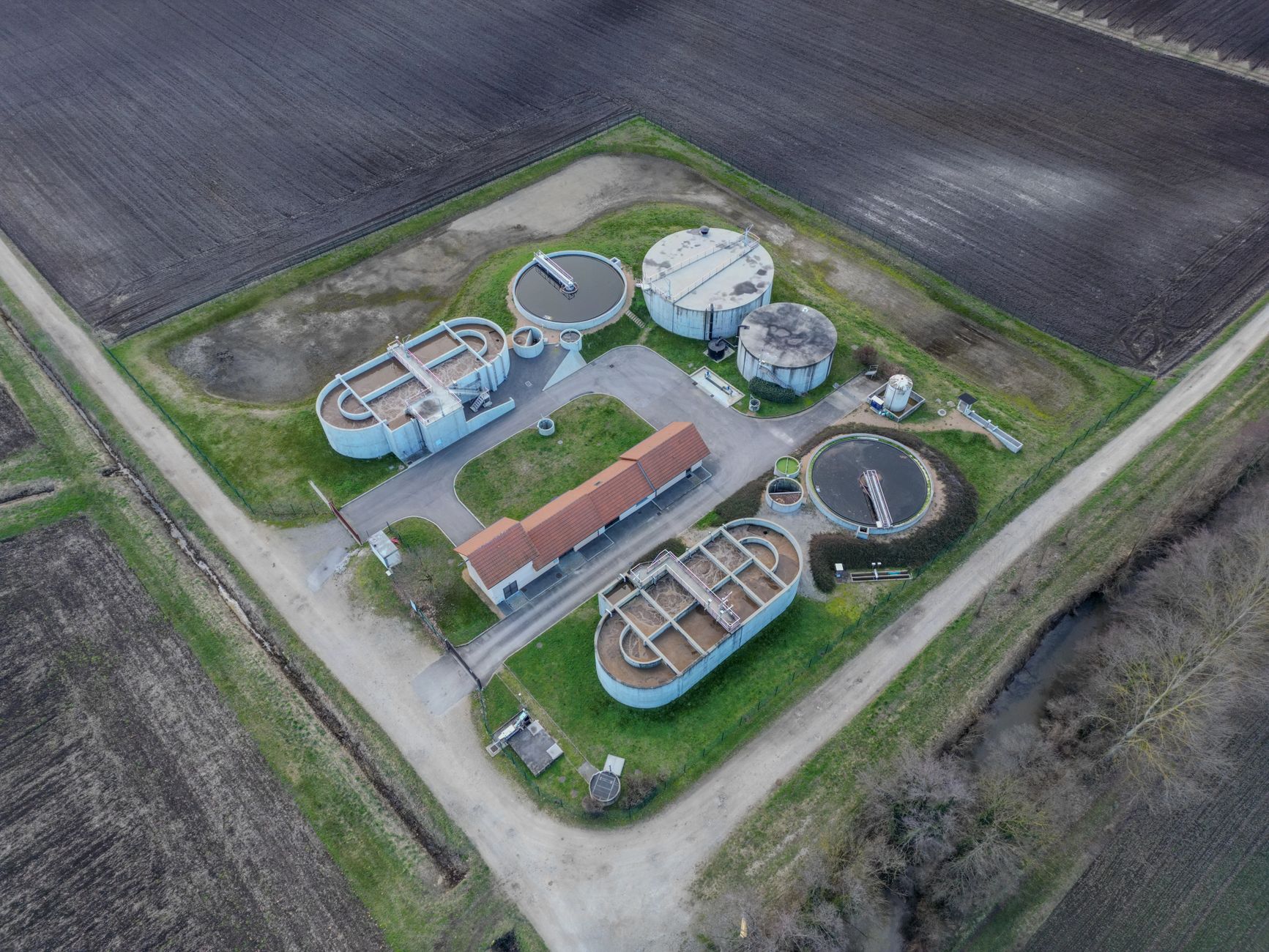
Wastewater treatment bonds are municipal debt instruments issued by utility authorities, regional water districts, and municipal governments to finance the construction, expansion, or rehabilitation of sewage treatment infrastructure. They are backed by the revenue generated from ratepayer fees – the monthly charges that households and businesses pay for water and sewer service. Because those fees are non-discretionary, the revenue stream is considered exceptionally stable even during economic downturns. People do not stop generating wastewater when recessions hit.
That stability is exactly what pension fund managers are hunting for right now. The obligation structure of most pension funds requires predictable long-duration cash flows to match liabilities that stretch decades into the future. Investment-grade municipal bonds already carry favorable tax treatment and lower default rates historically than comparably rated corporate debt. Wastewater revenue bonds take that foundation and add another layer – the monopoly nature of public utility service. There is no competitive market for sewage treatment. A household connected to a municipal sewer system has no alternative provider to switch to, which means the revenue base is structurally protected from competition risk.
The timing of this accumulation is not accidental. Federal infrastructure investment has directed significant capital toward water and wastewater systems over the past several years, with the Infrastructure Investment and Jobs Act allocating billions specifically for water infrastructure. That federal spending acts as a credit enhancement for these bonds because it reduces the capital burden on local utilities, lowering the risk that a given district overextends itself to finance a project. When federal grants cover a portion of a treatment plant upgrade, the bonds issued for the remaining cost carry a more conservative debt load relative to the underlying revenue base.
Pension funds that have been accumulating stakes in hydropower revenue bonds are applying the same logic here: essential infrastructure with captive ratepayers, long asset lives, and federally supported capital structures. Wastewater bonds extend that thesis into a sector with even less investor competition because the asset class carries reputational unglamorousness that keeps many allocators away. Nobody holds a press conference about buying sewer bonds.

The Structural Appeal and the Real Risks
The duration profile of wastewater revenue bonds aligns well with pension fund liabilities in a way that is worth understanding directly. A state pension fund with liabilities extending 25 to 30 years out needs assets that generate cash flows across that same horizon. Many wastewater bonds are issued with maturities of 20 to 30 years, and some bond series are structured with serial maturities – meaning portions of the principal come due in successive years – giving fund managers the ability to ladder their holdings and precisely match liability schedules. This is portfolio engineering, not speculation.
Credit quality in this sector skews high. Most wastewater revenue bonds issued by established municipal utility authorities carry investment-grade ratings, and the default history for this specific category of municipal debt is extremely thin. The essential nature of the underlying service, combined with the rate-setting authority most water utilities hold, means that when costs rise, the utility can typically raise fees with limited regulatory resistance. That pricing power is real and documented across utility regulatory proceedings nationwide.
The risks are real, though. Climate exposure is increasingly relevant because treatment facilities built near coastlines or in flood-prone watersheds face physical damage risk that bond covenants rarely price in explicitly. An aging facility in a post-industrial city with a declining ratepayer base faces revenue compression as the population shrinks but fixed debt service costs remain. Some smaller rural districts have issued wastewater bonds against revenue bases that were marginal at issuance and have only become more strained since. Pension fund managers building these positions are not treating the sector as uniformly safe – they are doing the credit work to distinguish between an Atlanta metropolitan water authority bond and a rural county district with three thousand customers and deferred maintenance.
Liquidity is another honest constraint. The secondary market for municipal bonds, including wastewater revenue bonds, is fragmented and less liquid than the corporate bond market. A pension fund acquiring a large position in a specific bond series may find it difficult to exit quickly without moving the price against itself. For funds with a genuine buy-and-hold orientation, this is a manageable tradeoff. For funds that might need to raise cash quickly to meet an unexpected wave of benefit payments, illiquidity in this corner of the portfolio is a real operational concern.
Environmental, social, and governance mandates are also driving some of this allocation activity. Wastewater treatment infrastructure qualifies under many ESG frameworks as a social infrastructure asset – it protects public health, supports sanitation access, and prevents water pollution. For pension funds under political or beneficiary pressure to demonstrate responsible investing, adding wastewater bonds allows fund managers to report genuine infrastructure and ESG exposure without relying on corporate green bond structures that often carry more marketing than substance.
What This Means for the Market

As pension fund demand for these bonds grows, it is compressing yields on the highest-quality issues. Water and wastewater authority bonds from well-rated municipalities have seen increasing bid competition at new issue auctions, and that demand pressure reduces the yield premium investors can extract. The arithmetic works against latecomers: the pension funds that built positions early are holding bonds with more attractive yields than what is currently available at new issue, and the window for entering this trade at historically reasonable valuations is narrowing with each successive auction cycle.
Smaller institutional investors and separately managed account holders who have followed pension funds into this space face a specific tension – they are buying into a sector now crowded with very patient, very long-horizon capital from public pension systems that have no pressure to sell. That creates a one-sided secondary market where sellers are rare and buyers are accumulating. Whether that illiquidity premium ultimately rewards or penalizes the late-arriving allocator depends entirely on whether their own liability structure can tolerate a 20-year hold – and many retail-adjacent investors who think they want infrastructure exposure have never actually stress-tested that assumption.