
The Quiet Bet on Moving Water
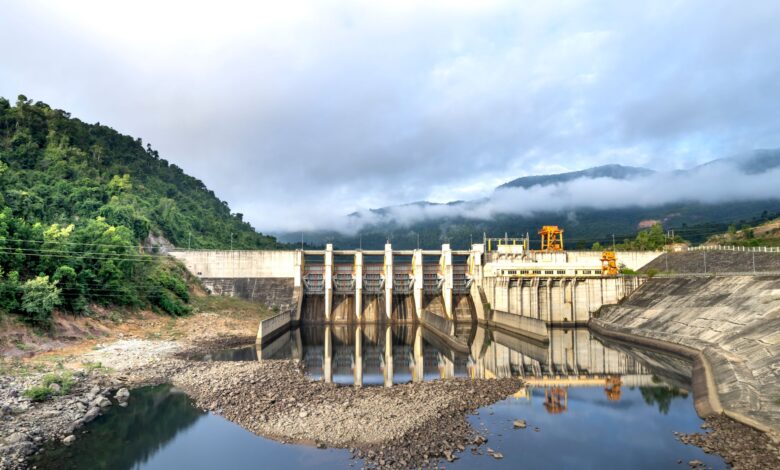
Pension funds are steadily building positions in hydropower revenue bonds, a corner of the municipal debt market that rarely makes headlines but increasingly appeals to institutional investors hunting for long-duration, inflation-resistant income.
Why Hydropower Bonds Are Drawing Institutional Capital
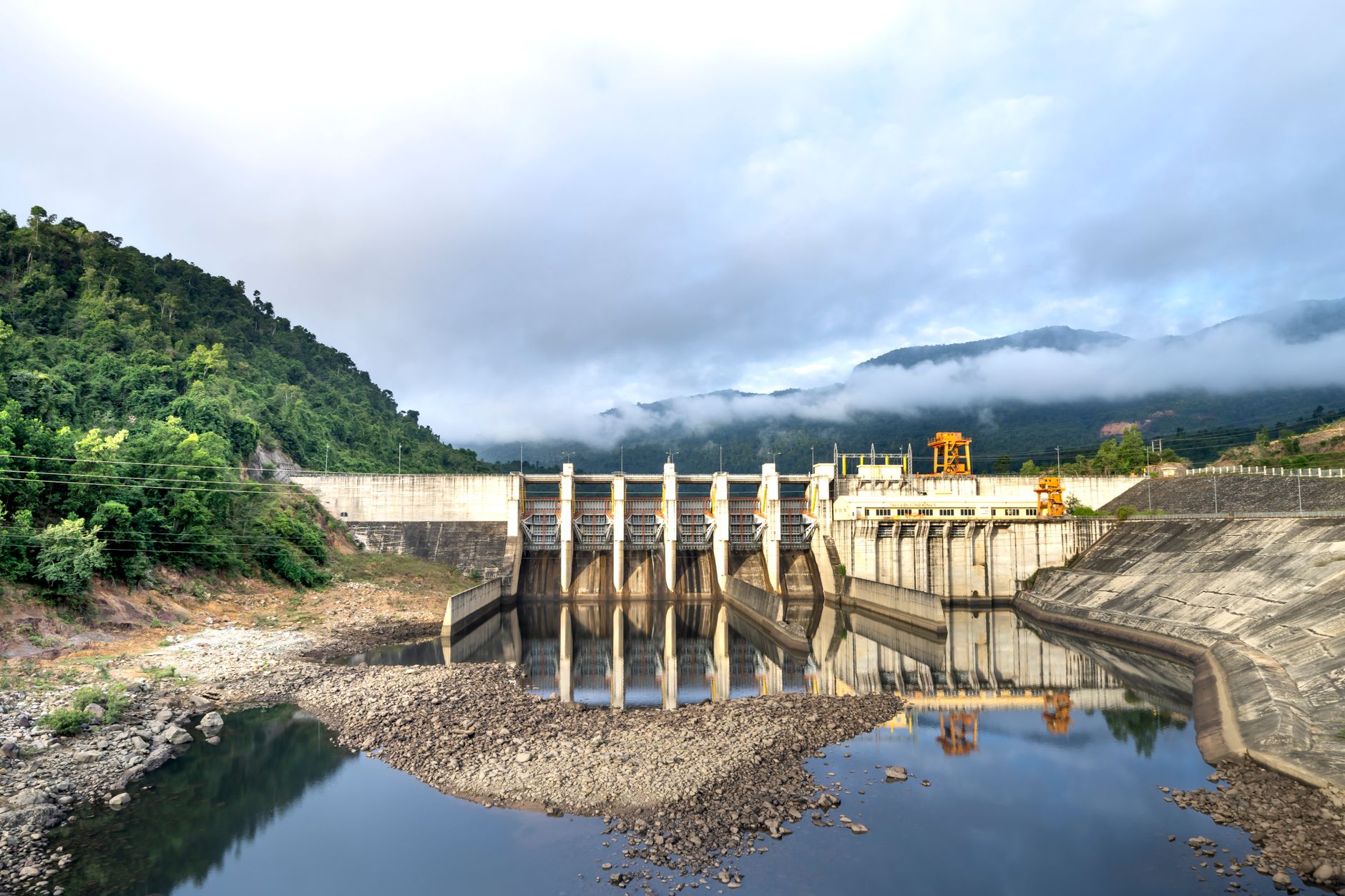
Hydropower revenue bonds are debt instruments issued by public utilities, power authorities, and regional water agencies to finance the construction, upgrade, or long-term operation of hydroelectric facilities. Unlike general obligation bonds, which are backed by the full taxing power of a government, revenue bonds are repaid solely from the cash flows generated by the project itself – in this case, electricity sales. That structure means investors are essentially underwriting the long-term performance of a dam and its generating capacity, not the creditworthiness of a municipality’s tax base.
The appeal for pension funds starts with duration. Large public pension systems carry liabilities that stretch 20, 30, sometimes 40 years into the future, and finding fixed-income assets with matching maturity profiles is a persistent challenge. Hydropower revenue bonds frequently come with terms of 20 to 30 years, sometimes longer when they finance major infrastructure overhauls. That long runway allows pension funds to lock in yields without constantly rolling over shorter-dated paper, reducing reinvestment risk and simplifying liability matching.
There is also the question of revenue predictability. Hydroelectric plants, once built and operating, carry relatively low variable costs compared to fossil fuel facilities. Water is free. Turbines and generators require maintenance, but the operating cost structure is largely fixed. Power purchase agreements – long-term contracts under which utilities agree to buy electricity at a set price – often backstop the revenue stream behind these bonds. A bond supported by a 25-year power purchase agreement with a creditworthy utility counterparty looks very different from a bond relying on spot market electricity prices.
Public pension funds have also grown more attentive to asset categorization. Hydropower bonds frequently qualify under environmental, social, and governance frameworks as green infrastructure debt. Many state pension systems now face legislative mandates or board-level policies requiring some allocation to assets that meet climate-related criteria. Hydropower, as a non-combustion energy source with no direct carbon emissions at the generation level, fits that definition comfortably – even if debates about its broader ecological footprint, particularly around river ecosystems and fish migration, remain unresolved in policy circles.

The Mechanics of the Trade and the Risks Attached to It
Pension fund accumulation in this market is not happening through a single dramatic purchase. It typically unfolds through secondary market acquisitions over months or years, where portfolio managers and fixed-income teams quietly add to positions across multiple bond series from the same issuer or related regional authorities. A fund managing tens of billions in assets can build a meaningful hydropower revenue bond allocation without triggering significant price movement, particularly in a market segment where institutional trading desks, not retail investors, dominate the order flow. This patient accumulation strategy shares structural logic with how pension funds have approached toll bridge revenue bonds, another category of long-duration infrastructure debt that rewards quiet, disciplined accumulation over splashy entries.
Credit quality varies considerably within the hydropower revenue bond universe. Bonds issued by large federal power marketing administrations or by well-established public utility districts with diversified generating portfolios sit at a very different risk level than bonds tied to a single small dam operated by a rural cooperative. Pension fund buyers tend to concentrate in investment-grade paper, typically rated A or higher, where default risk is historically low but yield still exceeds comparable-duration Treasury securities by a meaningful margin. That spread – the premium an investor earns for accepting revenue bond risk over government debt – is the core return driver.
Hydrological risk deserves direct attention. A hydropower plant’s output depends on water flow, and water flow depends on precipitation and snowpack. Multi-year drought conditions in the American West have reduced generation at facilities that were once considered highly reliable. Some bonds issued against projects in drought-prone regions have seen their debt service coverage ratios tighten as generation fell short of projections. Pension fund managers evaluating hydropower bonds now typically examine hydrological studies and historical flow data alongside the financial statements, treating precipitation variability as a material credit consideration rather than a footnote.
Climate change complicates that calculus further. Facilities designed around historical rainfall patterns may be operating in conditions their engineers did not model. Some western river systems are projecting structural flow reductions over multi-decade horizons – precisely the time frame that long-duration bonds cover. A 30-year bond issued today will mature in the mid-2050s, when hydrological conditions across the Colorado River basin, for instance, could look substantially different from what current operating data suggests. Whether bond covenants and reserve requirements adequately account for that uncertainty is a question worth asking before committing capital at current spreads.
On the other side of that risk sits geographic and regulatory diversification. The Pacific Northwest, with its extensive Columbia River system and historically reliable snowpack-driven flows, offers a different risk profile than desert Southwest projects. The Tennessee Valley Authority, Bonneville Power Administration, and various large public utility districts in Washington and Oregon have issued hydropower-backed debt with long track records of uninterrupted debt service. Pension funds tend to prefer these established issuers for core allocations, reserving any tolerance for newer or smaller projects for satellite positions within a broader infrastructure debt sleeve.
What the Accumulation Pattern Signals

The steady drift of pension capital into hydropower revenue bonds reflects a straightforward calculation: in a market where truly long-duration, investment-grade, non-government yield is scarce, water-backed infrastructure debt fills a gap that few other instruments can match. The fact that it also satisfies green investment criteria gives fund trustees a secondary justification that is increasingly useful in the current political environment around public pension management.
What pension funds are betting on, ultimately, is the durability of electricity demand and the position of hydropower as a dispatchable, baseload-capable renewable resource – one that wind and solar cannot fully replicate because it can generate on command rather than only when conditions allow. If grid operators continue to value that dispatchability as variable renewables expand, the revenue streams behind these bonds should hold. If energy storage technology matures fast enough to make dispatchability a commodity rather than a premium, the competitive position of hydropower utilities changes, and the credit assumptions embedded in today’s bond prices deserve another look.
Frequently Asked Questions
What are hydropower revenue bonds?
They are debt instruments issued by utilities or public agencies to finance hydroelectric projects, repaid from electricity sales revenue rather than tax receipts.
Why do pension funds prefer long-duration bonds like these?
Pension funds hold liabilities stretching decades into the future and need assets with matching maturities to reduce reinvestment risk and stabilize their funding ratios.