
The Quiet Pivot Into Industrial Chemistry Infrastructure
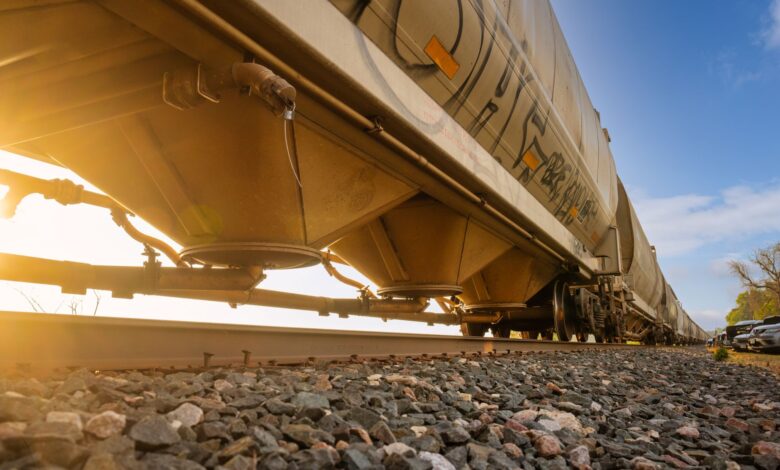
Pension funds have spent the past decade searching for yield in places traditional fixed-income markets no longer provide it. The playbook – toll roads, airport terminals, data center power agreements – is familiar. What is less familiar, and drawing growing attention from asset managers who specialize in real asset infrastructure, is a niche corner of the rail freight world: long-term leases on tank cars certified to carry hydrogen peroxide, a hazardous industrial chemical with a surprisingly stable and growing demand base.
The appeal is not obvious at first glance. Hydrogen peroxide is not a glamorous commodity. It does not generate headlines the way lithium or copper does. But the economics of specialized tank car leasing share several features that institutional investors have learned to prize: contractual cash flows, high replacement costs that protect incumbents, and industrial customers who cannot easily switch suppliers or logistics providers mid-contract.
Why Hydrogen Peroxide, and Why Now
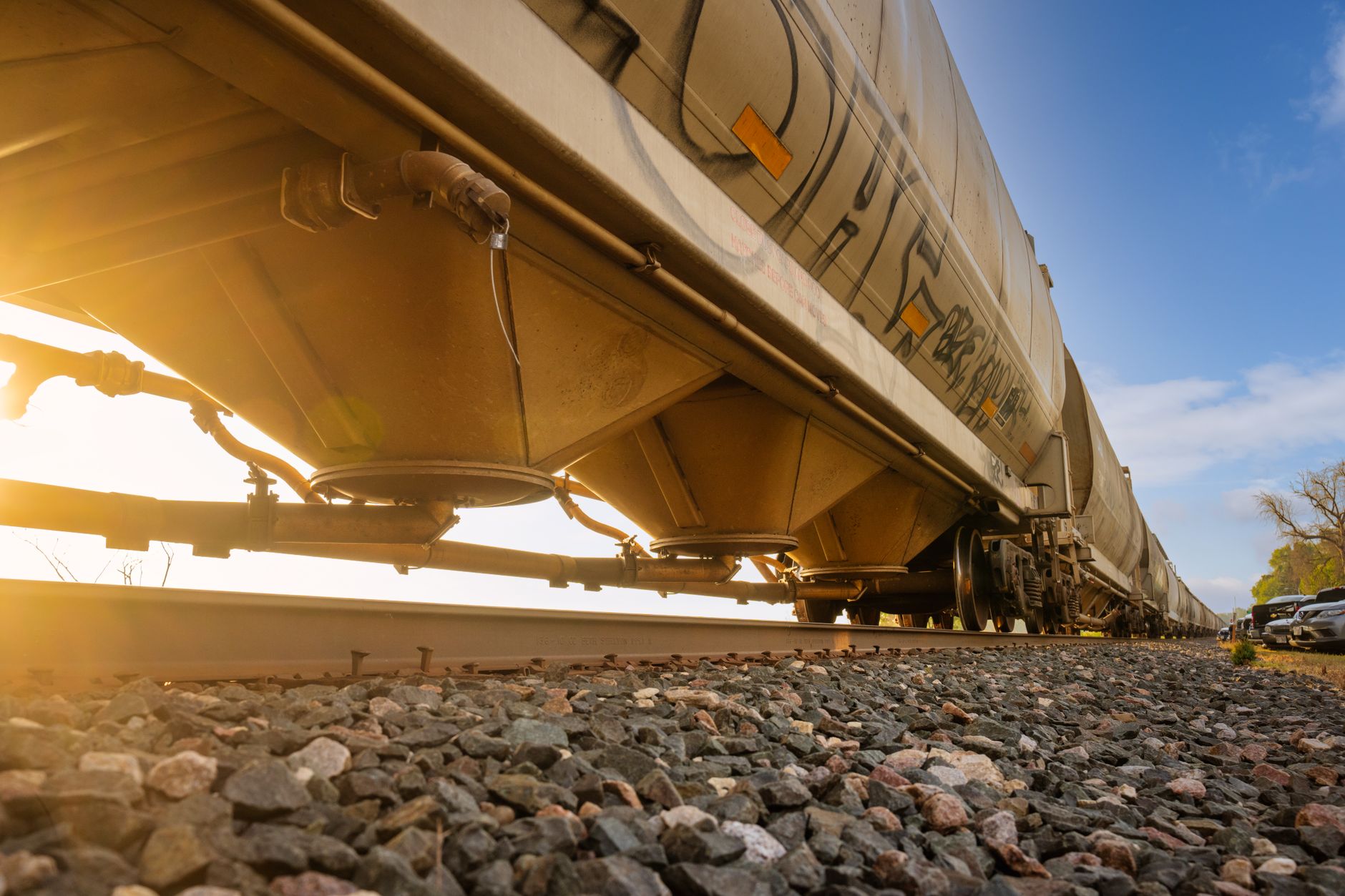
Hydrogen peroxide is used across a broad range of industrial processes – pulp and paper bleaching, semiconductor wafer cleaning, textile treatment, and increasingly as a component in propulsion and energy applications. The chemical is corrosive and requires specialized, pressure-rated stainless steel tank cars to move safely by rail. Those cars are expensive to build, require specific maintenance certifications, and sit within a tightly regulated framework governed by federal hazardous materials transport rules. That regulatory barrier is part of what makes the lease stream attractive: you cannot simply substitute a standard tank car when a contract expires.
The supply of certified hydrogen peroxide rail cars is finite and slow to expand. Building new cars to specification takes time and capital, and the manufacturers who do it are few. That supply constraint, combined with steady industrial demand, keeps utilization rates high on existing fleets – which is exactly the condition under which long-term lease income becomes predictable enough to model into a pension portfolio with reasonable confidence.
Lease terms in this segment typically run between five and fifteen years, with creditworthy counterparties that include large chemical producers and industrial gas companies. For a pension fund managing liabilities that extend thirty or forty years into the future, those lease durations still require rolling reinvestment, but the staggered structure of a diversified fleet means cash flows can be laddered in much the same way a bond portfolio is managed. The difference is that the underlying asset – a physical rail car with a certified use case – tends to hold residual value in ways that paper instruments do not.
How Pension Capital Actually Enters This Market
Direct ownership of a rail car fleet is not how most pension funds access this exposure. The more common route is through infrastructure fund vehicles managed by specialist asset managers, some of which have built dedicated transportation equipment platforms that aggregate leases across multiple chemical categories. Hydrogen peroxide cars may sit alongside chlorine cars, liquefied petroleum gas tankers, and other hazardous commodity equipment within a single portfolio structure. The pension fund holds a limited partnership interest and receives distributions tied to net lease income after operating costs.
A smaller number of larger funds – those with internal infrastructure teams and the legal and operational capacity to manage direct assets – have begun acquiring interests in rail car leasing companies outright, or co-investing alongside manager-led deals at the asset level. This mirrors the approach sovereign wealth funds have taken in other commodity logistics segments, where direct stakes in throughput infrastructure offer better margin capture than fund-of-fund structures. The logic is the same: cut the fee layer, own the cash flow directly.
The Risk Calculus Behind the Trade
The risk profile of hydrogen peroxide car leases is not simple, and pension fund investment committees have had to work through several layers of analysis before committing capital. Regulatory risk sits near the top of that list. Federal hazardous materials rules can change, and a regulatory shift that alters permissible car specifications or imposes costly retrofits on existing equipment could compress the economics of a fleet built under older standards. That risk is real but historically slow-moving – the regulatory agencies governing rail hazmat transport tend to act incrementally, giving fleet owners time to adjust.
Credit concentration is the second major concern. If a lease portfolio is heavily weighted toward one or two industrial customers, the fund’s income stream is exposed to those companies’ financial health. The mitigation is diversification across end-use sectors: a fleet leased to paper mills, semiconductor fabs, and textile producers simultaneously carries different demand drivers, making it unlikely that all three would contract sharply at the same time. That cross-sector spread is something specialist managers have prioritized as they build out these platforms.
Environmental liability is the third dimension, and the one that requires the most careful underwriting. Hydrogen peroxide spills are a cleanup obligation, and the ownership question – whether the car lessor or the chemical shipper bears primary liability in an incident – is a point of contractual negotiation that varies deal by deal. Pension funds entering through fund vehicles are typically insulated from direct liability by the legal structure of the operating entity, but they are not entirely removed from headline risk if a significant incident occurs and the operator’s name appears in regulatory filings or litigation.
Despite those complications, the fundamental case holds up under scrutiny. The combination of high replacement cost assets, regulated industry counterparties, long lease durations, and genuine supply constraints gives this niche a return-per-unit-of-risk profile that compares favorably to conventional infrastructure categories that have been bid up over the past decade. A toll road in a saturated market may now price at twelve to fourteen times EBITDA. A well-structured hydrogen peroxide fleet with similar contractual certainty may still price closer to eight or nine times – a gap that reflects obscurity rather than inferior fundamentals. Whether that gap closes as more institutional capital discovers the category is the question fund managers in this space are watching closely.

Frequently Asked Questions
Why are pension funds investing in hydrogen peroxide rail car leases?
These leases offer long-term contractual cash flows, creditworthy industrial counterparties, and supply-constrained assets that hold residual value – features pension funds prize for liability matching.
How do pension funds access hydrogen peroxide rail car lease investments?
Most access this market through specialist infrastructure fund vehicles that aggregate chemical tank car leases, though some larger funds co-invest or acquire direct stakes in leasing platforms.