
The Quiet Accumulation Beneath Your Feet
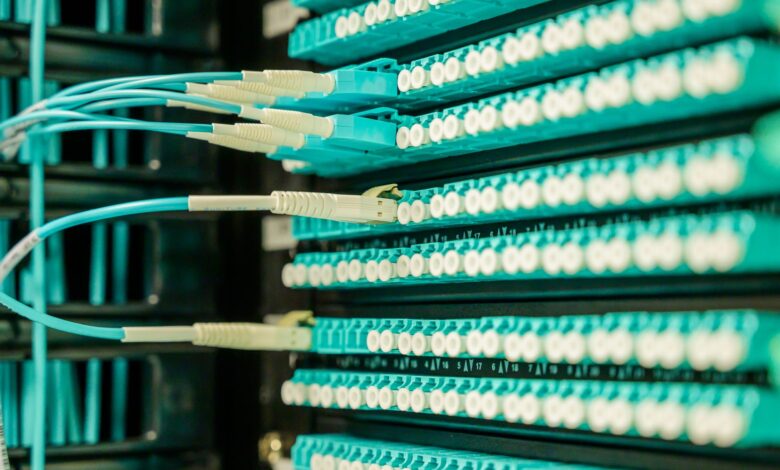
Fiber optic cable networks run under streets, across ocean floors, and through building risements – and increasingly, the leases attached to those networks are being treated as financial instruments rather than operational afterthoughts. Pension funds, which manage retirement savings for millions of teachers, firefighters, and public employees, have been building positions in these lease agreements at a pace that has gone largely unreported outside of institutional investment circles. The mechanics are straightforward: a telecom operator owns the cable but not always the land or conduit it runs through, creating a recurring royalty-style payment stream that looks attractive to any fund with a 30-year liability horizon.
This is not a niche corner of the market anymore. Over the past several years, large public pension funds across North America and Europe have either directly acquired fiber lease portfolios or invested through infrastructure funds that specialize in them. The appeal is durable cash flow with low correlation to equity markets – exactly what a fund paying out monthly retirement checks needs. What makes this moment notable is the scale at which capital is now flowing into an asset class that most retail investors have never heard of.
Why Fiber Leases Behave Like Infrastructure Bonds
A fiber optic lease functions similarly to a ground lease under a cell tower or a right-of-way agreement for a pipeline. The operator pays a recurring fee – monthly or annually – for access to conduit, easements, or building risers. These contracts typically run for decades, with built-in escalation clauses tied to inflation or fixed annual increases. For a pension fund, that structure mirrors the shape of a bond without the interest rate sensitivity that comes with fixed-income securities. When rates rise, bond prices fall, but a fiber lease payment with a 2 to 3 percent annual escalator keeps growing regardless of what the Fed does. This is one reason why pension allocation committees have been willing to reclassify these holdings as infrastructure rather than alternative credit.
The underlying demand story also supports long-term conviction. Bandwidth consumption continues to grow as streaming, remote work, and AI-driven data processing expand. Fiber is the backbone of all of it. A pension fund buying into a lease portfolio is not betting on which telecom company wins market share – it is betting that someone, somewhere, will always need that cable in the ground. That distinction matters enormously when you are managing a fund that cannot afford to be wrong for a decade.
This strategy shares structural DNA with hedge fund positions in cell tower lease buyouts, where the logic is nearly identical: own the passive infrastructure layer, collect the rent, and let the technology on top of it evolve without exposing yourself to that volatility. Pension funds are applying the same framework to fiber, but with longer hold periods and lower return targets that match their lower cost of capital.
Crucially, fiber lease portfolios also offer geographic diversification in a way that single-asset infrastructure often does not. A portfolio might hold lease rights across dozens of metropolitan markets, reducing the risk that any one city’s economic slowdown affects total cash flow. The aggregation of these small, durable royalty streams into a single investable vehicle is what has made pension participation practical at scale.

How Pension Funds Are Getting Access
Direct acquisition is one route, but it requires operational expertise that most pension funds do not have in-house. The more common path is through infrastructure funds – vehicles raised specifically to acquire and manage lease portfolios on behalf of institutional investors. These funds handle the legal complexity of lease assignments, the negotiations with building owners and municipalities, and the ongoing administration of hundreds or thousands of individual agreements. For a pension fund, writing a check into one of these vehicles is far more efficient than building a dedicated team to buy leases one by one.
A smaller number of large pension funds – those with assets in the tens or hundreds of billions – have started building internal infrastructure desks capable of direct deals. These funds can negotiate directly with telecom companies looking to monetize their lease portfolios through sale-leaseback arrangements. In a sale-leaseback, the telecom sells the lease rights to the pension fund and then continues paying rent for access, freeing up capital for network expansion while giving the pension fund a long-term income stream. It is a transaction that serves both parties cleanly.
The Risk Profile That Makes Regulators Pay Attention
No asset class is without risk, and fiber lease portfolios carry some that are easy to underestimate. Technology obsolescence is the most discussed concern – if a future wireless technology renders fiber-to-the-premise connections redundant, demand for the underlying conduit could erode. Most industry observers dismiss this scenario over a 10 to 20 year time horizon, since fiber capacity scales far beyond current wireless alternatives, but it remains a legitimate tail risk for a fund with a 30-year outlook.
Counterparty concentration is a more immediate concern. Many fiber lease portfolios are anchored by payments from a small number of large telecom operators. If one of those operators restructures or renegotiates contracts during a bankruptcy, the cash flow picture changes abruptly. Pension funds are therefore paying close attention to how lease agreements are structured – specifically whether they contain assignment protections and change-of-control provisions that survive corporate transactions.

Regulatory scrutiny has also increased as pension funds have grown more active in infrastructure markets broadly. Some state pension boards now require specific disclosure when a fund holds more than a threshold percentage of its portfolio in non-traditional infrastructure assets. This has pushed fund managers to be more deliberate about how they categorize fiber lease holdings – whether they sit in the infrastructure bucket, the real assets bucket, or a hybrid category that different boards treat differently. The classification question is not academic. It determines how much capital the fund can allocate and what reporting obligations follow.
Valuation methodology is another pressure point. Unlike publicly traded securities, fiber lease portfolios are marked to model rather than to market. The assumptions baked into those models – discount rates, lease renewal probabilities, escalation rates – have a significant effect on reported portfolio value. When interest rates rose sharply, some funds found that their infrastructure valuations held up better than their fixed income books, which created favorable optics but also drew scrutiny from actuaries and auditors questioning whether the models were being updated aggressively enough to reflect a changed rate environment. That tension between reported stability and actual market conditions has not fully resolved.