Sovereign Wealth Funds Quietly Accumulate Positions in Seaport Terminal Leases

The Quiet Pivot to Port Infrastructure
Sovereign wealth funds – the state-controlled investment pools managing trillions in national reserves – are making a concerted move into seaport terminal leases, a corner of global infrastructure that rarely generates headlines but consistently generates returns.
Why Terminal Leases, and Why Now
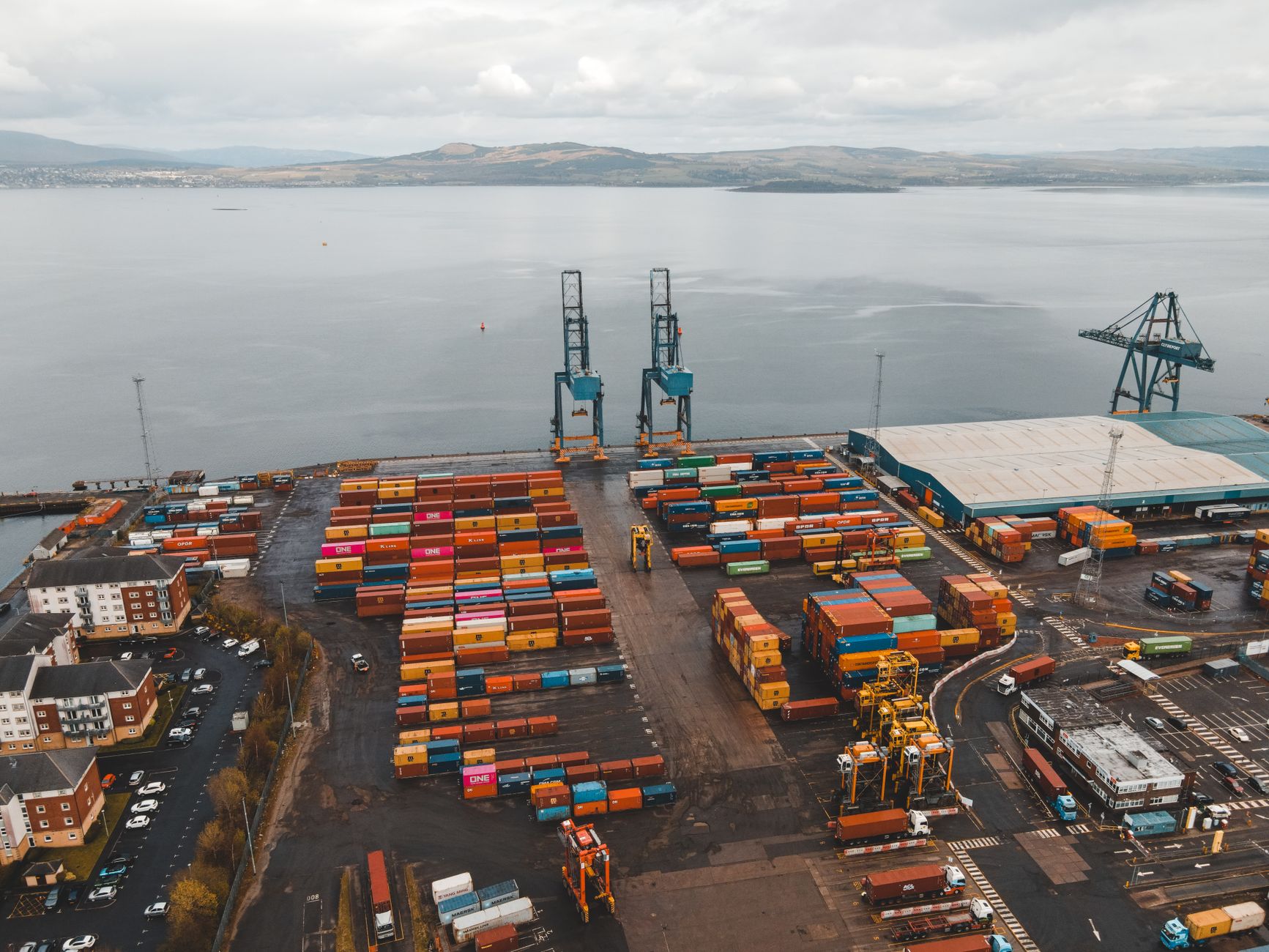
A seaport terminal lease is not a glamorous asset. It is a long-term contractual right to operate a specific berth, container yard, or cargo facility at a major port – typically running 30 to 50 years, with fees structured around throughput volume, fixed rent, or a combination of both. The appeal to large institutional pools of capital is not growth in the conventional sense. It is duration, predictability, and the near-impossibility of substitution. A shipping line that has routed its network through a particular terminal does not casually walk away.
The strategic calculus for sovereign funds is straightforward. National port authorities, particularly in developing economies, have been offloading terminal operating rights to private concessionaires for decades. What has changed recently is the secondary market for those concession stakes – the buying and selling of existing lease positions rather than bidding on new ones. Sovereign funds are increasingly active buyers in that secondary layer, acquiring partial or full stakes from the original concessionaires who took on development risk and now want liquidity.
This matters because secondary acquisitions carry a different risk profile than greenfield port development. The terminal is already built, the shipping contracts are in place, and the revenue stream has a track record. Sovereign funds, which tend to have long investment horizons and conservative return targets, are well-suited for exactly this kind of de-risked, income-producing asset. The typical internal rate of return on a mature terminal lease falls in a range that would disappoint a private equity fund but looks attractive when measured against sovereign bond yields in a low-rate or uncertain rate environment.
There is also a geopolitical dimension that cannot be ignored. Control over terminal capacity at key chokepoints – the Strait of Malacca, the Suez Canal corridor, major transshipment hubs in the Mediterranean – carries strategic value beyond pure financial return. For Gulf state funds, Asian sovereign vehicles, and Norwegian-style general reserve funds alike, a port terminal lease is simultaneously a financial asset and a piece of economic geography. That dual nature is part of what makes these positions worth accumulating quietly, without fanfare.
The Mechanics of Accumulation
The phrase “quietly accumulate” is not rhetorical. Sovereign funds rarely announce terminal lease acquisitions the way a corporation might announce a merger. The deals flow through holding company structures, often registered in jurisdictions like Luxembourg, Singapore, or the Cayman Islands, and the ultimate beneficial owner is sometimes several layers removed from the entity named in the port concession agreement. Disclosure requirements vary widely depending on the host country’s regulatory framework, and in many cases there is no mandatory public filing when a stake in a terminal operating company changes hands.
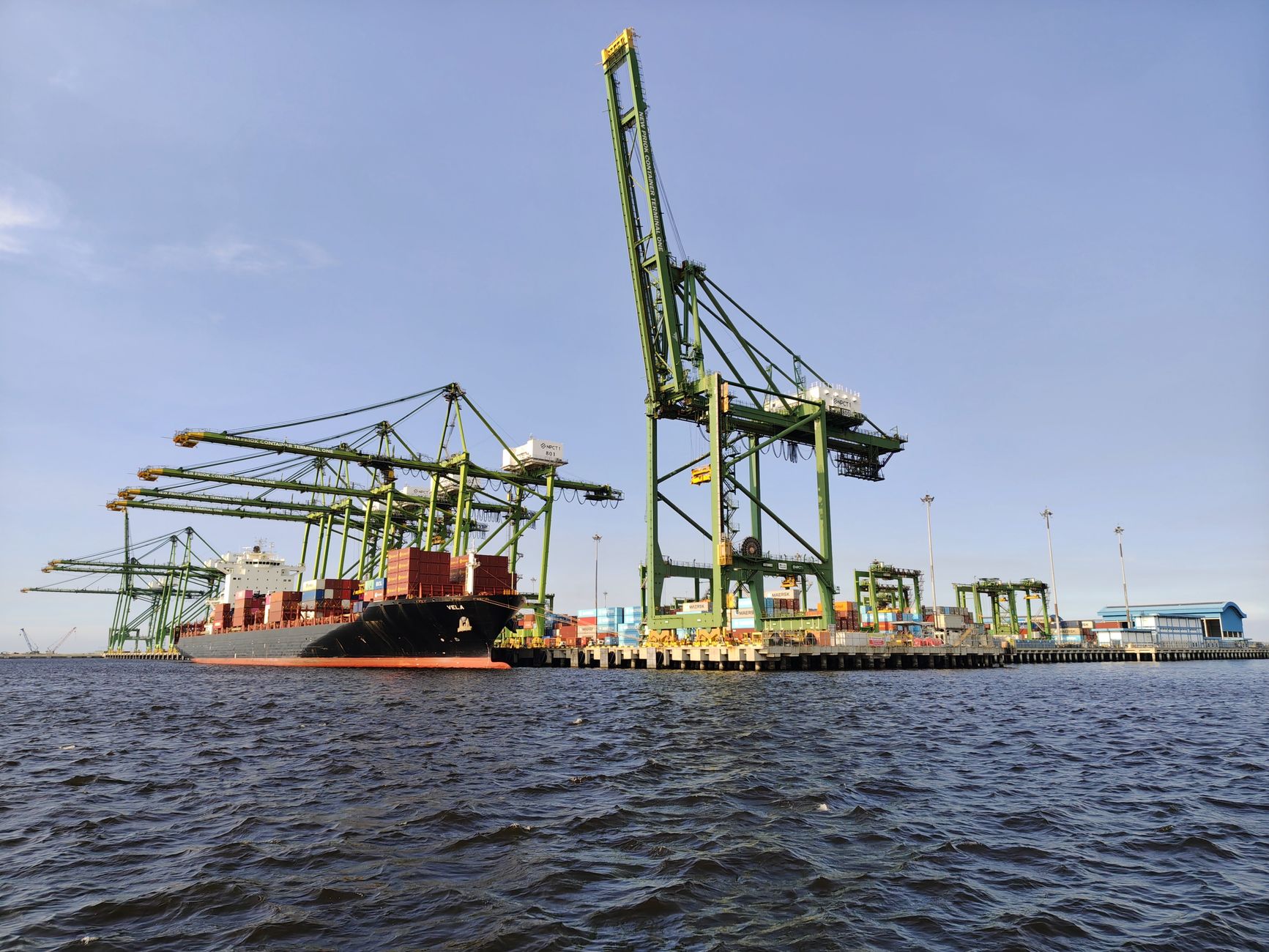
The structure of a typical deal involves a sovereign fund acquiring an equity stake in a terminal operating company rather than the lease itself. The operating company holds the concession, manages labor and equipment, and collects the throughput fees. The sovereign fund sits at the holding level, collecting dividends and appreciating the equity value of the concession as remaining lease duration and volume throughput are priced by the market. In some cases, sovereign funds have partnered with established terminal operators – the large port handling groups that have global networks – to co-invest in specific assets while the operator retains management control. This arrangement gives the sovereign fund financial exposure without operational responsibility.
Financing these positions adds another layer of complexity. Sovereign funds occasionally use leverage at the asset level, borrowing against the cash flows of the terminal to amplify returns. Infrastructure debt markets have been willing participants, with project finance lenders comfortable underwriting against contracted shipping volumes and concession terms. This is particularly true when the sovereign fund itself carries an implicit or explicit government guarantee, which lowers the cost of debt and makes the overall return structure more efficient. The pattern is not unlike what hedge funds have done building stakes in airport slot leasing agreements, where long-duration contracted rights serve as collateral for relatively cheap institutional financing.
Valuation is the thorniest issue in this market. Terminal leases do not trade on any exchange, and comparable transaction data is sparse and often confidential. The primary valuation inputs are throughput volume projections, contracted shipping line relationships, remaining concession duration, and port expansion optionality. A terminal with 20 years remaining on its lease at a port handling significant container volumes commands a very different multiple than one with 8 years left at a secondary facility. Sovereign funds with in-house infrastructure teams have developed proprietary models for this, but the opacity of the market means that price discovery is genuinely difficult and buyers with patient capital have an advantage over sellers who need liquidity on a timeline.
Port authorities themselves have become more sophisticated counterparties over time. A generation ago, many national port authorities signed concession agreements that heavily favored the private operator because they needed the capital and expertise. More recent concession renewals and renegotiations have pushed for higher throughput guarantees, revenue-sharing provisions that escalate with volume, and reversion clauses that give the authority more control if performance benchmarks are not met. This means sovereign funds entering today’s market are buying into a more balanced contractual environment than the original concessionaires enjoyed – which is simultaneously a constraint on upside and a reassurance about regulatory stability.
Concentration Risk and the Limits of the Strategy
The accumulation strategy is not without real risk. Terminal lease revenues are tied to global trade volumes, which are sensitive to economic cycles, shipping route shifts, and the kind of supply chain disruption that can reroute container flows with very little notice. A terminal that handles significant volumes from a single trading relationship – say, a major manufacturing corridor that has political or tariff exposure – carries concentration risk that a diversified portfolio of terminal stakes can only partially mitigate. The 2021-2022 supply chain disruptions demonstrated how quickly throughput at specific terminals could spike or collapse depending on where congestion formed, and lease structures do not always protect operators from volume volatility.

There is also a question of what happens when sovereign funds from rival nations are both accumulating positions at the same strategically sensitive ports. Host governments have begun paying closer attention to the beneficial ownership of terminal operating companies, and several jurisdictions have introduced or tightened national security reviews for infrastructure acquisitions. A sovereign fund that acquires a terminal lease position today may find that the regulatory environment around that position looks meaningfully different in five years – not because the lease terms changed, but because the political context around foreign state ownership of port infrastructure has shifted in ways that affect operational freedom and potential exit value.