
Sovereign Wealth Funds Quietly Accumulate Positions in Airport Fuel Hydrant Leases


The Infrastructure No One Talks About
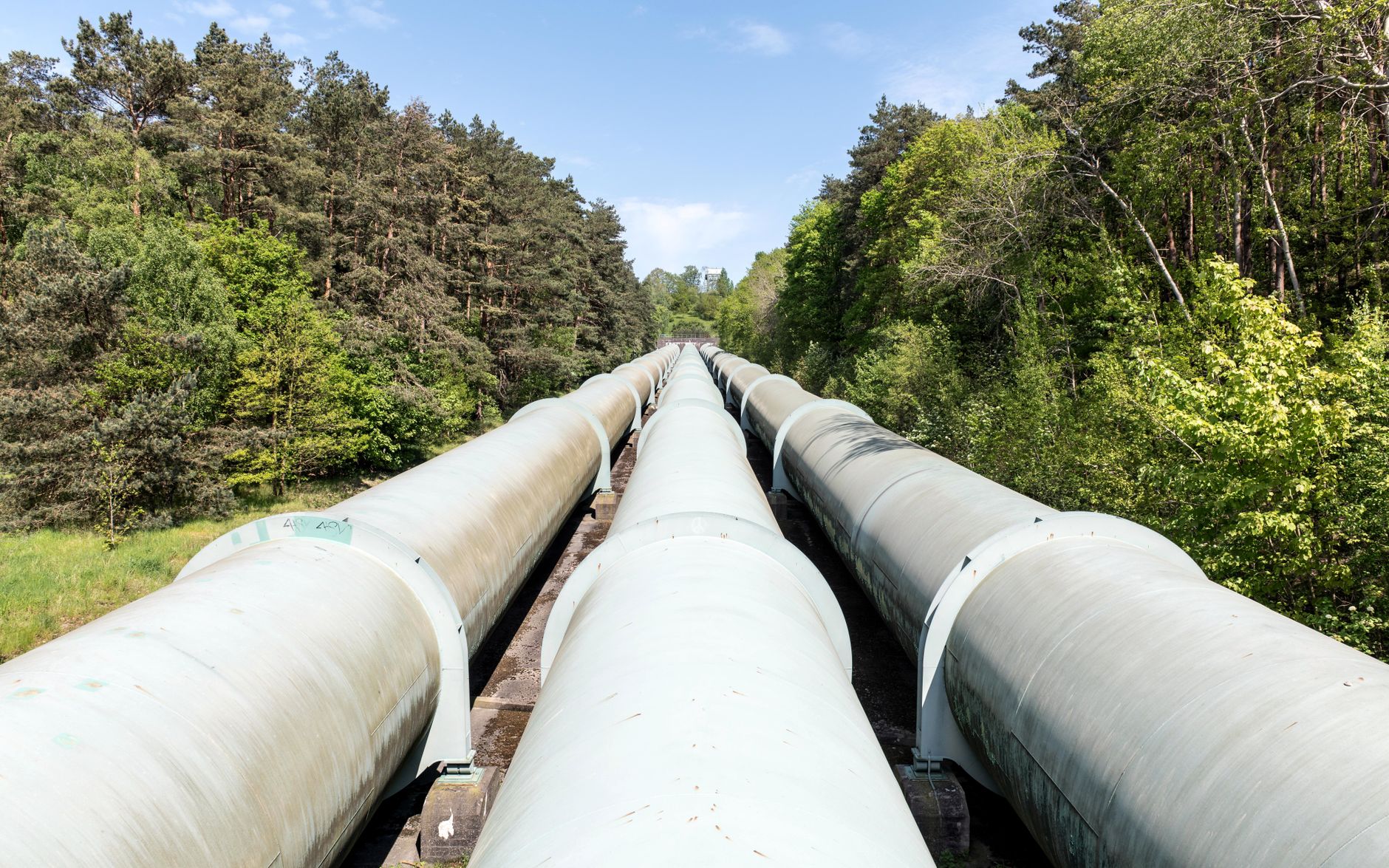
Buried beneath the tarmac at major international airports, running for miles in networks that most passengers never think about, are the fuel hydrant systems that make modern aviation possible. These underground pipelines deliver jet fuel directly to aircraft stands, eliminating the need for tanker trucks on busy aprons and cutting turnaround times significantly. The physical infrastructure is unglamorous by any measure – steel pipes, hydrant pits, metering units – but the commercial rights attached to operating them tell a very different story.
Sovereign wealth funds from the Gulf, Southeast Asia, and Scandinavia have been steadily building positions in the leases and concession agreements that govern these systems, often through intermediary infrastructure vehicles that keep their names off the headline transaction. The accumulation has been quiet by design. These are not the kind of deals that generate press conferences or ribbon-cuttings. They are long-dated contractual cash flows dressed in overalls, and the world’s largest pools of patient capital have noticed.

Why Hydrant Leases Work as an Asset Class
The investment case rests on a few structural realities. First, airports cannot function without fuel delivery infrastructure, and the hydrant system is the most efficient method at any airport handling significant traffic. That creates a captive demand profile that is essentially immune to competitive disruption. An airline may switch loyalty programs or renegotiate gate fees, but it cannot choose a different underground pipe network. The operator of the hydrant concession holds a monopoly position on a service that aviation cannot operate without.
Second, the lease structures attached to these concessions tend to be exceptionally long. Agreements running 25 to 40 years are common, partly because the upfront capital cost of building or refurbishing a hydrant system requires a long runway for the operator to recover the investment. For a sovereign wealth fund managing liabilities measured in decades – pension obligations, intergenerational wealth mandates, national stabilization goals – that duration is not a liability. It is the whole point. Inflation linkage is often baked into the throughput fees or minimum volume guarantees that anchor the revenue model.
Third, the throughput fees – typically charged per liter of fuel delivered through the system – are largely insensitive to fuel price volatility. The operator earns on volume, not on the commodity price itself. When jet fuel prices spike, airlines absorb that cost directly. The hydrant operator continues collecting its service margin regardless. This decoupling from commodity exposure is exactly the kind of structural protection that large institutional allocators spend considerable effort trying to construct in other parts of their portfolios.
How Sovereign Funds Are Entering the Market
Direct lease ownership is one pathway, but not the most common one for funds at this scale. More frequently, sovereign vehicles acquire stakes in the specialist infrastructure managers who have assembled portfolios of hydrant concessions across multiple airports. These platforms – typically based in London, Sydney, or Singapore – hold agreements at airports across several jurisdictions, which provides diversification and reduces the regulatory risk tied to any single airport authority’s decisions. A concession renegotiation at one hub does not threaten the entire portfolio.
Some sovereign funds have gone further, co-investing directly alongside these managers in individual airport systems when the asset is large enough to justify the transaction costs. Major hub airports in Europe and the Asia-Pacific region have seen the most activity, partly because the throughput volumes at those locations make the revenue streams substantial enough to attract billion-dollar allocators. Regional airports are generally left to smaller infrastructure funds or the aviation fuel companies themselves, who have their own strategic reasons for controlling fuel delivery infrastructure. The sovereign fund interest is concentrated at the top of the traffic volume curve.
The Strategic Logic Beyond Yield
Pure yield is part of the story, but sovereign wealth funds are not chasing the same return metrics as a private equity fund working to a five-year exit. The real attraction is the combination of yield, duration, and what can loosely be described as systemic embeddedness. A fund that holds a 35-year hydrant concession at a major international airport is not just earning throughput fees. It holds a contractual relationship with an airport authority, an established position in the local regulatory framework, and in some cases preferential rights on any renegotiation or extension. That is a different kind of asset from a bond or an equity stake.
There is also a geopolitical dimension that does not appear in any prospectus. Nations that accumulate infrastructure positions at foreign airports acquire a form of soft presence in those countries’ critical transport networks. This has prompted some governments to tighten review processes for airport infrastructure transactions involving state-backed acquirers. Australia updated its foreign investment framework to capture certain airport-related infrastructure concessions. Several European Union member states have applied heightened scrutiny to transactions where the buyer has sovereign backing from outside the EU. These reviews add friction and time to deals but have not stopped the accumulation – they have simply pushed it toward structures where the sovereign fund sits further back in the ownership chain.
The accumulation of long-dated royalty and concession assets across energy and transport infrastructure follows a consistent logic for these funds: find the regulated chokepoint, secure a long-term contractual right to the cash flow it generates, and hold. Airport fuel hydrant systems fit that template precisely. The barriers to entry are physical – you cannot build a competing underground system beneath an existing airport – and regulatory, since concessions are typically awarded through competitive tender and then locked up for decades.

What makes the current moment worth watching is the supply constraint beginning to appear in this market. The number of major hub airports where hydrant concession rights are available for acquisition or investment is finite, and several of the most attractive systems in Western Europe and North America are now held by long-term owners with no incentive to sell. As available inventory tightens, the funds that moved early are sitting on positions that carry both income and scarcity value. The funds still building their infrastructure allocations are finding that the entry price for these assets has moved considerably – and that the pipeline of new opportunities looks thinner than it did five years ago.