
Endowments Quietly Accumulate Positions in Nuclear Plant Decommissioning Trusts

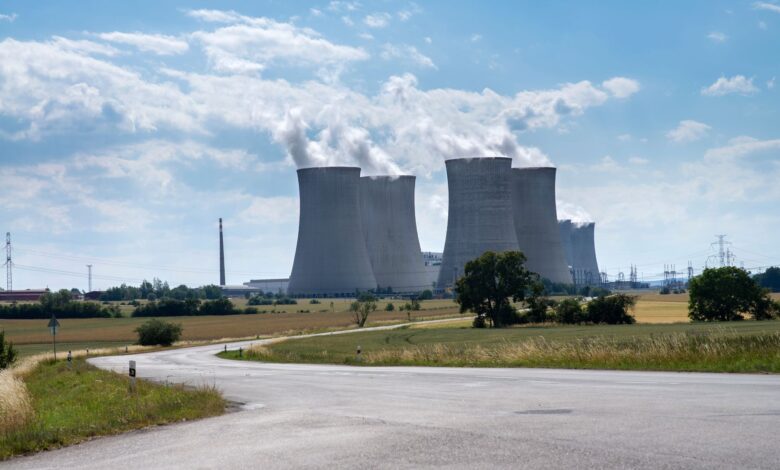
The Quiet Accumulation Nobody Is Talking About
Nuclear plant decommissioning trusts hold hundreds of billions of dollars in assets – money set aside by utilities to fund the eventual cleanup and dismantling of reactors when they reach the end of their operating lives. These trusts are federally mandated, tightly regulated, and historically dominated by conservative fixed-income allocations managed by the utilities themselves. University endowments and institutional investment offices are now moving into this space, and they are doing it with very little fanfare.
The appeal is straightforward: decommissioning trust funds generate long-duration, relatively predictable cash flows tied to regulatory obligations rather than market sentiment. For endowments that think in 20- and 30-year windows, that profile is genuinely attractive. The irony is that the same nuclear industry many campuses protested in the 1980s is now quietly funding their operating budgets through these investment vehicles.
What Decommissioning Trusts Actually Are
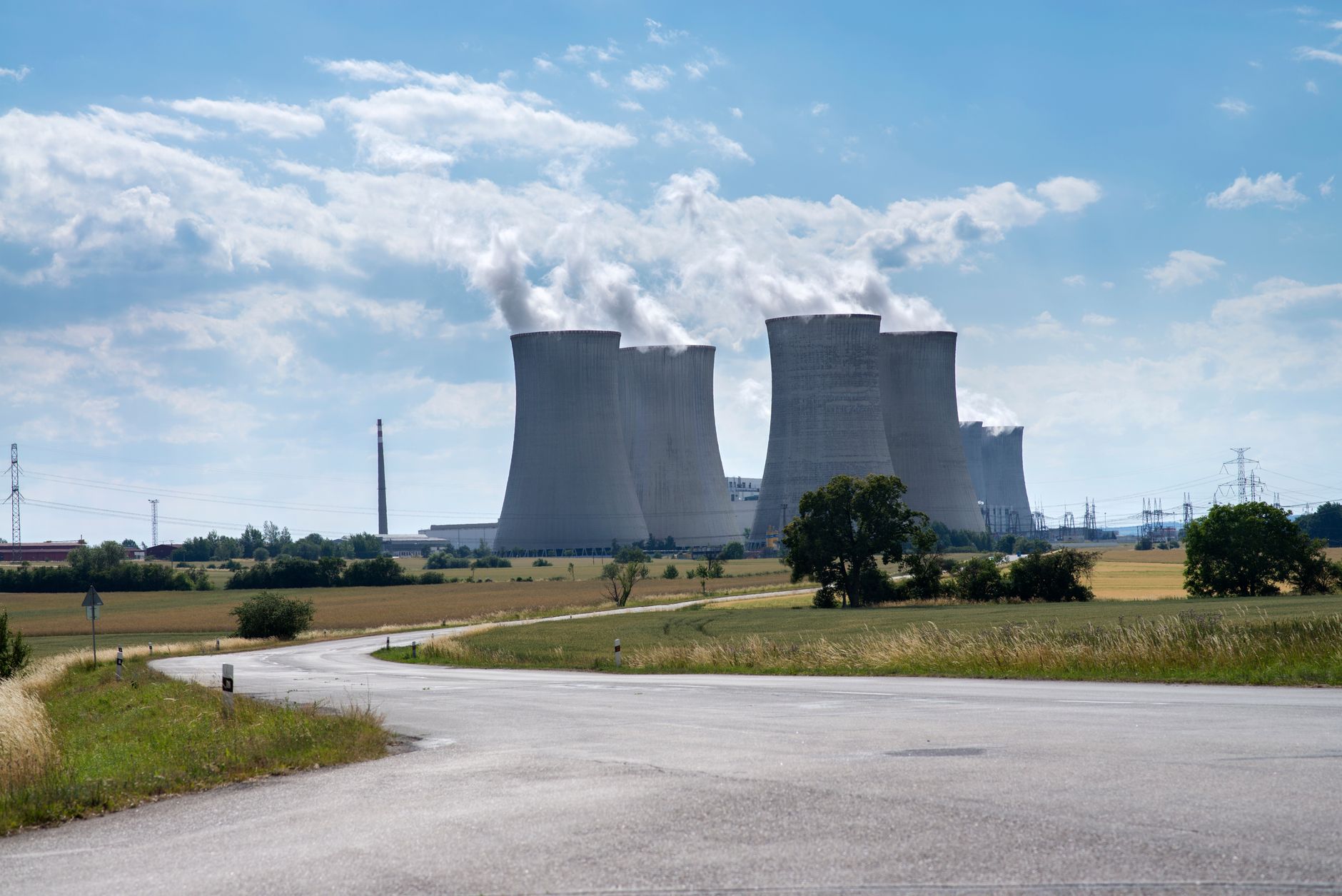
When a nuclear plant is licensed to operate, the utility owner is required under federal law to set aside funds sufficient to cover decommissioning costs – the process of safely removing radioactive materials, dismantling structures, and restoring the site. The Nuclear Regulatory Commission oversees these requirements, and the funds must be held in external trust accounts, separate from the utility’s general operating capital. Because decommissioning often does not begin for decades after a plant enters service, these trusts accumulate over very long time horizons.
The trusts are not small. Estimates across the U.S. nuclear fleet put total decommissioning trust assets in the range of tens of billions of dollars for individual large utilities, with the aggregate across the country running into the hundreds of billions. Historically, these funds were invested conservatively – government bonds, investment-grade corporates, and large-cap equities managed by the utility’s internal treasury team or a contracted bank. The regulatory framework does restrict certain types of investments, but it leaves meaningful room for alternative asset managers to participate, particularly in equity and real asset allocations within the trust.
Why Endowments Are Paying Attention Now
The shift in endowment interest tracks a few converging factors. First, the nuclear industry is entering an unusual period: dozens of U.S. reactors have already shut down or are scheduled to do so over the next 15 years, meaning decommissioning trusts are moving from accumulation phase into active deployment. That creates transactional activity – asset sales, restructurings, and in some cases the formation of dedicated decommissioning companies that purchase plants and their associated trusts directly from utilities.
Those dedicated decommissioning firms – sometimes called merchant decommissioning companies – are the entry point for outside capital. When a utility sells a retired reactor to one of these firms, it typically transfers the associated trust as part of the transaction. The decommissioning company then manages the trust assets to ensure they remain sufficient to cover costs, while also seeking to generate a return on the spread between trust assets and actual decommissioning liabilities. That spread is the profit opportunity, and endowments with long time horizons and illiquidity tolerance are natural partners for it.
The second factor driving endowment interest is the growing acceptance of nuclear energy as a component of long-term clean energy strategies. Endowments that have spent years building out renewable energy allocations are increasingly willing to engage with the nuclear ecosystem. Decommissioning trusts are a way to participate in nuclear’s financial infrastructure without taking on operational or construction risk – there is no reactor to run, no fuel cycle to manage, just a pool of assets and a set of regulatory obligations with a defined endpoint.
A third factor is duration. Endowments are structurally long-duration investors – they exist to fund institutions in perpetuity and therefore do not face the same liability-matching pressures as pension funds or insurance companies. Decommissioning trust investments, particularly in the form of stakes in the trust management entities or decommissioning fund sponsors, can offer return profiles that stretch across decades. For an endowment managing $5 billion or more with a target real return of 5 to 7 percent annually, any asset class that delivers consistent mid-single-digit returns over 15 to 25 years without heavy correlation to public equity markets is worth holding.

The Regulatory and Structural Complexity
The NRC’s investment restrictions for decommissioning trusts limit the use of highly speculative instruments and derivatives within the trust itself. But many of the endowment investments being discussed involve holding equity stakes in the entities that own or manage the trusts, rather than investing directly into the trust portfolios. That distinction matters enormously. Investing in a decommissioning company’s equity gives the endowment exposure to the economics of the trust management business without being subject to the same regulatory constraints as the trust assets themselves.
Tax treatment adds another layer of complexity. Nuclear decommissioning trusts exist in two main forms – “qualified” trusts, which are funded with pre-tax utility earnings and governed by specific IRS rules, and “non-qualified” trusts funded with after-tax dollars. The tax-exempt status of university endowments interacts with these structures in ways that require careful structuring, and the endowments moving into this space are doing so with sophisticated legal and tax counsel rather than through off-the-shelf fund vehicles.
The Broader Pattern
This accumulation of positions fits within a wider trend of institutional capital moving into infrastructure-adjacent asset classes that most retail investors cannot access. Sovereign wealth funds have pursued similar logic in LNG terminal easements, betting on long-duration energy infrastructure where the regulatory framework itself creates a floor on asset value. Decommissioning trusts offer something comparable: a liability structure defined by federal law, assets managed over multi-decade timelines, and limited competition from generalist investors who find the regulatory complexity off-putting.
Endowments entering this space are doing so through private fund structures, co-investment arrangements with decommissioning companies, and in some cases direct equity stakes in the entities holding these trusts. The positions are not disclosed in any centralized database, and because most endowments report their alternatives holdings in aggregated buckets rather than line-item detail, the accumulation stays largely invisible to outside observers until a transaction surfaces in a regulatory filing or a decommissioning company announces a capital raise.

What the Returns Actually Look Like
The return case for these investments depends primarily on whether the decommissioning company can manage actual cleanup costs below the trust’s projected liabilities. If a company acquires a trust funded at $800 million against a projected decommissioning cost of $700 million, the $100 million spread is not guaranteed profit – it can erode quickly if remediation costs run over estimates, regulatory requirements change, or the trust’s investment returns underperform. Decommissioning cost overruns are historically common. Projects that were projected to cost one figure when a plant closed have frequently required significantly more as actual disassembly work revealed contamination that wasn’t fully modeled in advance.
That cost variability is precisely why endowments are not buying these assets wholesale or treating them as bond substitutes. The positions being accumulated are typically structured to include downside protections, earnout provisions, or priority return features that insulate the endowment investor from the worst-case scenarios while still allowing meaningful upside if the decommissioning company executes efficiently. The complexity of those structures is also part of why entry into this market is limited – it requires deal teams with specific nuclear regulatory knowledge, not just generalist infrastructure underwriting skills.
A few large decommissioning companies have successfully completed projects under budget and returned capital to their equity holders ahead of schedule, creating a small but real track record that institutional investors can point to. That track record, thin as it still is, changes the conversation from theoretical to historical – and for endowment investment committees that require evidence before committing capital, the difference between a concept and a completed project is the difference between a presentation and an allocation.