


The Quiet Accumulation of a Toll Road Empire
Sovereign wealth funds have spent the last decade building positions in infrastructure assets that most retail investors never think about. Toll road concessions – the long-term contracts granting the right to collect fees from drivers on highways, bridges, and tunnels – have become a favored target. These are not flashy acquisitions. They rarely generate headlines. But the scale of capital flowing into toll concessions from state-backed funds in Norway, Singapore, Abu Dhabi, and the Gulf states is substantial enough to reshape who actually owns the roads that millions of people drive on every day.
The appeal is structural, not speculative.
A toll road concession typically runs 30 to 99 years. It generates revenue tied directly to traffic volume, and in many contracts, toll rates are indexed to inflation. For a fund managing trillion-dollar pools of capital with multi-generational obligations, that kind of asset is not just attractive – it is almost perfectly designed to match liabilities to long-duration, inflation-adjusted cash flows. The logic is so clean that sovereign wealth funds have been quietly outbidding pension funds, private equity, and infrastructure specialists to secure these positions.

Why Toll Roads Fit the Sovereign Wealth Model
Sovereign wealth funds operate under constraints that most private investors do not face. They cannot simply park capital in short-duration bonds and call it done. Their mandates often require them to preserve and grow national wealth across generations, which means finding assets that hold real value over decades. Toll roads sit at the intersection of two characteristics that matter enormously to these funds: essential infrastructure that cannot be easily replicated, and contracts structured around monopoly-like pricing power within a defined corridor.
The monopoly element is often underappreciated. When a government grants a concession for a major urban motorway, it is typically granting exclusivity – no competing road can be built alongside it. Drivers who need to cross a city or connect to a port often have no practical alternative. That captive demand creates revenue predictability that even commercial real estate cannot match, because tenant departure risk simply does not exist in the same way. Traffic volumes fluctuate during recessions, but they rarely collapse, and they recover as economies grow. The concession holder is, in effect, holding a government-backed annuity dressed up as a private asset.
There is also a geopolitical dimension to these acquisitions that gets almost no coverage. When a sovereign wealth fund from the Gulf acquires a 30% stake in a European or Latin American toll concession, it is buying more than cash flow. It is building a set of relationships with host governments, gaining access to deal flow in adjacent infrastructure sectors, and establishing a physical footprint in economies it considers strategically important. These stakes rarely come with operational control, but they do come with board representation, information rights, and the credibility to pursue further acquisitions in the same market.

How the Deal Structures Actually Work
Sovereign wealth funds almost never buy toll road concessions outright through public announcements. The typical entry point is a secondary market transaction – buying a stake from an infrastructure fund or a construction company that built the road and wants to recycle capital into new projects. These deals are structured as equity purchases in holding companies that sit above the operating concession entity, which keeps the transaction away from direct regulatory scrutiny in many jurisdictions. The sovereign fund gets economic exposure to the toll revenue without formally triggering the concession change-of-control provisions that governments might otherwise review.
Co-investment alongside established infrastructure managers is another common route. A fund like GIC or Mubadala will invest alongside a specialist infrastructure manager, contributing capital in exchange for a direct stake rather than a fund unit. This gives the sovereign fund lower fees, better governance rights, and a more transparent view of the underlying asset. It also lets them build internal expertise over time, so that eventually they can pursue direct acquisitions without needing a co-investment partner at all. Several of the largest sovereign funds have quietly reached that point already, running internal infrastructure teams that compete directly with the biggest names in private infrastructure.
Financing structures add another layer of complexity – and return enhancement. Toll road concessions are among the most efficiently leveraged assets in infrastructure finance. Because revenue is contractually predictable, lenders will provide debt at ratios that would be impossible in most other sectors. A sovereign fund putting equity into a concession holding company can often finance 60 to 70 percent of the acquisition price with project-level debt that is non-recourse to the fund itself. That leverage amplifies returns significantly, turning what looks like a modest yield on a gross asset value basis into an equity return that competes comfortably with private equity – without the volatility or the operational risk. This is broadly the same capital efficiency model that has driven sovereign fund interest in LNG terminal easements and similar long-duration contracted infrastructure.
The Concentration Risk Nobody Is Talking About
The aggregation of toll road stakes across multiple sovereign funds is starting to create a concentration dynamic that governments are only beginning to notice. In several Western European countries, the effective ownership of major motorway concessions now sits substantially with foreign state-backed capital – spread across different fund names and holding structures, but ultimately controlled by a small number of national governments. That is not inherently problematic. These funds are generally passive, patient investors with no interest in disrupting operations. But it does mean that decisions about toll increases, concession renewals, and infrastructure investment can be influenced by a shareholder base with interests that are not purely commercial.
Host governments have started paying attention. Australia tightened its foreign investment review framework for infrastructure assets after a period of significant sovereign fund accumulation in its ports and toll roads. Some European Union member states have introduced screening mechanisms for infrastructure acquisitions that specifically flag state-owned foreign investors. The United States has had CFIUS review of infrastructure deals for years, though toll roads have historically received less scrutiny than ports or energy assets.
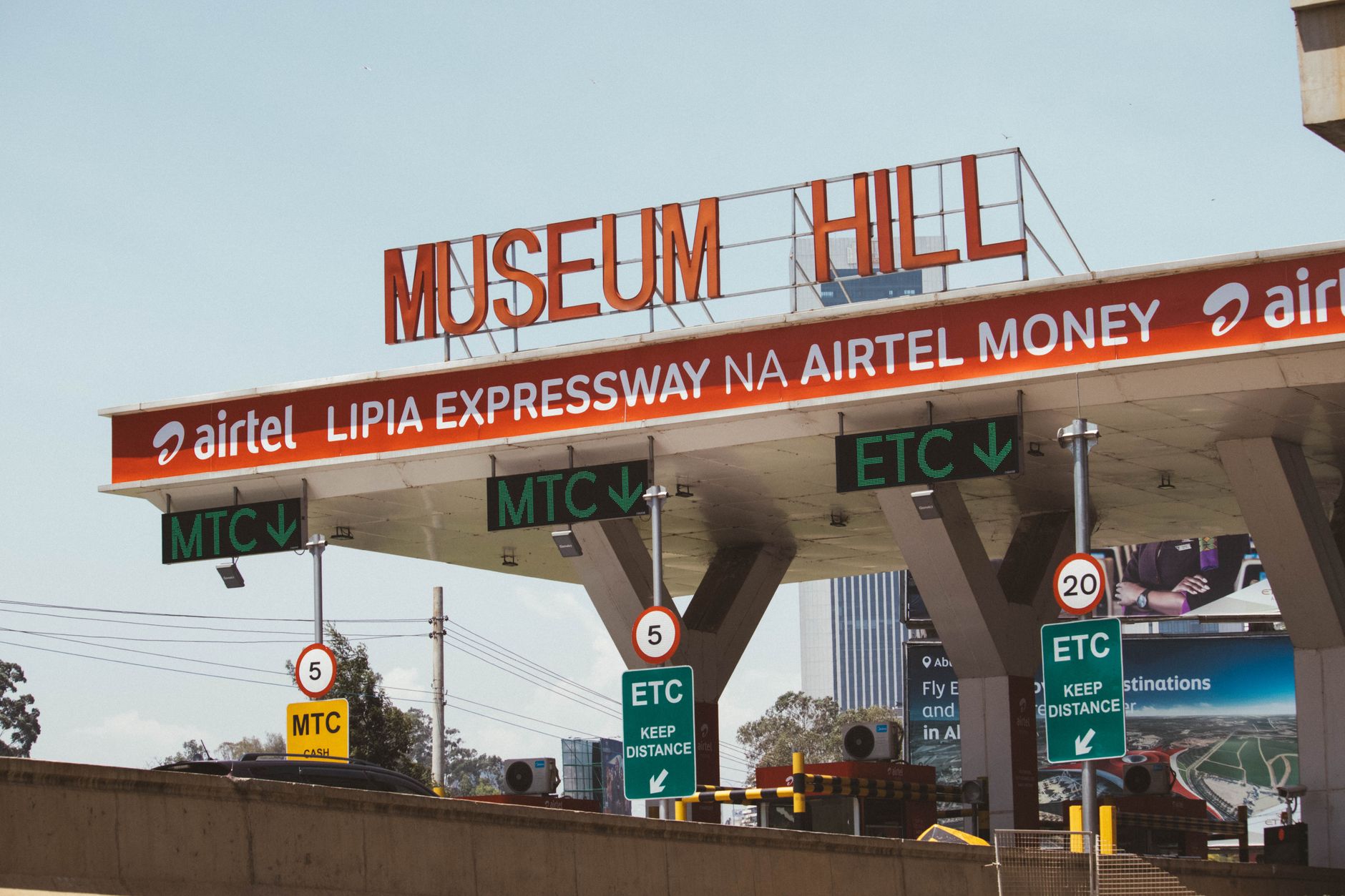
The question that most policy discussions have not resolved is where the line sits between benign long-term investment and strategic accumulation of leverage over essential national infrastructure. Sovereign wealth funds will argue – correctly – that they have been reliable stewards of these assets for decades, maintaining roads, honoring concession terms, and absorbing political risk without complaint. Governments will counter that ownership of a nation’s transportation arteries carries implications that go beyond ordinary investment returns. That tension has no clean answer, and the buying has not slowed down while the argument continues.