
The Quiet Rotation Nobody Is Talking About
Sovereign wealth funds – the state-owned investment giants managing trillions in national reserves – have spent the past several years publicly signaling their commitment to public equities and listed infrastructure. Behind that messaging, however, a different allocation story is playing out. A growing number of these funds are quietly building positions in private infrastructure debt, a corner of the market that offers contracted cash flows, inflation linkage, and a yield premium over comparable investment-grade corporate bonds, all without the volatility of publicly traded assets.
The rotation is deliberate and, by design, not loud. Private infrastructure debt does not generate earnings calls, index reshufflings, or stock price movements. There are no press releases when a sovereign fund provides mezzanine financing for a toll road concession or takes a senior secured position in a regulated water utility. That opacity is not a bug – it is part of the appeal for funds whose mandates require stability over spectacle.

Why Infrastructure Debt, and Why Now
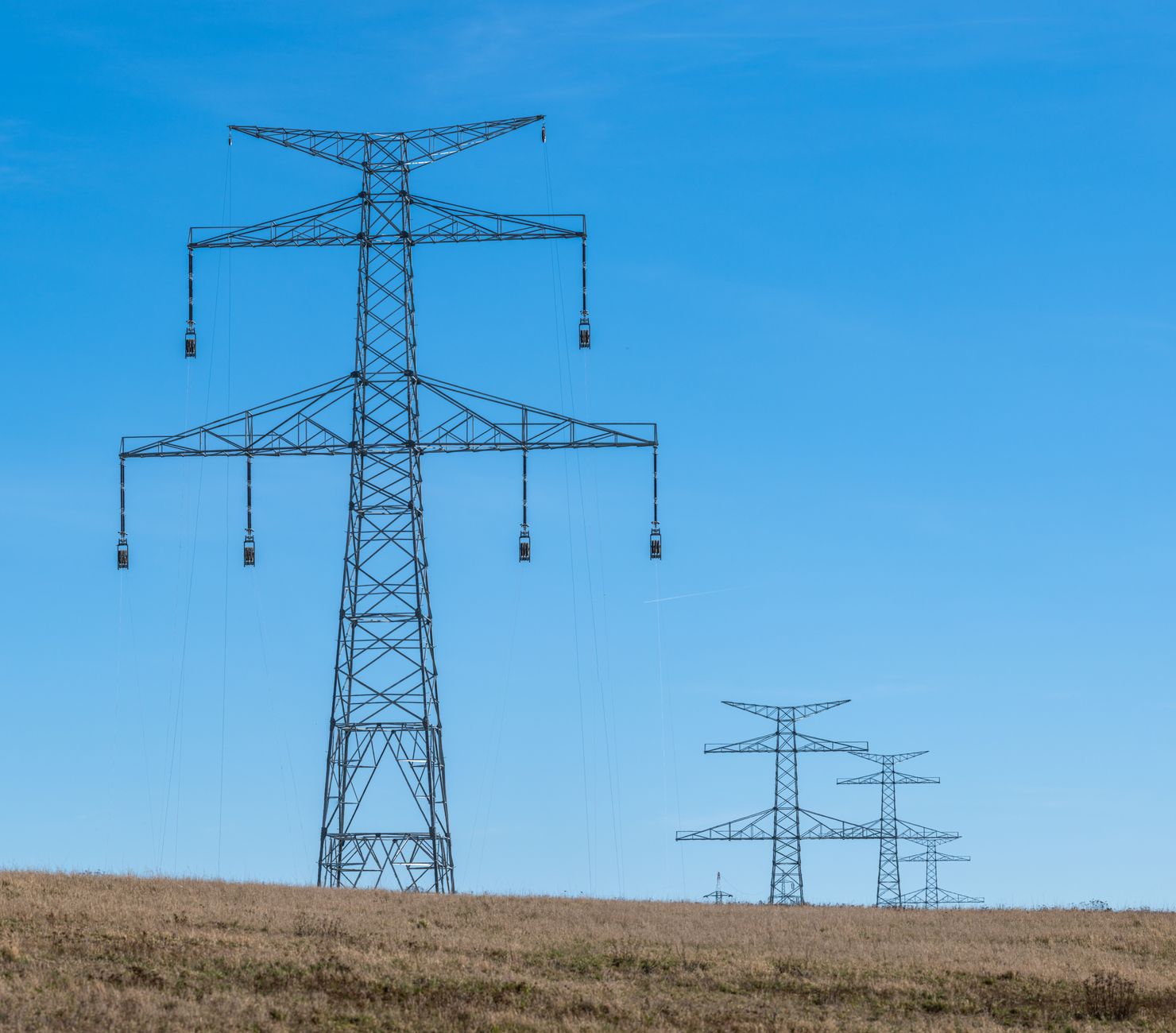
Infrastructure debt occupies a specific position in the capital structure of long-lived physical assets – roads, ports, energy transmission lines, water treatment facilities, broadband networks. Unlike infrastructure equity, which captures upside but absorbs the full force of project risk, infrastructure debt sits above equity in repayment priority. Lenders to these projects receive scheduled interest payments backed by regulated tariffs or long-term offtake agreements, not by market demand fluctuations. For a sovereign fund managing intergenerational wealth, that distinction matters considerably.
The inflation protection embedded in many infrastructure debt instruments is particularly attractive right now. A significant portion of project revenues in regulated sectors are indexed to CPI or producer price indices. When those revenues rise with inflation, debt service coverage ratios improve, reducing credit risk even as the broader economy struggles with cost pressures. Sovereign funds watching the purchasing power of their reserves erode in nominal fixed income now see infrastructure debt as a natural hedge – one that does not require betting on rate cuts or equity multiples expanding.
There is also the yield premium to consider. Private infrastructure debt – especially at the subordinated or mezzanine tier – offers spreads that can run well above equivalent-rated public market bonds. That premium exists because the market is illiquid and requires specialized underwriting. Sovereign wealth funds, with their long investment horizons and minimal liquidity needs, are structurally positioned to capture that spread in ways that pension funds with shorter liability profiles or hedge funds with redemption windows simply cannot replicate consistently.

How the Capital Is Actually Moving
Rather than building direct lending teams overnight, many sovereign funds are entering this space through co-investment arrangements alongside established infrastructure debt managers. A fund might commit capital alongside a specialist manager on a deal-by-deal basis, absorbing the economics while building internal knowledge. Over time, the goal is often to develop enough in-house underwriting capability to source and hold positions directly – cutting out management fees on a share of the portfolio. This is a patient strategy that reflects the longer institutional timelines these funds operate on.
The sectors drawing the most attention include digital infrastructure – data centers, fiber networks, tower portfolios – alongside traditional regulated utilities and transport concessions. Digital infrastructure debt is newer but increasingly standardized, with revenue contracts that closely resemble the availability-payment structures that have made road and bridge financing predictable for decades. Some funds are also circling green infrastructure projects, where government-backed offtake agreements and subsidy regimes create the contracted revenue profile that makes debt underwriting tractable.
The Structural Logic Behind the Shift
When a sovereign wealth fund holds government bonds, it is essentially recycling national savings back into sovereign credit – often its own country’s or a small cluster of reserve-currency nations. The diversification benefit is limited. Private infrastructure debt in a different jurisdiction, backed by a physical asset with regulated pricing power, offers genuine uncorrelated exposure. The asset cannot be repriced overnight by a central bank announcement. It cannot be shorted. Its value is anchored in the physical world and contractual obligations, not in market sentiment.
The credit quality of infrastructure debt, particularly at the senior secured level, has historically compared favorably to corporate investment-grade debt during stress periods. Infrastructure assets provide essential services – electricity, water, transport connectivity – that governments and consumers continue to pay for even during recessions. Default rates in the sector have remained low across multiple economic cycles, and recovery rates when defaults do occur tend to be high because the underlying assets retain value and can be transferred to new operators. That combination of low default frequency and high recovery is what draws capital that cannot afford permanent impairment.
There is a supply side to this story as well. Traditional bank lenders to infrastructure projects – particularly European banks constrained by Basel capital requirements – have steadily reduced their project finance loan books over the past decade. That withdrawal created a structural gap in long-tenor lending that institutional investors have been filling. Sovereign wealth funds stepping into that gap are not just making portfolio allocation decisions; they are effectively providing the long-duration capital that public bank balance sheets no longer want to carry. The pricing reflects that structural demand, with spreads staying wide even as more institutional capital enters the space.
The allocation trend intersects with a broader institutional shift worth watching – similar to how endowments have rebuilt allocations in convertible bond arbitrage, sovereign funds are finding that less-trafficked credit strategies offer durability that headline asset classes struggle to match. The difference is scale: when a sovereign wealth fund makes a move in private infrastructure debt, the dollar figures involved can reshape the pricing of entire deal structures. A single commitment can run into the hundreds of millions for a single project financing, which means these funds are not passive participants – they are setting terms.
The real question hanging over this rotation is whether the spread premium survives the attention. As more large institutional allocators recognize the same structural advantages – contracted revenues, inflation linkage, senior secured positioning, illiquidity premium – the excess yield over public market alternatives will face downward pressure. The funds moving now, before the strategy becomes a standard line item in every sovereign allocation framework, are capturing a window that will not stay open indefinitely. Whether they can deploy capital fast enough, at sufficient scale, before the premium compresses is the actual risk they are managing.