
The Quiet Infrastructure Land Grab
Sovereign wealth funds have spent the better part of the last two years acquiring equity stakes in liquefied natural gas terminals with a discipline and patience that most institutional investors rarely manage. These aren’t speculative trades. They are long-duration infrastructure bets structured around 20- and 30-year offtake agreements, built on the premise that global LNG demand will outpace supply flexibility well into the 2040s. The positions are being assembled quietly, often through secondary market purchases or co-investment arrangements that bypass traditional IPO pricing entirely.
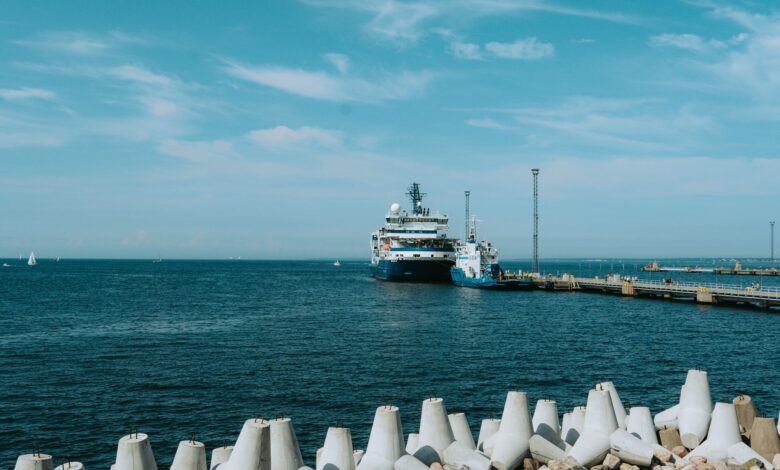
What makes this accumulation pattern notable is the geography of the buyers. State-backed funds from the Gulf Cooperation Council, Norway, Singapore, and several Asian sovereigns are all moving in the same direction, acquiring stakes in terminals across the United States Gulf Coast, Australia, and the emerging East African export corridor. The convergence isn’t coincidental. It reflects a coordinated read on the same macro thesis: that Europe’s structural pivot away from Russian pipeline gas has permanently expanded the addressable market for seaborne LNG, and that terminal equity – not commodity exposure – is the cleanest way to capture that demand without bearing price risk.
Why Terminal Equity, Not Commodity Contracts
The distinction between owning LNG terminal equity and holding commodity-linked positions is the central logic of this trade. Terminal operators collect capacity fees regardless of where spot LNG prices trade. A terminal processing 10 million tonnes per year at contracted tolling rates generates predictable cash flows whether Henry Hub sits at $2 or $8. Sovereign funds are not making a bet on natural gas prices. They are buying the pipe, not the gas – a structural position in the physical infrastructure layer of the global energy trade.
This fee-based model carries a risk profile closer to regulated utilities than to energy commodities. The cash flows are long-dated, the counterparties are typically investment-grade utilities and national energy companies, and the assets themselves carry high replacement cost and significant permitting barriers that limit new competition. For a fund managing multigenerational capital – a Norwegian pension reserve, a Gulf stabilization fund – these characteristics are almost perfectly matched to liability duration.
Terminal equity also offers something commodity contracts cannot: an equity kicker when terminal utilization rates run above contracted capacity. Several major export terminals on the U.S. Gulf Coast have operated above nameplate capacity in recent years, generating incremental revenue that flows directly to equity holders. Sovereign funds taking minority stakes through co-investment structures are positioned to capture that upside without the operational complexity of running the asset themselves.

The Deal Structures Being Used
The mechanics of how these positions get built matter as much as the rationale. Direct secondary purchases from private equity sponsors exiting infrastructure positions have been the most common entry point. PE firms that financed terminal construction five to eight years ago are now at natural exit horizons, and sovereign buyers represent ideal counterparties – they don’t require leverage, they’re not looking for a quick flip, and they don’t trigger regulatory concerns the way a strategic buyer from the energy sector might.
Co-investment alongside large infrastructure managers has been another route in. Several of the largest unlisted infrastructure fund managers have structured sidecar arrangements that let sovereign LPs increase their economic exposure to specific terminal assets beyond what a diversified fund allocation would provide. This approach lets sovereigns concentrate in the assets they want while maintaining a relationship with the manager’s deal pipeline – a structure that bears some resemblance to how hedge funds have approached accumulation in other hard-asset classes like shipping container leasing trusts, where deal access often matters more than asset class selection.
There is also a growing number of minority stake transactions being negotiated directly between sovereign funds and terminal developers at the project finance stage. In these deals, the sovereign fund provides equity capital during construction in exchange for a locked-in return profile once the terminal reaches commercial operations. The developer gets cheaper equity than a PE sponsor would require; the sovereign gets a blended yield that combines construction-phase risk premium with long-term operational stability. Both sides benefit from avoiding the secondary market premium that has built into publicly traded infrastructure names.
The pricing on these transactions has been moving. Earnings multiples on U.S. Gulf Coast terminal stakes have compressed as buyer competition has intensified, particularly from Asian sovereign funds that view American LNG export capacity as a direct hedge against their own energy import dependence. A fund whose home government imports 90 percent of its natural gas has an obvious strategic rationale to own equity in the infrastructure supplying that gas – the financial return and the geopolitical hedge are the same investment.
What the Accumulation Pattern Signals
The scale of sovereign accumulation in LNG terminal equity carries a signal beyond what any individual transaction implies. These funds operate on investment committees with long approval cycles and rigorous due diligence requirements. When multiple sovereign funds arrive at the same asset class through independent processes over a compressed time window, it suggests the thesis has cleared a high bar in multiple jurisdictions. That pattern of convergence is worth paying attention to on its own terms.
There is a countervailing tension worth acknowledging. The energy transition remains a live variable. Battery storage costs continue falling, green hydrogen investment is scaling, and several major importers have set aggressive timelines for reducing fossil fuel dependence. A 30-year terminal investment implicitly assumes that LNG demand holds up long enough for the asset to fully amortize – an assumption that looked safer in 2022 than it does today with more aggressive national decarbonization commitments in Europe and parts of Asia.
Sovereign funds are not ignoring this tension. The ones moving most aggressively into terminal equity are, in several cases, the same funds building large positions in offshore wind development and grid-scale battery storage. The LNG terminal stake is not a climate denial bet – it is a medium-term infrastructure play on a 15- to 25-year demand window that the fund intends to have exited or partially monetized before the structural decline phase arrives. The exit thesis is already built into the entry price.
The harder question is whether terminal capacity will remain scarce enough to sustain tolling rates at current levels. Several large-scale U.S. Gulf Coast export projects are still in late-stage development, and if all of them reach final investment decision and come online within the same five-year window, the supply of terminal capacity could catch up to contracted demand faster than current pricing assumes. That is the specific risk that the current equity multiples may not yet be fully pricing in.
Frequently Asked Questions
Why are sovereign wealth funds buying LNG terminal equity instead of commodity contracts?
Terminal equity generates fixed capacity fees regardless of gas prices, offering utility-like cash flows with long-dated contracts and high barriers to new competition.
What deal structures are sovereign funds using to acquire LNG terminal stakes?
The most common routes are secondary purchases from exiting PE sponsors, co-investment sidecars with infrastructure managers, and direct project finance equity at the construction stage.