
The Quiet Accumulation Nobody Is Talking About
University endowments and large institutional foundations have spent the past several years building exposure to one of the most unglamorous corners of the energy infrastructure market: underground butane storage cavern leases. These are long-term contracts granting rights to inject, store, and withdraw butane – a liquefied petroleum gas – from salt caverns and mined rock formations carved out across the Gulf Coast, Appalachian Basin, and midcontinent United States. The assets generate stable, predictable cash flows, operate largely outside public equity markets, and sit far below the radar of retail investors scanning for yield.
The accumulation has been quiet by design. Endowment investment offices rarely disclose their real asset holdings at granular levels, and butane storage leases are classified under broad alternative or real assets buckets in annual reports. What has become visible, through deal filings, partnership registrations, and conversations circulating in the private infrastructure space, is a pattern: large institutional pools of capital are treating butane storage capacity the way an earlier generation treated timberland or toll roads – as a durable, inflation-linked asset that performs best when nobody is paying attention to it.
Why Butane Storage Works as an Institutional Asset
Butane occupies an interesting position in the hydrocarbon value chain. It is extracted during natural gas processing and crude oil refining, blended into motor gasoline during winter months to raise vapor pressure, and used directly as a feedstock in petrochemical production. Demand does not disappear – it shifts seasonally, and that seasonality is exactly what makes storage capacity valuable. Whoever controls underground storage space controls the ability to buy butane when it is cheap and abundant, hold it, and sell it into peak demand periods. The spread between those two price points is the core economic engine of the trade.
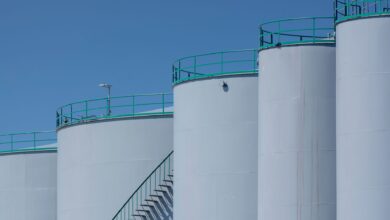
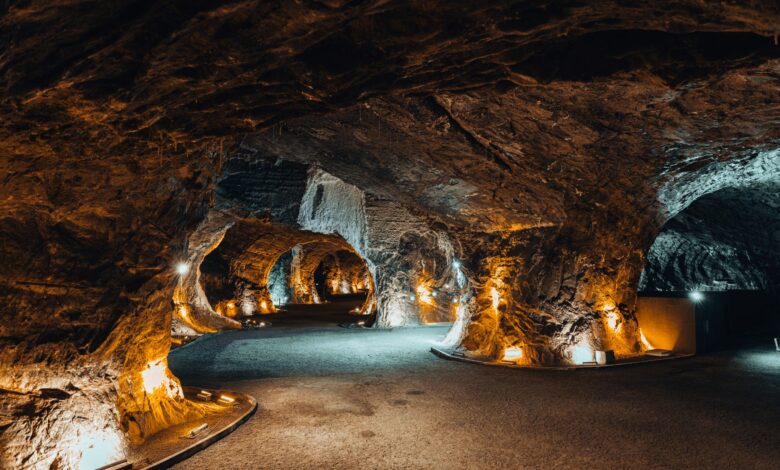
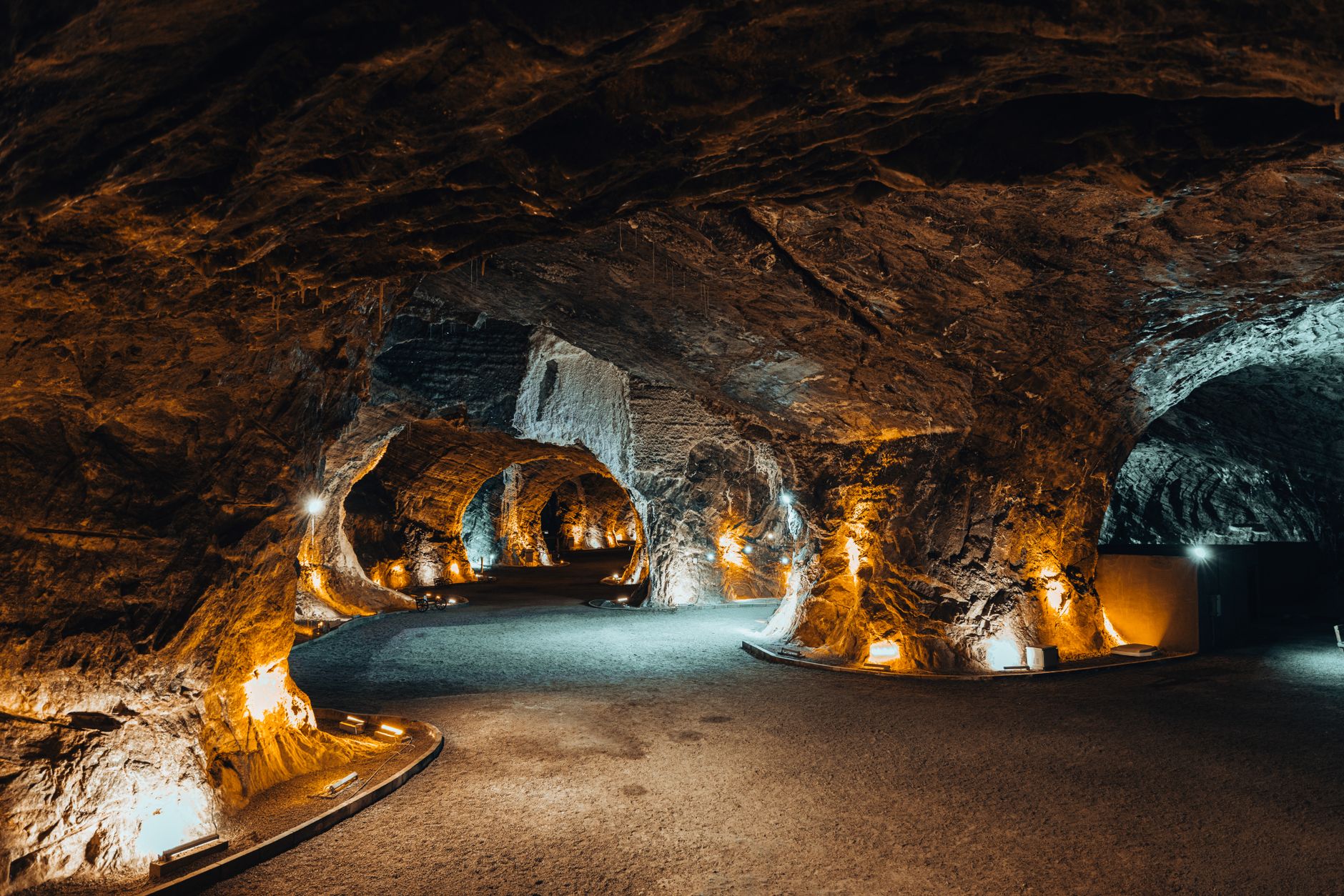
Salt cavern storage, specifically, is among the most cost-effective and operationally flexible forms of hydrocarbon storage in existence. Salt caverns can cycle inventory far faster than depleted reservoir storage or mined rock caverns, meaning operators can respond to sudden price moves with speed that aboveground tank farms cannot match. For an endowment holding a lease position, the physical asset is essentially the cavern itself – a fixed geological feature with a long operational life and minimal ongoing capital expenditure once developed. That combination of low maintenance burden and structural demand creates a return profile that institutional allocators find attractive across multi-decade investment horizons.
The Structural Case Endowments Are Making
The logic behind accumulating these leases rests on several converging pressures. Natural gas liquids – the family of hydrocarbons that includes butane, propane, ethane, and isobutane – have grown as a byproduct of the shale boom. More production means more NGL supply hitting the market, and more supply volatility creates wider seasonal spreads. Wider spreads make storage capacity more valuable, not less. An endowment that holds a long-term lease on cavern capacity is positioned to collect that spread premium year after year, regardless of which direction the underlying commodity price moves in absolute terms.
There is also an infrastructure scarcity argument. New salt cavern development requires specific geology – large, thick salt formations that can be solution-mined to create stable voids. The Gulf Coast, particularly around Mont Belvieu in Texas, hosts the highest concentration of this geology in the country, and the available formations near existing pipeline networks are largely already leased or developed. Building new cavern capacity is a multi-year, capital-intensive process subject to permitting timelines and environmental review. The existing lease base, then, is not easily expandable in the short term, which gives current leaseholders pricing leverage.
Endowments with very long investment horizons – perpetual by definition – are naturally suited to holding assets where value accretes slowly and where liquidity is limited. The illiquidity premium on butane storage leases is real. These are not positions that can be sold in a morning. Exiting requires finding a counterparty willing to take on a multi-decade obligation tied to physical infrastructure, which narrows the buyer pool considerably. That illiquidity is exactly what retail capital cannot tolerate and what large endowments, with no redemption pressure, can absorb comfortably.
Butane storage leases also carry a meaningful inflation linkage. Storage fees in long-term contracts are frequently indexed to producer price indices or escalate on fixed annual schedules, meaning the revenue stream adjusts upward as input costs rise. For endowments tasked with preserving purchasing power across generations, that indexation matters as much as the absolute yield level. The asset does not need to be exciting – it needs to hold value and pay consistently, and butane cavern leases do both.
How the Positions Are Being Assembled
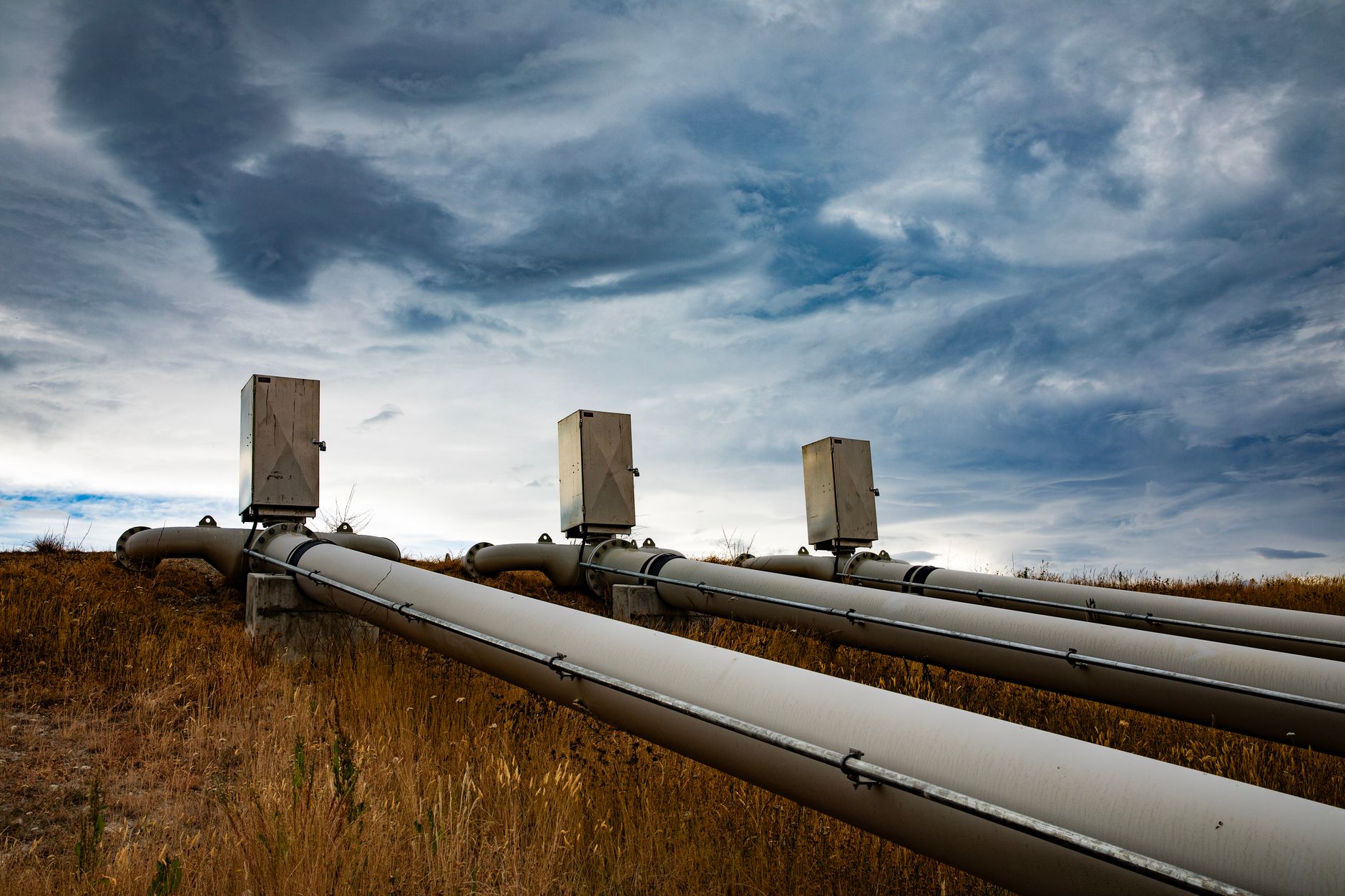
Institutional capital rarely buys these leases directly. The more common approach involves committing capital to private infrastructure funds or specialized real asset vehicles that aggregate individual lease positions across multiple cavern sites. Some endowments are going further, co-investing alongside fund managers to take direct stakes in specific cavern operating partnerships, which allows them to avoid the layered fee structures of commingled funds while maintaining access to deal flow they could not source independently.
A smaller number of endowments with dedicated energy infrastructure teams are reportedly structuring bilateral arrangements with midstream operators – effectively paying upfront for long-term storage rights in exchange for a fixed-fee revenue share. This mirrors the approach some institutional investors took with crude oil pipeline capacity rights in the years when midstream operators were eager to monetize assets off their balance sheets. The dynamic is similar: operators get capital today, institutions get contracted cash flow for decades.
Risks That Are Not Being Ignored
The bull case for butane storage leases is not without friction. Long-term demand for butane as a gasoline blendstock is tied to internal combustion engine vehicle miles traveled. As the vehicle fleet gradually shifts toward electrification, blendstock demand faces structural pressure over a 20-to-30-year window – exactly the time horizon endowments are underwriting when they take on these leases. The petrochemical feedstock demand story is more durable, but it too depends on the geographic and logistical positioning of specific cavern assets relative to crackers and chemical plants.
Operational risk is real as well. Salt cavern integrity requires ongoing monitoring, and while catastrophic failures are rare, they are not unheard of in the storage industry. A cavern subsidence or brine water intrusion event can render a lease economically worthless mid-term. Endowments building exposure to this asset class are presumably conducting detailed geological due diligence, but the nature of subsurface risk means some uncertainty is simply not reducible. The question every allocator in this space is quietly sitting with is whether the spread income over 30 years more than compensates for a tail risk that may never materialize – but cannot be fully modeled away.

What makes the current moment interesting is that endowments are accumulating these positions at a time when the broader investment world is increasingly focused on energy transition assets – wind, solar, battery storage. Butane cavern leases are, in a sense, the opposite bet: a wager that the hydrocarbon infrastructure underpinning today’s economy will remain economically relevant and cash-generative long enough to justify 20-year lease commitments. The endowments making this bet are not naive about the transition – they simply believe the timeline for hydrocarbon displacement is longer than the market consensus suggests, and that they are being paid, through the illiquidity premium and inflation linkage, to hold that view patiently. Whether that patience is rewarded depends entirely on how long butane remains indispensable – and at the moment, every gallon of gasoline blended through a Gulf Coast terminal answers that question in the affirmative.