The Quiet Accumulation
University endowments and private foundations have spent decades chasing returns in private equity, real estate, and commodities futures. Now a narrower, less visible category is drawing serious capital: jet fuel storage leases. These are long-term agreements granting the right to occupy physical tank capacity at airport terminals, fuel depots, and pipeline-connected storage hubs – and the institutions moving into them are doing so with minimal public disclosure.
The appeal is structural rather than speculative. Jet fuel storage is not a bet on aviation demand recovering or oil prices rising. It is a bet on the physical infrastructure that aviation requires regardless of ticket prices or passenger counts. A storage lease generates income from the lease itself – from the occupation of tank space – not from the commodity sitting inside it. That distinction is what makes the asset class interesting to endowment managers already comfortable with long-duration, illiquid positions.

Why Storage, Why Now
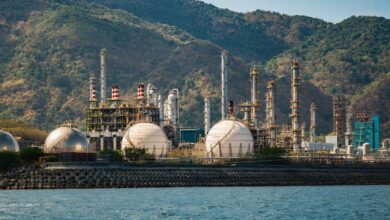
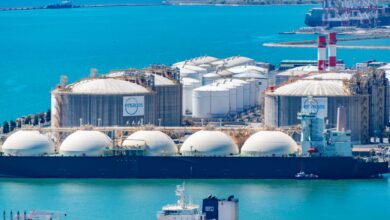
Aviation fuel infrastructure has historically been owned and operated by oil majors, airlines, or airport authorities. The ownership model is changing. As major carriers renegotiate balance sheets and airport authorities seek capital partners for infrastructure upgrades, the right to lease tank capacity is increasingly being carved out as a standalone asset. What endowments are acquiring is not the physical tank – it is the contractual right to use that capacity over a fixed term, often 10 to 25 years, with escalation clauses tied to inflation indices.
The lease structure mimics what endowments already understand from net-lease real estate. A tenant – typically a fuel distributor, regional carrier, or third-party logistics operator – pays rent for storage access. The endowment, as leaseholder or sub-lessor, sits in the middle: holding the primary lease from the infrastructure owner and collecting the spread between what it pays and what it charges downstream. The credit quality of that downstream tenant matters enormously, which is why transactions tend to cluster around established fuel distributors with long operating histories rather than start-up logistics firms.
Geography shapes pricing more than almost any other variable. Storage capacity near hub airports – particularly those serving international long-haul routes that consume jet-A fuel in large volumes per departure – commands premiums that smaller regional facilities cannot match. Capacity near coastal refineries adds another layer of value because it shortens the pipeline distance between production and storage, reducing the distributor’s cost basis and making the lease more attractive to hold.

The Endowment Logic
Endowments operate under a different time horizon than most institutional investors. A 20-year lease with a creditworthy counterparty is not a liquidity problem for a university with a perpetual mandate – it is a match. The cash yield on a jet fuel storage lease, net of operational costs and lease payments to the underlying infrastructure owner, tends to be modest in absolute terms. The value proposition is consistency: payments that arrive on a fixed schedule, indexed to inflation, with minimal correlation to equity markets.
That low correlation is the real prize. Endowment portfolios have spent the last several years adding infrastructure-linked assets precisely because they behave differently from stocks during periods of financial stress. Jet fuel storage leases sit at an interesting intersection: they are infrastructure in character, commodity-adjacent in their underlying use case, and real estate-like in their legal structure. No single asset class label fits cleanly, which has historically kept retail and smaller institutional money out of the space.
The illiquidity premium is also meaningful. Because these leases trade infrequently – there is no exchange, no standardized contract, and no price discovery mechanism beyond bilateral negotiation – the buyer accepts a discount for that friction. Endowments with long time horizons and stable cash inflows from annual giving campaigns are structurally positioned to accept illiquidity in exchange for yield. The same logic applies to their positions in carbon dioxide pipeline easements, where the legal structure is different but the duration and illiquidity trade-off is nearly identical.
What makes this moment specifically interesting is the supply dynamic. Airlines that overextended on fuel hedging programs during periods of price volatility are now shedding ancillary infrastructure positions to shore up core operations. That creates a motivated seller class at exactly the moment when endowments are sitting on well-capitalized portfolios looking for duration. The bid-ask spread on these transactions is wide, but the endowments willing to move slowly and negotiate on their own timeline are finding sellers who accept terms that would not survive a competitive auction process.

Risks That Don’t Disappear
The asset class carries real risks that the structural argument can obscure. Sustainable aviation fuel mandates, now advancing through regulatory frameworks in the European Union and under active consideration in the United States, could alter the physical specification of what gets stored in those tanks. A facility optimized for jet-A storage may require expensive retrofits to handle SAF blends at commercial scale, and lease agreements written today may not allocate that cost clearly between the leaseholder and the infrastructure owner.
Counterparty concentration is the other pressure point. If a lease is structured around a single downstream fuel distributor and that distributor consolidates, restructures, or exits a market, the endowment holding the lease is suddenly negotiating from a much weaker position. The creditworthiness that made the original deal attractive can deteriorate faster than a 20-year instrument can adapt. Endowments managing these positions need legal teams with genuine expertise in energy infrastructure contracts, not generalist counsel who primarily handle real estate or private equity documentation.
Whether the current pace of accumulation continues depends partly on how much airport infrastructure privatization accelerates over the next several years. If governments continue pushing airport operating rights toward private ownership models, the secondary market for storage leases could deepen enough to create something resembling price transparency – which would compress the illiquidity premium that currently makes these positions attractive to patient capital.