

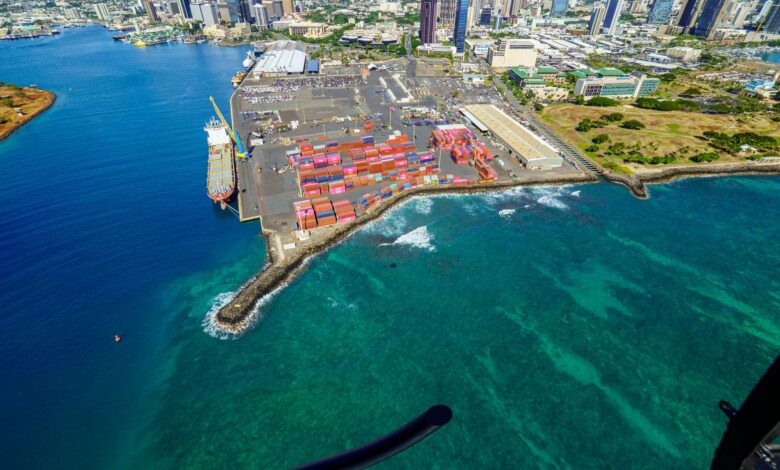
University endowments and large nonprofit foundations are quietly building positions in maritime port revenue bonds, a corner of the municipal debt market that has historically been the domain of insurance companies and regional banks. The accumulation is deliberate, patient, and largely invisible to casual market observers – and the reasons behind it are worth understanding.
Why Port Revenue Bonds Are Drawing Serious Institutional Attention
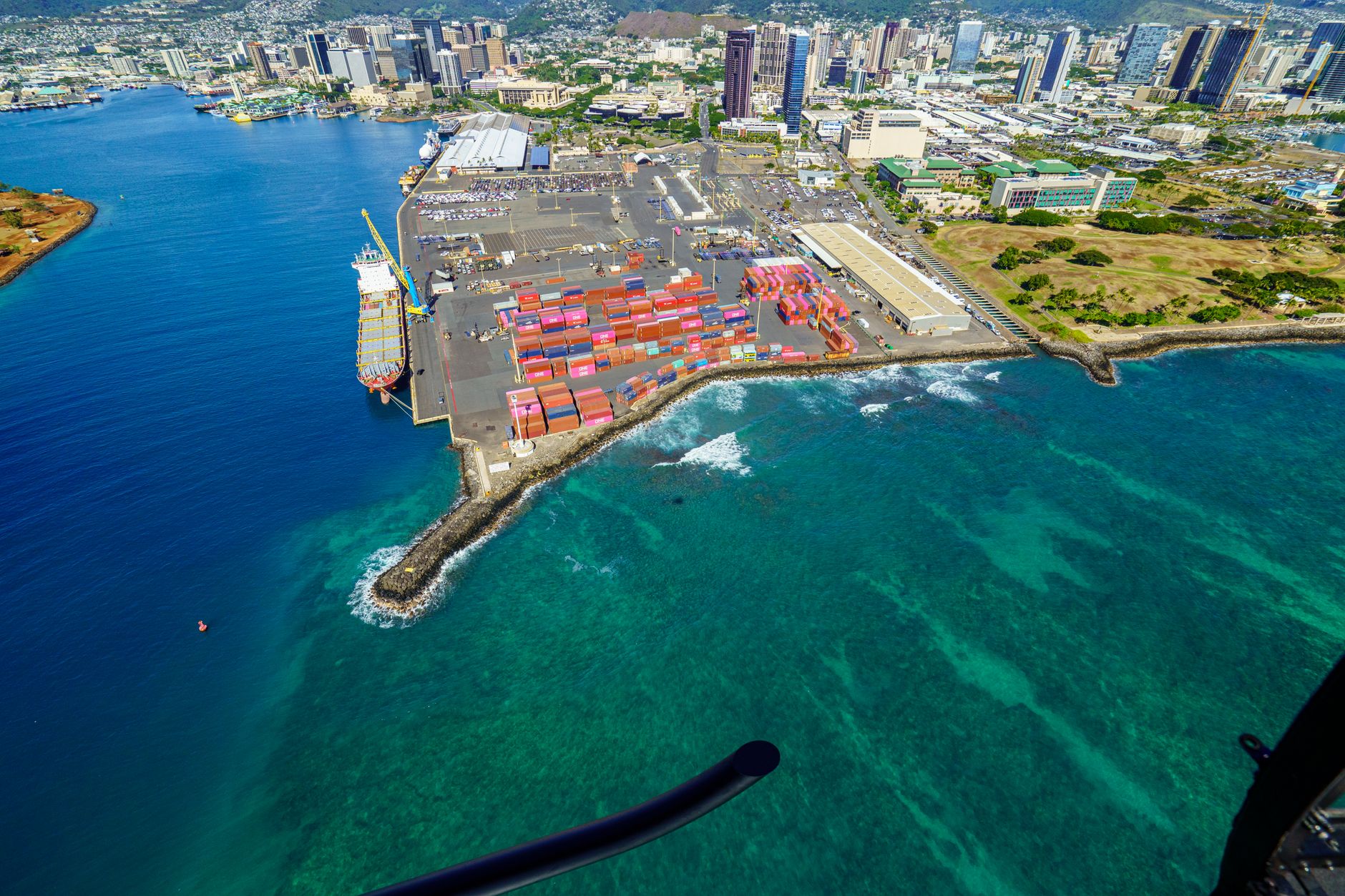
Maritime port revenue bonds are issued by port authorities to finance capital improvements – container terminals, berth expansions, dredging projects, intermodal rail connections, and cargo handling infrastructure. Unlike general obligation municipal bonds, which are backed by a government’s taxing power, revenue bonds are secured solely by the income generated by the port itself. That distinction matters enormously when evaluating credit quality, because it forces buyers to analyze actual cash flows rather than relying on a political backstop.
Endowments are attracted to this structure for a specific reason: ports with significant throughput generate relatively stable, volume-driven revenue even during economic contractions. Cargo has to move. Supply chains require functioning port infrastructure regardless of interest rate cycles or equity market volatility. The trade volumes at major container ports – those handling millions of twenty-foot equivalent units annually – tend to dip modestly during recessions but rarely collapse in ways that threaten debt service coverage. That predictability is exactly what long-duration investors need when managing perpetual pools of capital.
The tax-exempt nature of most port revenue bonds creates a further advantage for certain endowment structures, depending on how they are organized. Even where tax exemption provides limited direct benefit, the nominal yields on port revenue bonds have been compressed enough in recent years that total-return calculations – factoring in price appreciation, duration, and reinvestment assumptions – still compare favorably against taxable infrastructure debt of similar credit quality. Endowments running liability-aware strategies have been particularly drawn to the longer-dated maturities that major port authorities routinely issue.
This accumulation mirrors a broader pattern in alternative municipal fixed income. Those tracking hedge fund positioning in municipal airport revenue bonds will recognize the same logic at work: infrastructure-backed debt with dedicated revenue streams and high barriers to competition. Ports carry an additional structural advantage over airports in one key respect – they face virtually no threat of technology-driven demand erosion. Cargo ships are not going to be disrupted by software.

The Credit Structure and Risk Profile That Endowments Are Actually Buying
Not all port revenue bonds are created equal, and endowment credit committees are not buying indiscriminately. The positions being accumulated tend to cluster around port authorities that operate under rate covenants requiring revenue coverage ratios of at least 1.25 times annual debt service – meaning the port must generate 25 cents of net revenue for every dollar owed in principal and interest before any discretionary spending occurs. Authorities that have maintained those ratios through multiple downturns, including the supply chain disruptions of the early 2020s, carry significantly more credibility in credit review processes.
The physical geography of a port matters as much as its financial ratios. Deepwater ports capable of accommodating post-Panamax vessels – the massive container ships that now dominate transoceanic trade – carry inherent competitive advantages that older, shallower facilities cannot replicate without multi-billion dollar dredging programs. Endowment analysts are specifically targeting port authorities that have already completed or committed to harbor deepening, because those facilities are positioned to attract the largest shipping alliances and their associated volume commitments.
Lease structures add another layer of security. Major container terminals are frequently operated by private shipping companies or terminal operators under long-term lease agreements – sometimes running 30 to 50 years – that include minimum annual guarantee payments regardless of actual cargo volume. When a port authority’s revenue bonds are partially secured by these minimum guarantees, the credit profile changes substantially. The bond essentially carries a component of investment-grade corporate credit underneath the municipal wrapper, providing a floor that pure volume-dependent ports cannot offer.
Liquidity is the honest weakness of this asset class. Port revenue bonds trade in a thin secondary market compared to state general obligation debt or large city bonds. Bid-ask spreads can widen significantly during periods of municipal market stress, and large block trades may require several days to execute without moving prices. Endowments are accepting this illiquidity consciously, treating it as a source of yield premium rather than a liability. Institutions managing multi-decade time horizons with stable inflows from annual giving campaigns can afford to hold positions through temporary dislocations that would force shorter-duration investors to sell.
The sizing of individual positions reflects this liquidity constraint. Endowments are generally building port revenue bond exposure through laddered portfolios – staggering maturities across 5, 10, 15, and 20-year horizons to create regular cash flow events that reduce the need for secondary market transactions. A $2 billion endowment might allocate 3 to 5 percent of total assets to this category, spread across six to ten different port authorities to avoid concentration risk in any single corridor or economic region. The Gulf Coast, Pacific Northwest, and Mid-Atlantic port systems have all seen institutional participation increase over the past several years.
The Macro Backdrop Making This Moment Specific
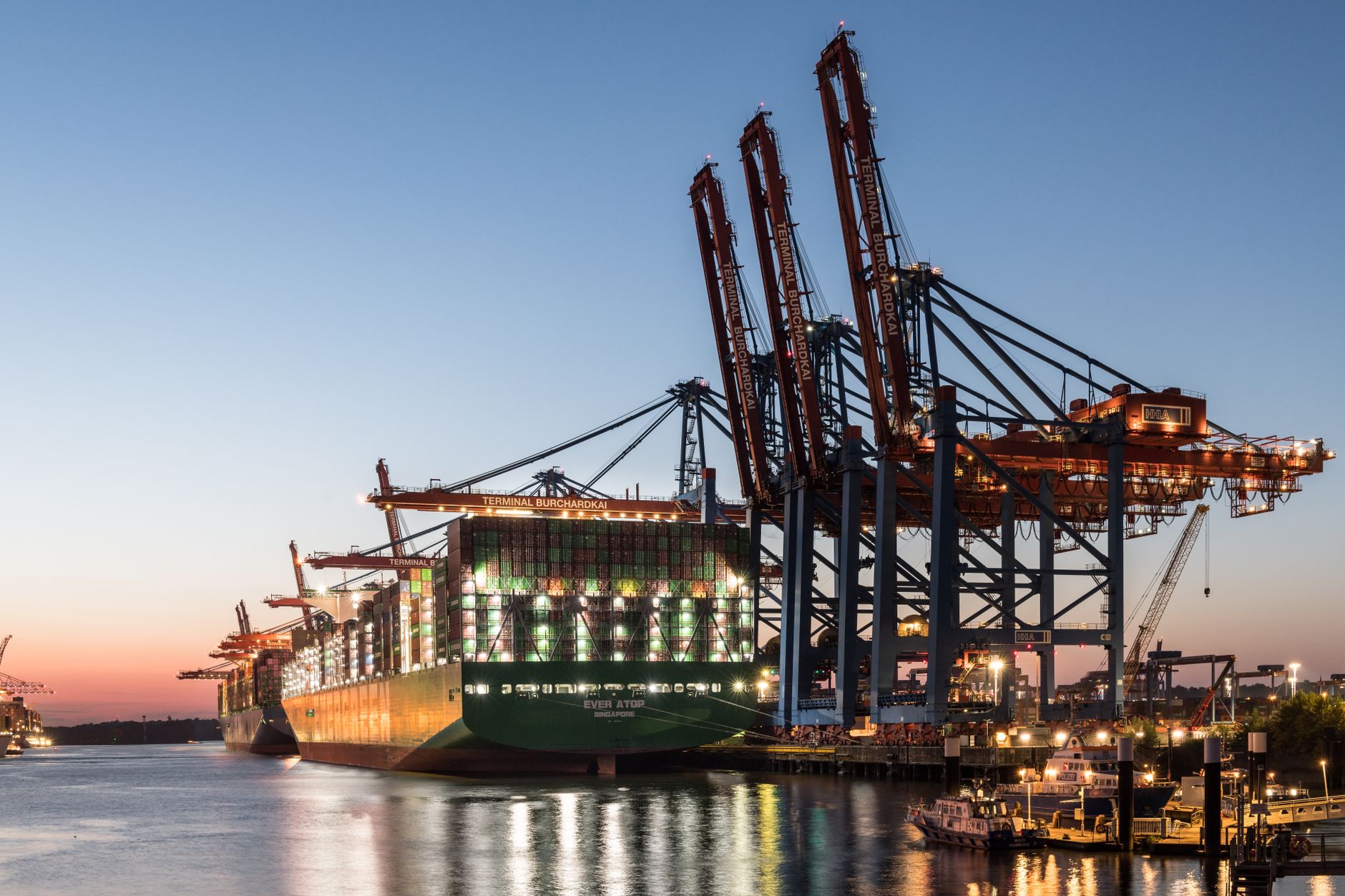
Federal infrastructure spending has created a secondary tailwind that endowment allocators did not fully anticipate when they began accumulating these positions. Port authorities that have received federal grants for electrification, emissions reduction, or freight efficiency upgrades are redirecting operating cash that would otherwise have funded those capital projects directly into debt service reserves. Stronger reserve funds improve bond ratings, which compresses spreads – benefiting existing holders. Endowments that entered positions before the rating upgrades followed have already seen mark-to-market appreciation that long-term holders tend to underreport in public disclosures.
The unresolved tension in this trade is geopolitical. Port revenue is ultimately a function of trade volumes, and trade volumes are increasingly subject to policy intervention – tariffs, sanctions regimes, country-of-origin rules, and reshoring mandates that can redirect cargo flows away from established port corridors with limited warning. An endowment holding 20-year port revenue bonds issued by an authority heavily dependent on transpacific container traffic is carrying an exposure to U.S.-China trade policy that does not appear anywhere on a standard credit rating report. How that exposure is priced, and whether current spreads adequately compensate for it, is a question that has no clean answer right now.