Endowments Quietly Accumulate Positions in Sulfur Dioxide Emission Allowances

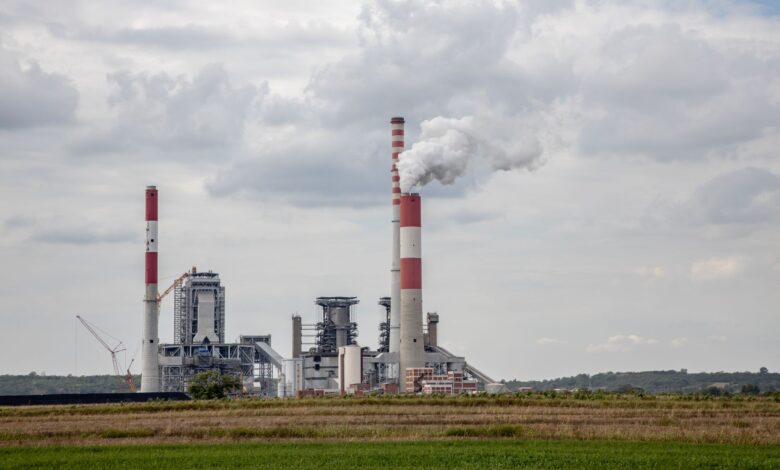
University endowments and nonprofit investment offices are quietly building positions in sulfur dioxide (SO2) emission allowances – a market that most institutional investors have historically ignored in favor of its better-known cousin, carbon credits. The accumulation is slow, deliberate, and almost entirely out of public view.
Why SO2 Allowances Are Back on the Institutional Radar
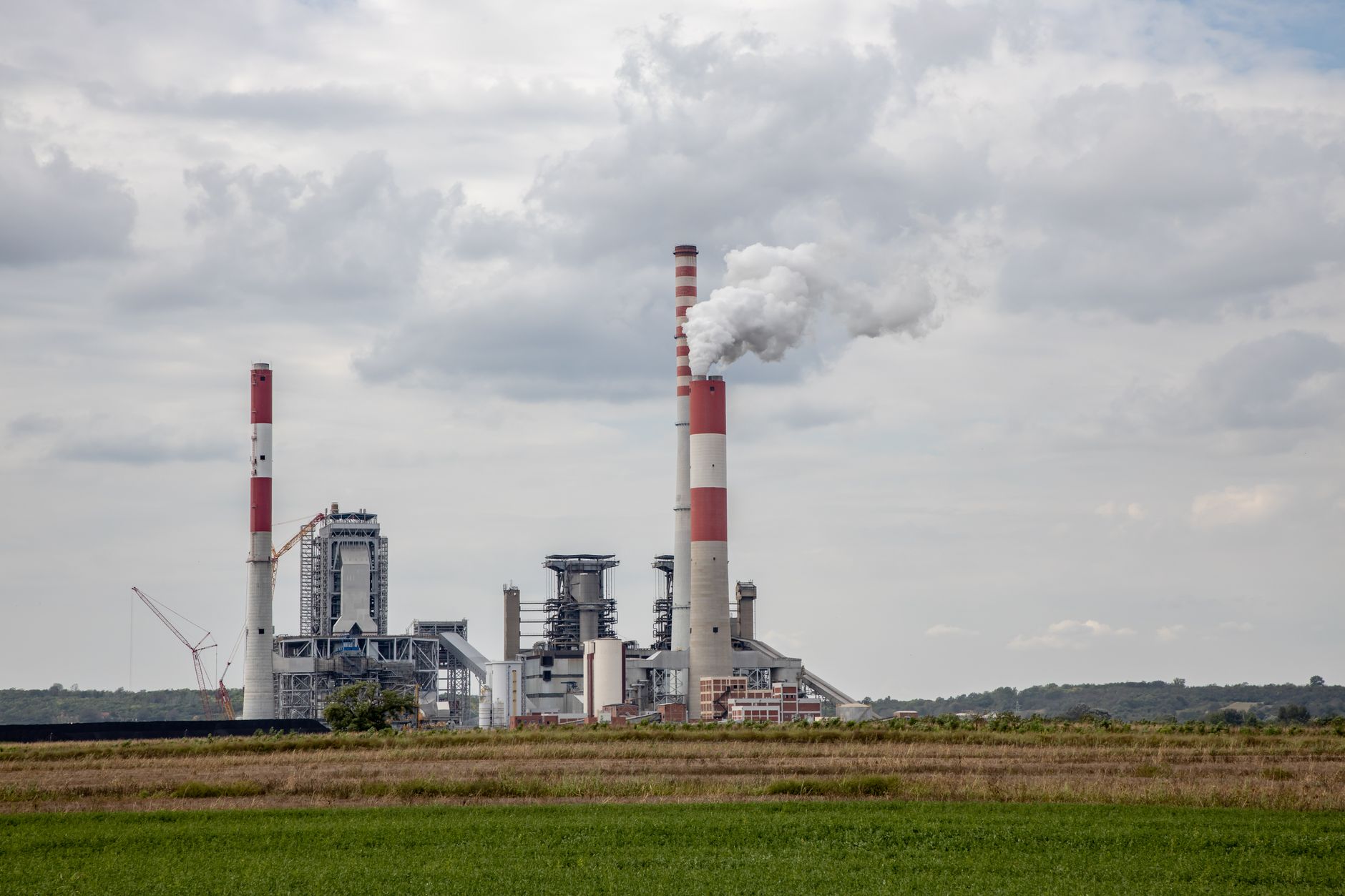
Sulfur dioxide allowances were created under the U.S. Clean Air Act Amendments of 1990, establishing what became the Acid Rain Program – one of the earliest cap-and-trade systems ever designed. Power plants received a finite number of allowances to emit SO2, and those that reduced emissions below their cap could sell surplus permits to heavier emitters. For years, the market functioned as a textbook example of environmental economics working as intended: SO2 emissions from power plants fell sharply through the 1990s and 2000s.
Then the market largely collapsed. A series of court decisions and regulatory rewrites, particularly around the Cross-State Air Pollution Rule (CSAPR) issued in 2011, dramatically shifted the compliance landscape. Allowance prices that had once traded above $700 per ton cratered to near zero. Most institutional investors walked away. What remains is a thin, fragmented market with drastically reduced liquidity – and that thinness is precisely what some endowment managers now find attractive.
The logic runs like this: a market with low prices, low participation, and real regulatory underpinning is not a dead market – it is a distressed one. Endowments, which operate with long time horizons and no quarterly redemption pressure, can afford to hold positions that would be intolerable for hedge funds or pension funds facing short-term liquidity demands. If regulatory conditions shift – through new EPA rulemakings, stricter ambient air quality standards, or expanded interstate trading programs – the supply-constrained allowance market could reprice sharply upward.
This mirrors the broader pattern of endowments finding value in illiquid, under-followed environmental asset classes. Those already tracking endowments building exposure to carbon dioxide pipeline easements will recognize the playbook: identify a regulatory asset with real legal backstop, enter when the crowd has left, and wait for the structural catalyst.

How the Accumulation Actually Works
SO2 allowances are not purchased through a standard exchange the way equities or carbon futures might be. The Environmental Protection Agency’s Allowance Management System (AMS) serves as the official registry, and transfers are recorded there – but the trading itself happens over the counter, through brokers who specialize in environmental commodities. This opacity makes it difficult to track who is accumulating what, which suits endowment managers fine. There is no 13F equivalent for emission allowance holdings.
Some endowments are building positions directly, working with environmental commodity brokers to acquire allowances in bulk at current depressed prices and parking them in EPA registry accounts. Others are gaining exposure indirectly, through allocations to specialty environmental asset funds that bundle various allowance types – SO2, NOx, and regional haze program permits – into managed vehicles. The indirect route sacrifices some upside but removes the operational complexity of managing regulatory accounts and compliance requirements that were originally designed for utility companies, not investment offices.
The volumes involved are not large by institutional standards. SO2 allowance markets simply do not have the depth to absorb hundreds of millions of dollars without moving prices. What endowments are doing is acquiring meaningful notional positions – enough to matter if prices recover – without becoming the market themselves. Position sizes in the tens of thousands of allowances, at current prices well below $10 per ton in some program segments, can represent a relatively modest capital outlay for an endowment managing several billion dollars.
There is also a hedging dimension worth understanding. Some endowments hold equity positions in utilities or industrial companies that remain subject to SO2 compliance costs. Holding allowances on the other side of that trade creates a natural hedge: if regulatory pressure increases and compliance costs rise for those companies, the allowance portfolio appreciates. The endowment is not simply speculating – it is managing exposure within an existing portfolio construction.
Storage costs for emission allowances are essentially zero. Unlike physical commodities – oil, metals, agricultural products – an allowance is a digital registry entry. There is no warehousing, no degradation, no insurance premium for the underlying asset. For an endowment thinking in decade-long increments, this matters. The carrying cost of holding a long position in SO2 allowances is close to the opportunity cost of the capital deployed, nothing more. That math becomes very interesting when the entry price is low enough.
What Could Actually Move This Market
The regulatory catalyst endowments are watching most closely is the EPA’s ongoing revision of the National Ambient Air Quality Standards for particulate matter, which has downstream implications for SO2 controls. Fine particulate pollution and SO2 are chemically linked in the atmosphere – sulfur compounds are a precursor to PM2.5 formation. If federal standards for fine particles tighten, states and federal regulators may need to impose stricter SO2 controls on industrial sources, pulling allowances out of inventory and pushing prices upward. A secondary trigger could come from court rulings that restore or expand interstate trading program requirements, reconnecting state markets that have been fragmented since 2011.
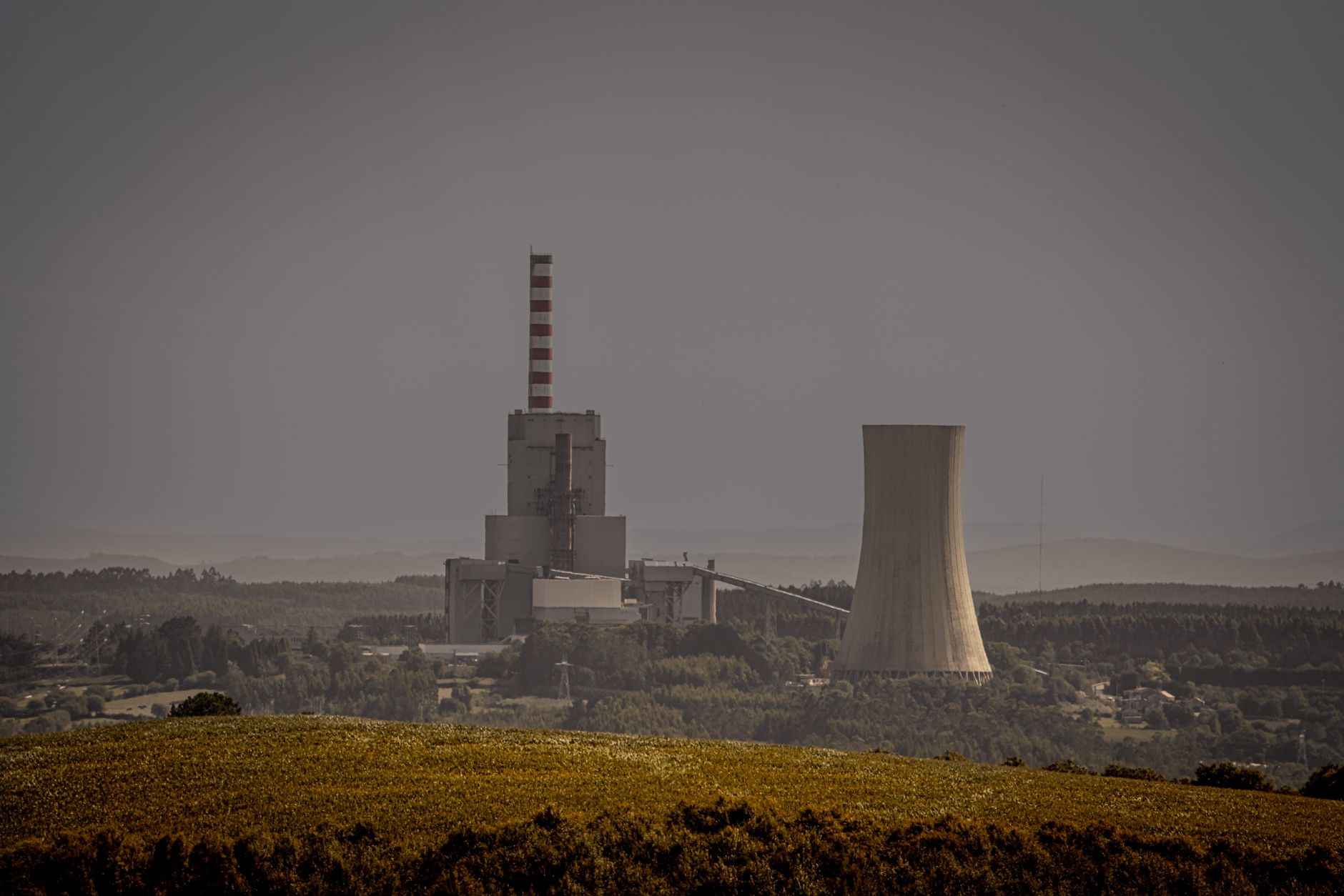
What makes this bet genuinely uncertain is that the power sector – the historical backbone of SO2 compliance markets – is retiring coal capacity faster than almost any regulatory model predicted five years ago. Fewer coal plants mean fewer obligated sources, which means lower structural demand for allowances regardless of what EPA does with standards. Endowments accumulating SO2 allowances are essentially wagering that industrial sources beyond the power sector, combined with tighter ambient standards, will more than offset the demand destruction from coal retirements. That is not a guaranteed outcome. It is a directional bet on regulatory evolution, made by investors with enough patience to wait and find out.