
The Quiet Shift Toward Industrial Mineral Royalties
University endowments and charitable foundations have spent years building exposure to oil and gas royalties, timberland, and infrastructure debt. Now a narrower, less-covered asset class is drawing attention from the same allocation committees: royalty streams tied to sand mining operations. These are not equity stakes in mining companies, and they are not commodity futures. They are contractual rights to a percentage of revenue generated every time sand is extracted from a specific tract of land, regardless of who operates it or what the price of sand does in any given quarter.
The appeal is structural rather than speculative. A royalty holder collects a cut of gross production revenue without bearing the cost of equipment, labor, or reclamation liability. The mine operator carries all of that. For an institution managing a perpetual pool of capital, that asymmetry, income without operational exposure, is worth serious consideration. A growing number of endowment investment offices appear to agree.
What Sand Royalties Actually Are
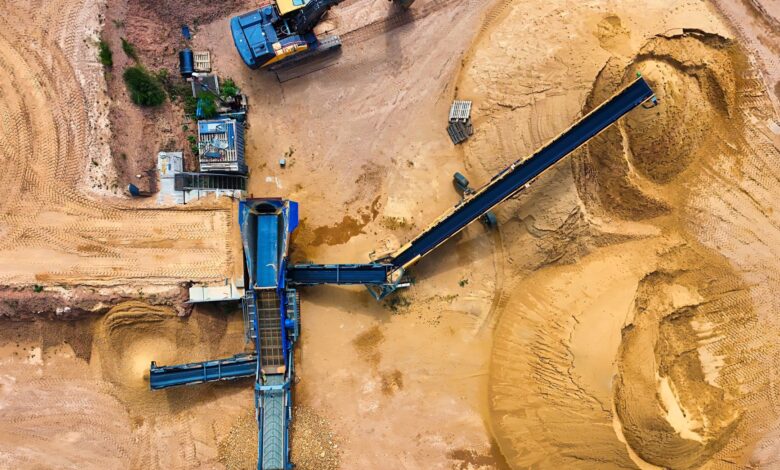
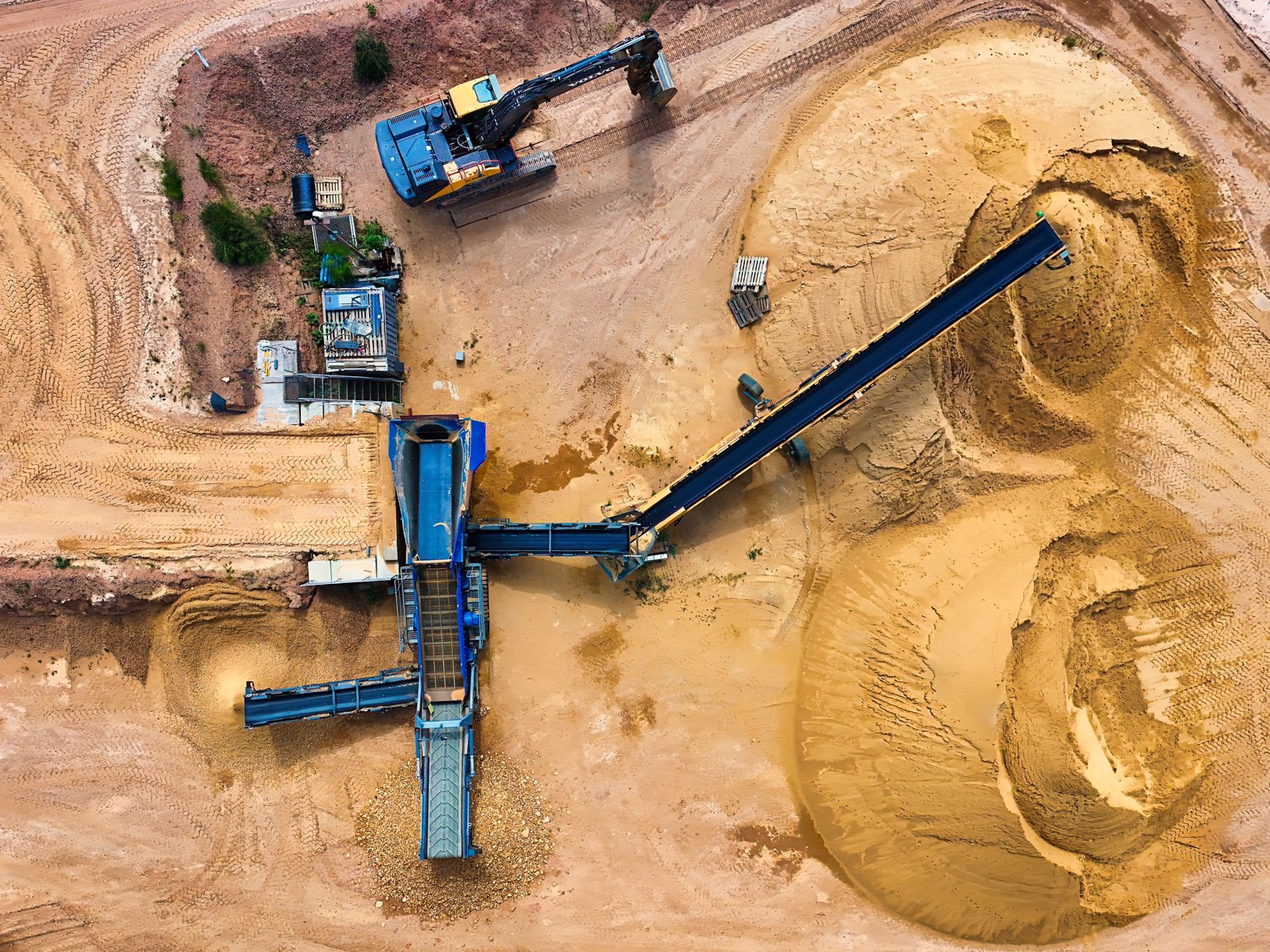
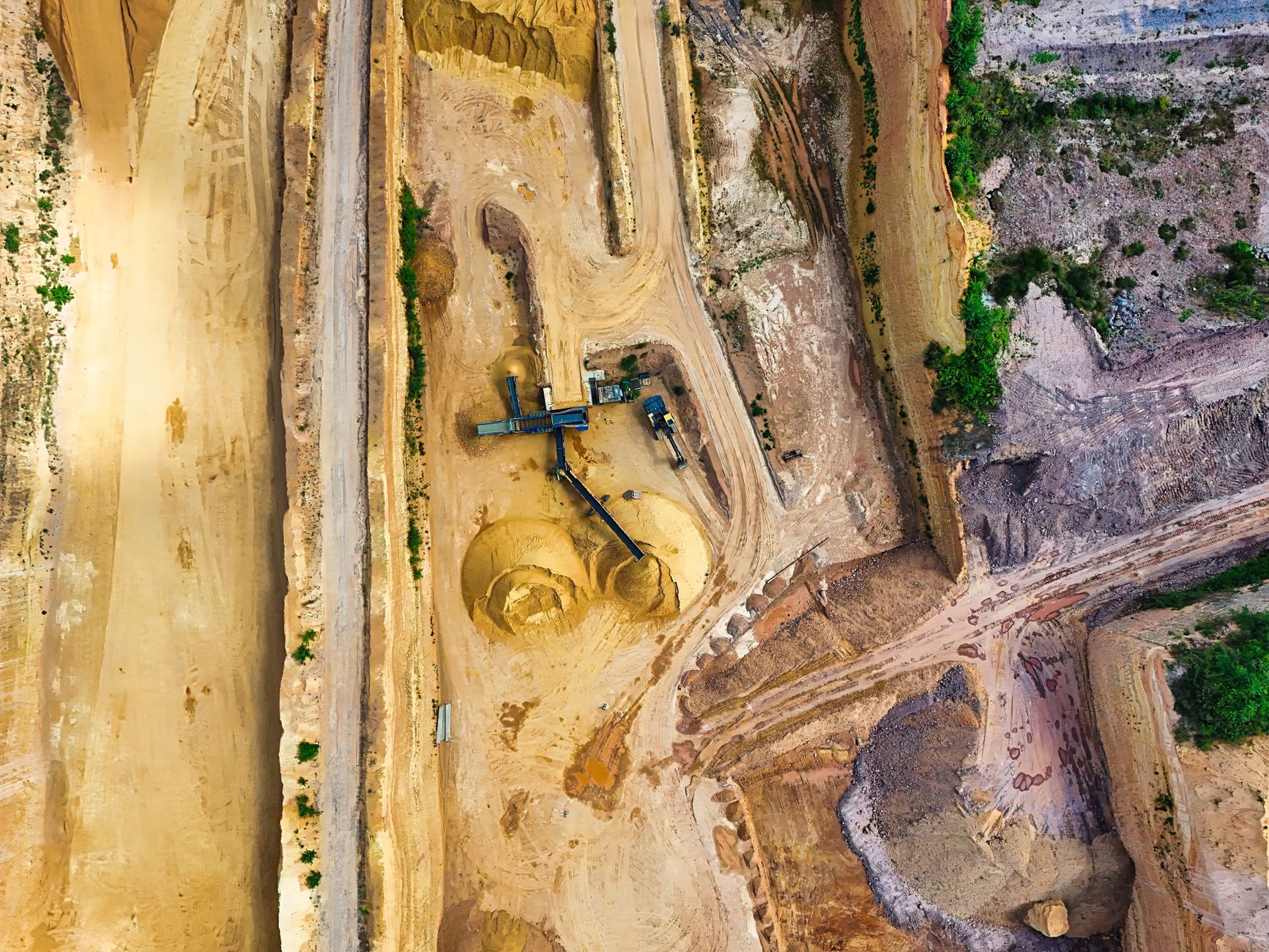
Sand royalty streams work through a deed or lease agreement attached to a specific parcel of land. The landowner or a subsequent royalty buyer receives a fixed percentage, typically between two and five percent of gross revenue, every time the operator extracts material. The most commercially significant category right now is frac sand, the high-purity silica used to prop open fractures in oil and gas wells during hydraulic fracturing. Demand for frac sand is directly tied to domestic drilling activity, which has remained elevated across the Permian Basin and other major shale plays.
Beyond frac sand, industrial sand feeds glass manufacturing, foundry casting, water filtration, and construction. Royalty streams on properties serving those end markets carry different demand profiles, generally less volatile than frac sand but also less lucrative at peak cycles. Some endowment allocators are structuring exposure across both categories, treating frac-sand royalties as a higher-yield, cyclically sensitive position and industrial-sand royalties as a steadier income floor. The logic mirrors how fixed-income managers blend high-yield and investment-grade paper.
Acquiring these royalties has historically required either direct land ownership or a private negotiation with a landowner willing to carve out a royalty interest and sell it separately from the surface or mineral rights. A secondary market for packaged royalty streams is now developing, with specialist firms aggregating individual interests across multiple properties and selling fractional stakes to institutional buyers. This is the mechanism that makes endowment-scale participation practical. Without aggregation, a $500 million endowment cannot efficiently deploy even a one-percent allocation into a market that trades in individual parcels.
Why Endowments Are Looking Here Now
The timing is connected to two converging pressures. First, traditional private credit and real asset strategies have attracted so much institutional capital over the past five years that entry valuations have compressed. Sand royalties, being less trafficked, still offer yield premiums relative to comparably structured royalty streams in oil and gas. Second, endowments with energy-transition commitments face a real tension: they need real-asset income but have reduced or capped direct fossil fuel equity exposure. A sand royalty is not an equity stake in a drilling company. It sits on the land side of the transaction, and some investment committees have concluded it falls outside the scope of their energy divestment policies. That classification is debated, but it gives allocation teams room to act.
This pattern is not entirely new territory for endowments. The same institutions that have been building stakes in carbon dioxide pipeline easements are applying a similar logic here: find the passive, land-linked, infrastructure-adjacent income stream that sits one layer removed from direct commodity production risk. Sand royalties fit that description cleanly.

The Risk Profile That Investment Committees Are Weighing
Sand royalties are not without meaningful risk. The most direct threat is mine abandonment. If an operator shuts down production because the economics turn unfavorable, royalty income drops to zero until a new operator steps in or the lease is restructured. In regions where frac sand demand is highly dependent on a single shale basin, a sustained decline in drilling activity can idle an entire cluster of mines simultaneously. Royalty holders have no recourse to force production and no mechanism to recover lost income from prior periods.
Reclamation and environmental liability add a secondary layer of complexity. While royalty owners typically carry no direct remediation obligation, the legal structure of some older royalty agreements is ambiguous enough to create exposure if courts interpret the royalty holder as a functional co-owner of the mineral interest. Most institutional buyers are demanding clean title opinions and modern agreement structures specifically to wall off that risk, but legacy royalties acquired through secondary markets require careful legal review.
Geographic concentration is the third consideration. The highest-quality frac sand deposits in the United States are concentrated in Wisconsin and Minnesota, with secondary clusters in Texas and Oklahoma. An endowment building a diversified royalty portfolio must deliberately spread across multiple states and multiple end-market categories to avoid the scenario where one regulatory change, one basin slowdown, or one large operator bankruptcy wipes out a substantial portion of the income stream. Diversification within this asset class requires more active management than it might appear from the outside.
Despite those risks, the structural case holds for institutions with long time horizons and genuine illiquidity tolerance. Sand royalties are not marked to market daily. Income tends to smooth over multi-year periods in ways that quarterly commodity price swings do not fully capture. For an endowment that measures performance over ten-year rolling windows, that smoothing effect has real portfolio value. The asset class also carries low correlation to public equity and bond markets, which is increasingly difficult to find in alternatives that have become crowded with institutional money.
The more pointed question is whether the current window for favorable entry pricing will last. Specialist aggregators are actively raising capital, and if two or three large endowments publicly disclose meaningful allocations in their next annual reports, the institutional interest that has so far been quiet will accelerate fast. At that point, royalty sellers will have considerably more leverage in negotiations, and the yield premium that makes this category attractive today will compress toward the levels already seen in oil and gas royalty markets. The endowments moving now are betting that they are early enough to matter.