
The Quiet Accumulation
Sulfur storage terminal leases are not the kind of asset that shows up in a university endowment’s annual report. They don’t generate headlines, they don’t attract retail investors, and they don’t carry the narrative appeal of clean energy or technology bets. That’s precisely why a growing number of large institutional investors – particularly endowments managing long-horizon capital – have been building exposure to them with almost no public fanfare.
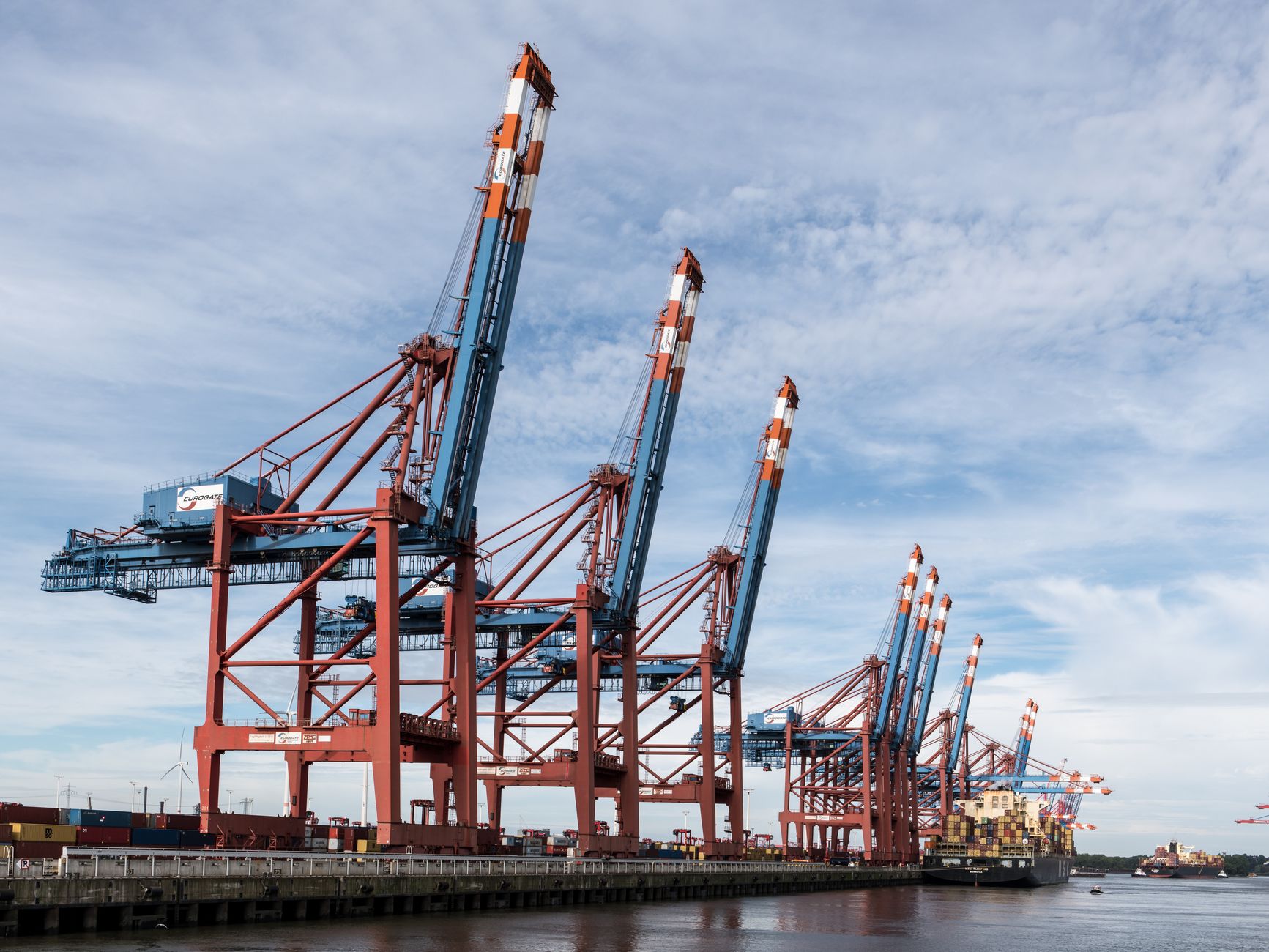
The mechanics are straightforward: sulfur, a byproduct of oil refining and natural gas processing, must be stored somewhere before it is sold into industrial markets for fertilizer production, chemical manufacturing, and rubber processing. The terminals that handle this storage occupy real estate governed by long-term ground leases – often spanning 20 to 40 years – that produce steady, contracted cash flows with inflation-adjustment clauses baked in. For endowments that measure success across decades, not quarters, that structure is nearly ideal.
The play is less about sulfur itself and more about the irreplaceable infrastructure sitting beneath it.
Why Endowments Are Drawn to This Corner of the Market
Endowment investment offices operate under a distinct mandate: preserve capital across generations while generating enough annual return to fund operations, scholarships, and institutional commitments without drawing down principal. That mandate pushes allocators toward assets with long duration, low correlation to public markets, and income streams that hold up during economic stress. Sulfur terminal leases check all three boxes in ways that more familiar alternatives do not.
Unlike commodity investments that expose a portfolio to price swings in sulfur itself, a lease position sits one layer removed from the commodity cycle. The endowment isn’t betting on sulfur prices going up – it’s collecting rent from the operator who is. The terminal owner pays the lease regardless of whether sulfur prices are rising or falling, because the facility itself is essential to the operator’s business. Shutting down storage operations to avoid a lease payment isn’t a realistic option when the alternative is halting an entire refinery’s waste-handling process. This structural necessity makes the income stream more durable than it might appear at first glance.
There’s also a scarcity argument that allocators find difficult to dismiss. Permitting new industrial storage facilities near port infrastructure has grown substantially harder over the past decade. Environmental reviews, community opposition, and zoning constraints mean that existing terminal sites carry a locational premium that compounds over time. An endowment that secures a ground lease position at an existing terminal isn’t just buying current income – it’s acquiring a foothold in infrastructure that would be extraordinarily difficult and expensive to replicate. That kind of asset doesn’t get cheaper as regulatory barriers rise.
The Structure of the Trade
Endowments typically access these positions through private infrastructure funds or direct co-investment deals alongside specialized real asset managers. The lease itself may be structured as a sale-leaseback transaction, where an endowment-backed vehicle purchases the land beneath a terminal and immediately leases it back to the operator on a triple-net basis – meaning the operator handles taxes, insurance, and maintenance. The endowment collects a base rent with periodic escalators tied to the Consumer Price Index or a fixed annual step-up, whichever is higher.
This is similar in architecture to the ground lease strategies some endowments have employed across wireless tower ground leases, where the land owner captures long-term income while the operator manages the physical asset above it. The lease duration matters enormously here. A 30-year triple-net ground lease on a terminal positioned at a Gulf Coast port generates a very different risk profile than a shorter, more flexible arrangement. The longer the lease, the more the position behaves like a fixed-income instrument with real asset backing – exactly what an endowment’s liability-matching desk wants.
Pricing these deals requires specialized knowledge of port logistics, refinery operations, and industrial zoning law, which keeps generalist capital out. When fewer buyers understand an asset, bid competition stays thin, and the investors who do understand it can acquire positions at yields that would be competed away if the asset type were more widely covered. Endowments with experienced real assets teams – or access to managers who have been working in industrial ground leases for years – have a genuine informational edge that they’re actively using.

Risk Factors That Don’t Get Ignored
None of this means the trade is without complications. The most obvious concern is the long-term demand trajectory for sulfur, which is heavily tied to global fertilizer consumption and petroleum refining activity. A sustained contraction in either sector – driven by agricultural technology shifts, refinery closures tied to energy transition policy, or disruptions to global trade flows – would reduce the operator’s willingness or ability to maintain lease obligations over a multi-decade horizon. Endowments underwriting these deals are implicitly making a bet that global industrial activity doesn’t collapse in ways that make sulfur handling facilities obsolete.
Credit quality of the terminal operator is another variable that shapes the risk profile significantly. A lease backed by a large, investment-grade refining company is a fundamentally different instrument than one backed by a smaller regional operator with leveraged balance sheets. Endowment teams that have done this work carefully tend to focus on counterparty quality as the primary underwriting consideration – the asset itself matters less than who is contractually obligated to pay rent on it for the next three decades. Lease covenants, parent guarantees, and termination provisions all become subjects of detailed legal scrutiny before capital is committed.
Environmental liability is also a genuine concern, though the ground lease structure provides a layer of separation. In a triple-net lease where the operator controls the surface operations entirely, liability for environmental remediation typically attaches to the operator rather than the landowner. But “typically” is doing real work in that sentence – lease terms vary, environmental law evolves, and endowments with exposure to industrial sites have legal teams reviewing indemnification language closely before deals close.

Where This Fits in the Broader Allocation Picture
Sulfur terminal leases are not a standalone strategy – they sit within a broader push by sophisticated endowments to build out what some allocation frameworks call “essential infrastructure income.” This category encompasses assets where the underlying activity is non-discretionary, the real estate is difficult to replicate, and the lease structure creates an income stream that performs independently of equity market cycles. The category has expanded considerably as endowments have looked for yield in a world where traditional fixed income no longer delivers the returns needed to meet annual spending targets without capital erosion. What makes sulfur terminal leases specifically interesting right now is that the asset type remains genuinely undercovered – the investor base is thin, the market is fragmented across dozens of port regions, and the transaction volume is low enough that pricing has not yet been driven to the levels seen in more popular industrial property categories. That window doesn’t stay open indefinitely once the first few endowments publish detailed allocation disclosures and the broader market starts paying attention.