

The Quiet Shift in Endowment Portfolios
University endowments and large nonprofit foundations have spent the past decade hunting for yield in increasingly obscure corners of the market. The latest destination: infrastructure royalty streams – contractual cash flows tied to pipelines, toll roads, transmission lines, and water systems that generate income over decades-long horizons. These are not equity stakes in infrastructure companies. They are rights to receive a portion of revenue produced by physical assets, structured more like royalties than ownership.
The appeal is duration. Most institutional portfolios carry fixed income that matures in five to ten years, leaving allocators constantly reinvesting at whatever rate the market offers. Infrastructure royalty streams can lock in contracted cash flows for 20, 30, or even 50 years, giving endowments something genuinely rare: predictable long-dated income that doesn’t require a credit rating upgrade or a central bank pivot to deliver returns.
Why Duration Matters More Than Yield
Endowments operate on a different timeline than hedge funds or retail investors. A university’s investment office is managing capital that should theoretically exist forever, funding scholarships and research in perpetuity. That means duration mismatch – holding short assets against very long obligations – is an actual structural problem, not just a theoretical one. Infrastructure royalty streams solve this in a way that most fixed income products cannot.
A standard corporate bond pays coupons for seven years and returns principal at maturity, forcing reinvestment. A royalty interest in a natural gas transmission corridor might pay quarterly distributions for 40 years under a take-or-pay contract, with inflation escalators written in. The reinvestment risk nearly disappears. For endowments spending four or five percent annually while targeting six or seven percent total returns, eliminating that drag matters considerably over multi-decade compounding.

The Structure of Infrastructure Royalties
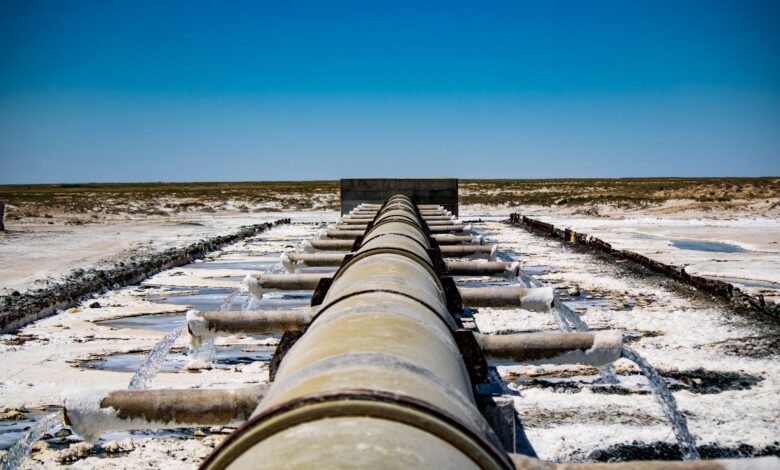
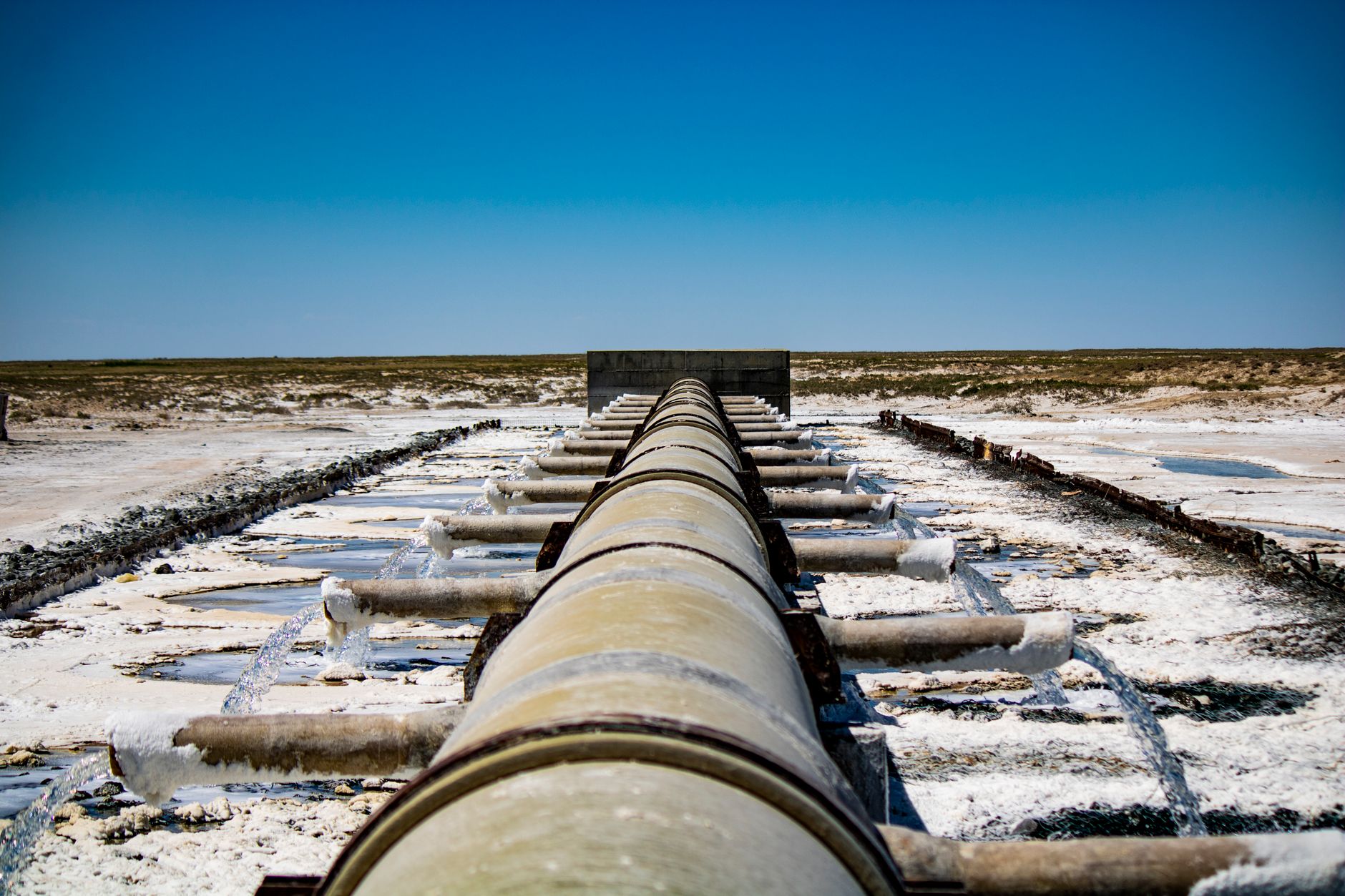
Infrastructure royalty streams come in several forms, and the distinctions matter for how endowments book them and what risks they actually carry. Pipeline royalties are often carved out of the underlying asset’s revenue, detached from operating expenses and capital expenditure obligations. The royalty holder receives payment regardless of whether the operator upgrades the compressor stations or resigns a union contract. That separation from operating costs is the defining feature that makes these instruments behave more like bonds than private equity.
Toll road royalty structures work similarly. Rather than owning shares in the concession company, a royalty investor holds a contractual right to a percentage of gross toll revenue over a fixed term. If traffic volumes grow, distributions increase. If the operator faces cost overruns from maintenance, that is their problem, not the royalty holder’s. The asymmetry is deliberately constructed to attract capital that wants stable income without operational exposure.
Water system royalties are newer and less standardized, but growing. Municipal water infrastructure in the United States is chronically underfunded, and some utilities have begun structuring royalty-like agreements to attract private capital without full privatization. An endowment entering these deals essentially lends its balance sheet credibility in exchange for a senior revenue claim, often backed by the utility’s rate-setting authority – the closest thing to a guaranteed revenue source that exists in domestic infrastructure.
Transmission line royalties occupy a particularly attractive spot right now because electricity demand is climbing due to data center buildouts and industrial electrification. A royalty on transmission capacity that was structured in 2015 based on one set of demand projections now looks significantly underpriced relative to actual throughput. Endowments acquiring these positions in secondary markets are essentially buying mispriced duration at a discount.
How Endowments Access These Positions
Direct acquisition of infrastructure royalty streams requires deal flow that most endowments cannot source independently. The typical path runs through specialized private credit funds and royalty-focused GP platforms that aggregate individual interests into fund structures. A few larger endowments with dedicated infrastructure teams co-invest directly alongside these managers, taking fractional interests in specific royalty packages rather than commingled fund exposure. That distinction matters for fee efficiency and control over duration targeting.
Secondary market activity in infrastructure royalties is still thin compared to private equity secondaries, but volume has been building. Original royalty holders – often energy companies that carved out royalty interests to raise capital during lean periods – occasionally sell these positions to manage their own balance sheets. Endowments with patient capital and low liquidity needs are natural buyers. They do not need quarterly marks to satisfy redemption queues, which makes them better holders of illiquid long-duration positions than most other institutional categories.

The Risks That Don’t Go Away
Duration extension carries interest rate risk that endowments cannot ignore. A 40-year royalty stream valued at a four percent discount rate becomes significantly less valuable if market rates rise to six percent and stay there. Unlike a bond that matures and allows reinvestment at higher rates, a long-duration royalty keeps paying its contracted amount while its present value erodes. Endowments buying these positions at current prices are making an implicit bet that rates either decline or remain range-bound over decades.
Counterparty risk is also non-trivial. A royalty on a pipeline means nothing if the pipeline operator defaults and the physical asset is abandoned or repurposed. Legal protections for royalty holders vary by jurisdiction, contract structure, and asset type. Water system royalties backed by municipal rate authority are structurally different from royalties on a merchant pipeline operating in a deregulated market. The category sounds homogeneous but requires deal-by-deal scrutiny that generalist endowment teams may not be equipped to provide without external advisory support.
There is also political and regulatory duration to consider. A 50-year royalty on a natural gas transmission asset assumes that natural gas remains a legal, economically viable product for five more decades. Energy transition risk is not priced uniformly across infrastructure royalty deals, and some agreements contain no early termination provisions that would compensate the royalty holder for stranded asset scenarios. Endowments comfortable holding these positions need genuine conviction – or contractual protection – about the asset’s operating life, not just its financial structure.
Frequently Asked Questions
What are infrastructure royalty streams?
They are contractual rights to receive a portion of revenue from physical infrastructure assets like pipelines or toll roads, structured like royalties rather than equity ownership.
Why are endowments attracted to these instruments?
Infrastructure royalties offer very long-dated cash flows – sometimes 30 to 50 years – which helps endowments match their perpetual obligations without constant reinvestment risk.