
The Quiet Play Beneath the Tracks
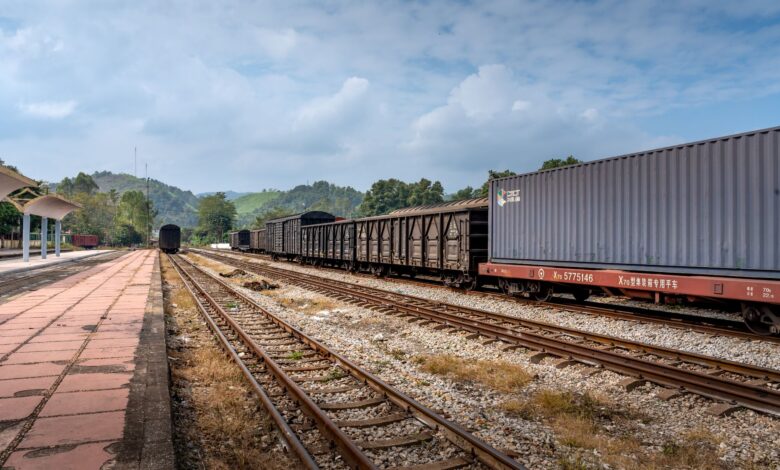
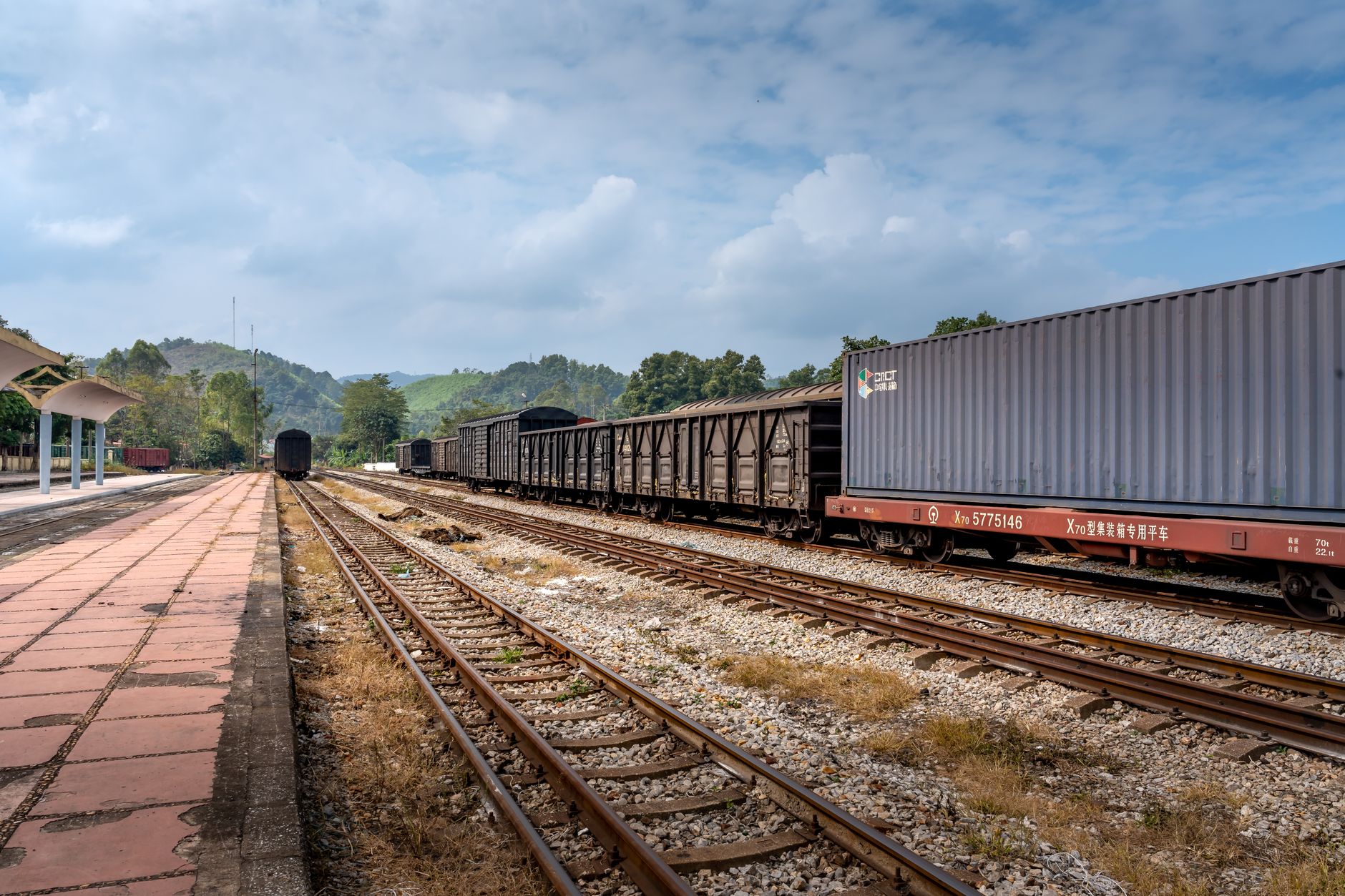
University endowments and large charitable foundations have spent years diversifying beyond stocks and bonds into real assets – timberland, farmland, infrastructure debt. The latest move in that progression is less visible but financially logical: accumulating long-term lease positions in freight rail terminal properties. These are not equity stakes in railroad companies. They are direct leasehold interests in the physical land and structures where intermodal containers change hands, where bulk commodities load onto flatcars, and where the first and last miles of supply chains converge.
The appeal is structural. Freight rail terminals occupy land that is, in most cases, irreplaceable. Zoning constraints, proximity to main rail lines, and decades of capital investment in loading infrastructure make these sites extraordinarily difficult to replicate. A lease on a well-positioned terminal gives the holder a claim on that scarcity for 20, 30, or even 50 years, with rent escalators tied to inflation indices built into most long-term agreements.
Endowments are not buying railroads. They are buying time on the ground beneath them.
Why Terminal Leases Work as an Asset Class
The cash flow profile of a freight terminal lease resembles a long-duration bond more than an operating business. A tenant – typically a short-line railroad operator, a third-party logistics firm, or an industrial shipper – pays rent on a fixed schedule, often with contractual floors that prevent revenue from falling below a set baseline even in weak freight cycles. For endowments that measure their investment horizons in generations rather than quarters, that predictability is worth paying a premium to access.
There is also a volume dimension that distinguishes terminal leases from simpler net-lease real estate. Many agreements include throughput clauses: if cargo volume through the terminal exceeds defined thresholds, the lessor collects additional fees. This gives endowments quiet exposure to freight demand growth without the operational complexity of running logistics infrastructure themselves. When import volumes rise or domestic manufacturing expands, the lease produces more income automatically, without renegotiation.
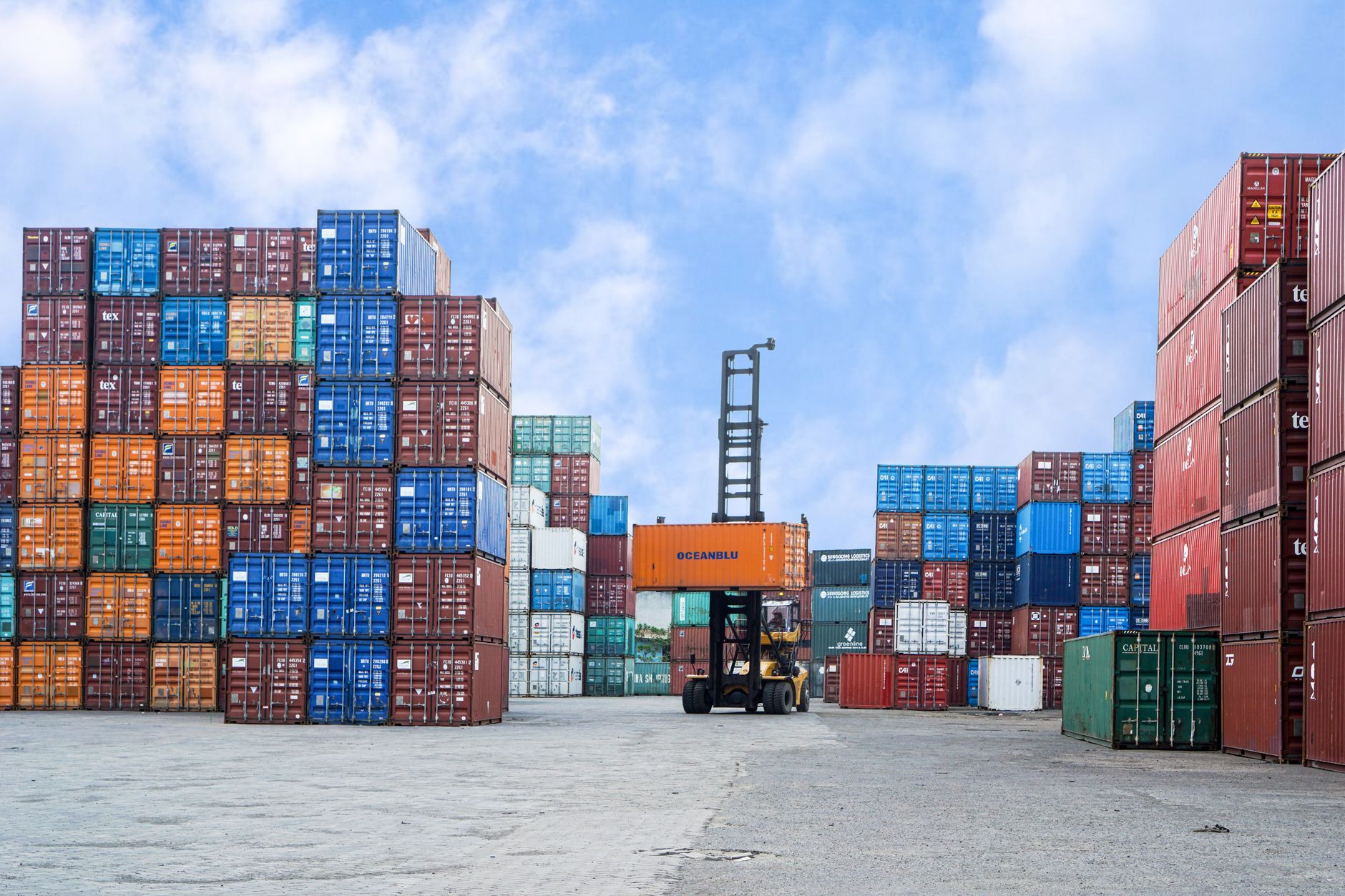
The downside risks are real but manageable. A terminal tied to a single commodity – coal export facilities are the obvious cautionary example – carries concentration risk that diversified freight terminals do not. Endowment investment offices building positions in this space are, from all available signals, focused on intermodal hubs and multi-commodity facilities rather than single-use installations. The distinction matters because intermodal volume has grown consistently as trucking costs rise and shippers seek alternatives for long-haul freight.
How Endowments Are Getting In
Direct ownership of terminal leases is not a realistic option for most institutions. The market is illiquid, transaction sizes are irregular, and due diligence requires specialized knowledge of rail operating agreements, environmental liabilities, and surface transportation law. Most endowments are accessing the space through dedicated infrastructure funds that aggregate these positions, or through co-investment arrangements alongside larger institutional partners who have already built the underwriting capability in-house. This is a pattern consistent with how endowments approached railroad corridor easements in earlier investment cycles – indirect entry first, direct positions later as familiarity grows.
The fund structures being used tend to be closed-end vehicles with 15 to 20-year lives, which suits the underlying assets well. Endowments can lock capital away for long periods without the liquidity pressures that constrain pension funds or insurance companies. That patience is a genuine competitive advantage. Sellers of terminal leases – often railroad holding companies looking to monetize real property without surrendering operating control – prefer counterparties who will not demand early exits or push for asset restructurings. Endowments fit that profile cleanly.
Valuations in this space are not published on any exchange, which creates both opportunity and difficulty. Without transparent pricing, buyers with strong research capabilities can acquire positions at discounts that would not exist in a liquid market. But the same opacity makes portfolio valuation a periodic exercise in informed estimation rather than market-price verification. Endowment auditors and investment committees have to accept a degree of appraisal-based valuation for these holdings, which introduces its own governance considerations.
The Strategic Logic at the Portfolio Level
For an endowment running a multi-billion dollar portfolio, freight terminal leases serve a specific function: they provide inflation protection, low correlation to public equity markets, and income that is contractually insulated from short-term economic noise. When stock markets drop sharply, the rent on a terminal lease in a major inland port does not move with it. That decoupling is the point.
There is also a supply-side argument that gets less attention than it deserves. The United States has not built significant new intermodal terminal capacity in most major markets for years. Land near active rail corridors in urban and near-urban areas is expensive, contested, and subject to community opposition. The terminals that exist are, in many cases, the terminals that will exist for the next several decades. Holding a lease on one of them means holding a position in an asset that cannot be easily created to compete with it.
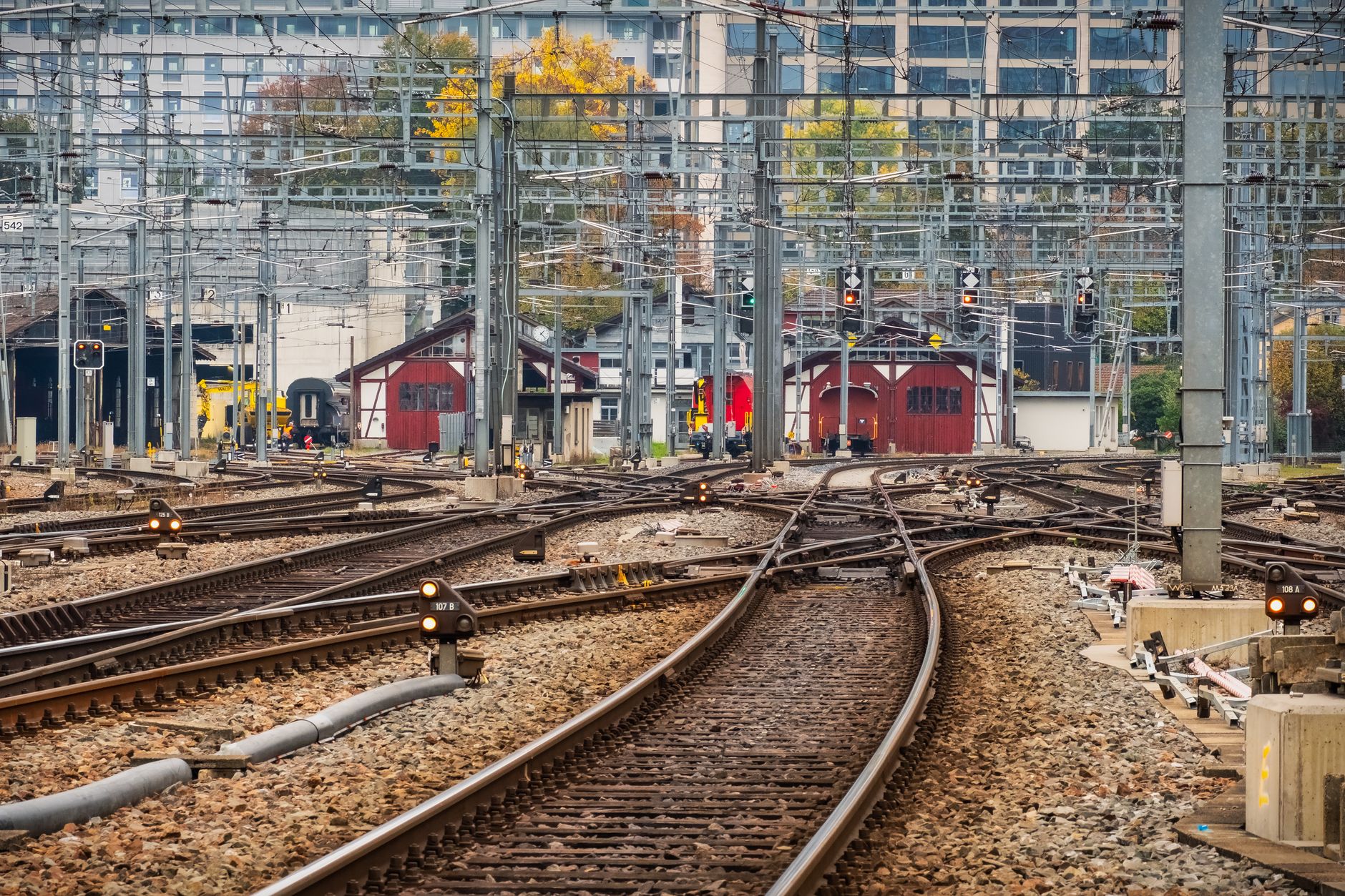
Endowments entering this space now are not early in any absolute sense – sophisticated infrastructure investors have been circling freight real estate for years. But relative to the eventual scale of institutional interest in rail-adjacent property rights, the current moment is still early. The institutions moving quietly into terminal lease positions today are betting that this asset class, still obscure enough to lack a standard name in most portfolio allocation frameworks, will look obvious in retrospect – and that by the time it does, the best positions will already be taken.