

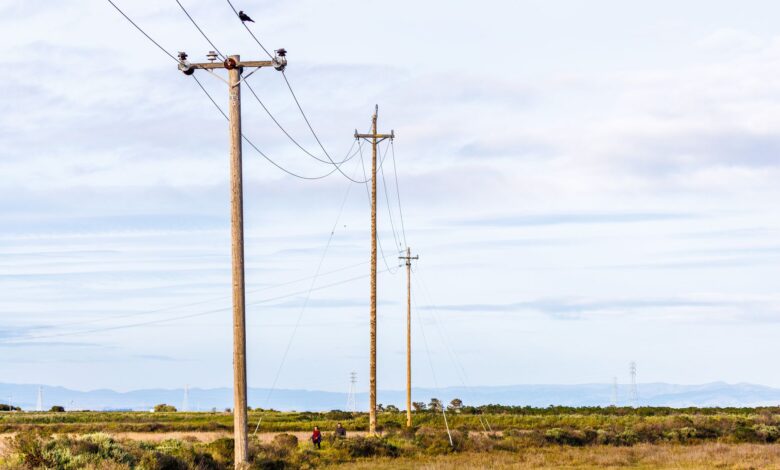
The Quiet Land Grab Beneath America’s Power Grid
Electricity transmission easements – the legal rights that allow high-voltage power lines to cross private land – have become a surprising target for hedge fund capital, with a growing number of alternative asset managers acquiring these rights either directly or through intermediary vehicles, largely outside public view.
Why Transmission Easements Have Become a Financial Asset
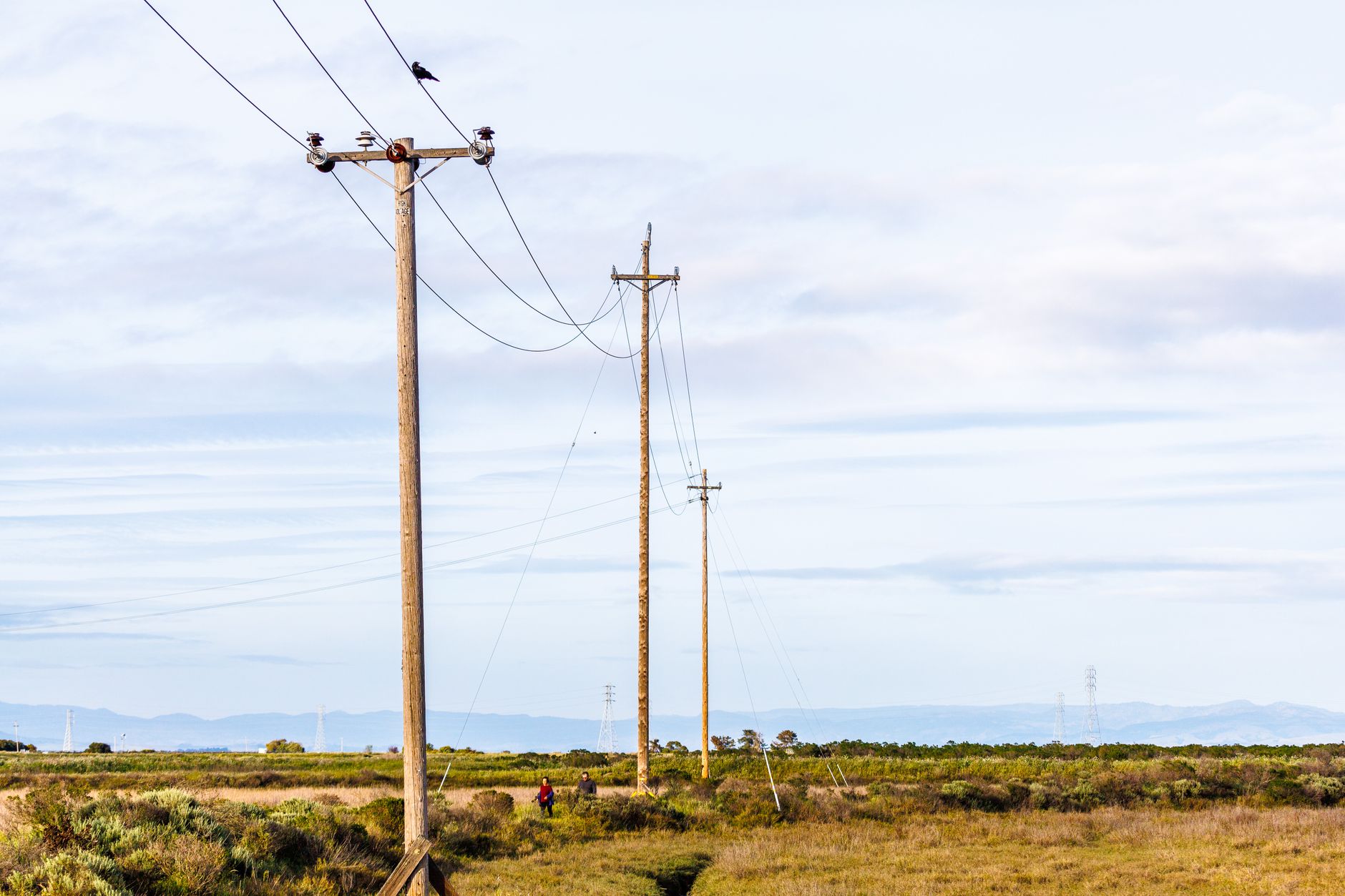
An easement is not ownership of land. It is the right to use a defined strip of that land for a specific purpose – in this case, running transmission infrastructure. What makes electricity transmission easements particularly attractive to sophisticated investors is their structural durability. Once recorded, an easement typically runs with the land indefinitely, survives ownership changes, and cannot easily be revoked. For a fund looking at 10- to 20-year return horizons, that permanence is exactly what it wants from an infrastructure-adjacent asset.
The financial logic compounds from there. Transmission easements sit near the top of the utility value chain. Without the right to cross land, power cannot move from generation sites to load centers – cities, industrial facilities, data centers. That bottleneck position gives easement holders quiet but durable pricing leverage, particularly as grid operators face mounting pressure to expand capacity. The energy transition is not just about solar panels and wind turbines. It requires thousands of miles of new transmission corridors, and every one of those corridors starts with an easement negotiation.
Hedge funds are not replacing utilities in this space – utilities still build and operate the lines. What sophisticated capital is doing is acquiring the underlying right-of-way positions, often from landowners who originally granted easements decades ago and now have heirs willing to sell, or from smaller developers who secured easement options speculatively and need liquidity. The fund then holds a position that generates income through lease renegotiations, easement amendments, or outright sale to a transmission developer when a project advances to construction.
The analogy to crude oil storage lease accumulation is direct: in both cases, the underlying commodity moves through infrastructure the fund does not operate, but the fund controls access rights that infrastructure depends on. The income stream is contractual, not operational, which makes it attractive to capital that does not want to manage physical assets.
How the Accumulation Strategy Actually Works
The mechanics of accumulating transmission easement positions are deliberately quiet. A fund rarely appears on the title record as the holder. Instead, it typically structures a special purpose vehicle – a limited liability company with a neutral name – that acquires easement rights or options on easement rights. That SPV then becomes a portfolio position. From the outside, the transaction looks like a routine real estate conveyance. From the inside, it is a targeted bet on grid expansion.
The sourcing pipeline runs through several channels. Land brokers who specialize in utility right-of-way work maintain relationships with rural landowners who hold legacy easements. Independent power developers who secure easement options early in project development sometimes sell those options before construction permits are secured, providing funds with access to pre-construction corridor rights at a discount to eventual value. Estate attorneys handling rural property transfers increasingly see offers emerge for easement rights that previous generations of landowners did not know were financially separable assets.
Pricing is opaque by design. There is no centralized market for transmission easement rights, no exchange, no standardized contract. Values depend on corridor width, voltage class, geographic location, proximity to load or generation, and whether any transmission developer has already expressed formal interest in the route. A 100-foot easement strip across farmland in a state with aggressive renewable interconnection queues can command dramatically different pricing than an identical strip in a region with a saturated grid. That opacity, frustrating to landowners, is a feature rather than a bug for funds that profit from information asymmetry.

The regulatory dimension adds another layer of complexity – and opportunity. In most U.S. jurisdictions, a private entity that holds an easement but does not operate as a public utility faces limited regulatory scrutiny. Transmission developers and utilities are heavily regulated; easement holders are not. That gap allows funds to sit between landowners and developers without triggering the oversight that utility ownership would bring. When federal agencies and state commissions eventually scrutinize who controls critical transmission corridors, this structure may face pressure. For now, it remains largely invisible to regulators focused on the operating companies rather than the underlying rights.
The return profile differs from typical real estate or infrastructure funds. There is no guaranteed income while a fund waits for a transmission project to advance. The value is event-driven: a developer selects a corridor, triggers easement negotiations, and the fund holding the existing rights is suddenly a necessary counterparty. The hold period could be three years or twelve. That uncertainty keeps many conventional real estate funds away, leaving the field to managers comfortable with illiquid, event-dependent payoffs – exactly the profile that characterizes certain hedge fund strategies built around distressed or special situations.
Grid Expansion Makes the Bet More Credible
The investment thesis depends on transmission actually getting built, and the current policy and market environment provides more evidence for that outcome than at any point in the past two decades. Interconnection queues at regional grid operators have grown to record lengths, driven largely by renewable energy projects that require new transmission to reach population centers. States are setting aggressive clean energy standards. Large industrial users – including data center operators running AI workloads – are signing long-term power agreements that create guaranteed demand for new capacity. Each of these forces pushes toward more transmission construction, which pushes toward higher demand for the corridor rights funds are quietly accumulating.
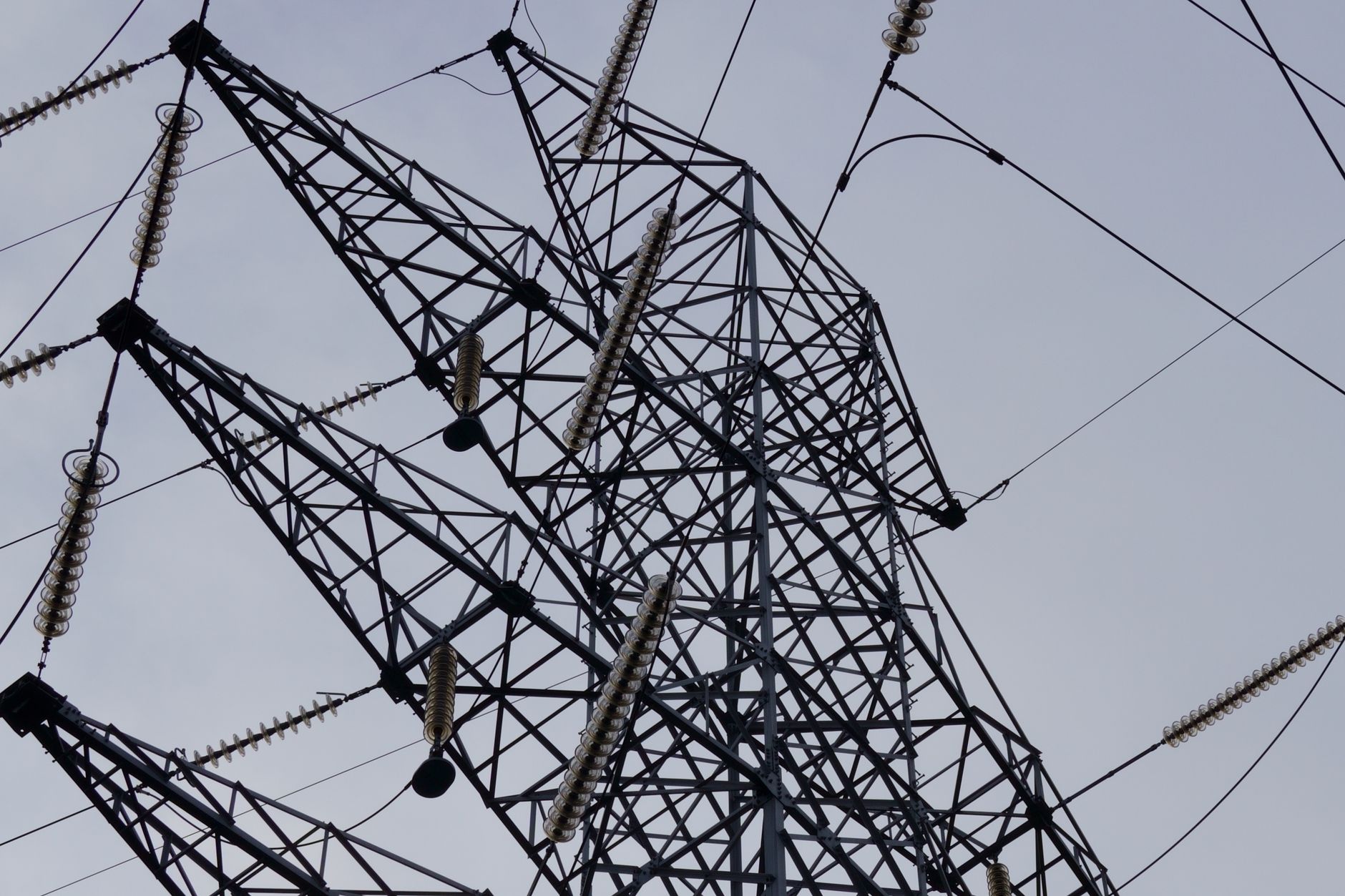
That said, transmission development timelines in the United States remain notoriously long. Permitting disputes, interconnection study delays, and landowner opposition have historically stretched project schedules by years. A fund that acquires an easement position in a corridor where the developer ultimately cannot secure all necessary rights – or where a project stalls in permitting – holds an asset with uncertain liquidity and no income. The strategy is not without real downside risk, and the funds pursuing it are making a directional call on whether the regulatory and political barriers to grid expansion will soften meaningfully over the next decade. That call is not guaranteed to pay off on any particular schedule.