

The Quiet Accumulation
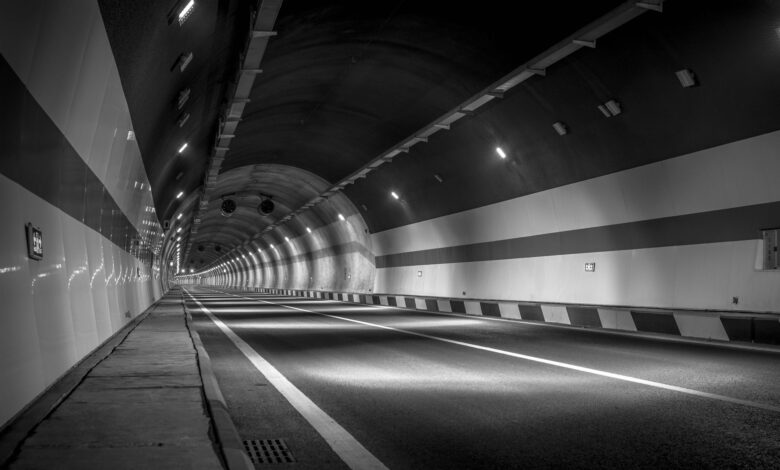
Toll tunnel concessions – long the domain of pension funds and sovereign wealth vehicles – are attracting a different kind of capital. Family offices, the private investment arms managing wealth for ultra-high-net-worth families, are quietly building positions in these infrastructure assets, drawn by a combination of inflation protection, long contract durations, and the kind of low-visibility cash flow that suits wealth preservation over generations.
Why Tunnels, Why Now
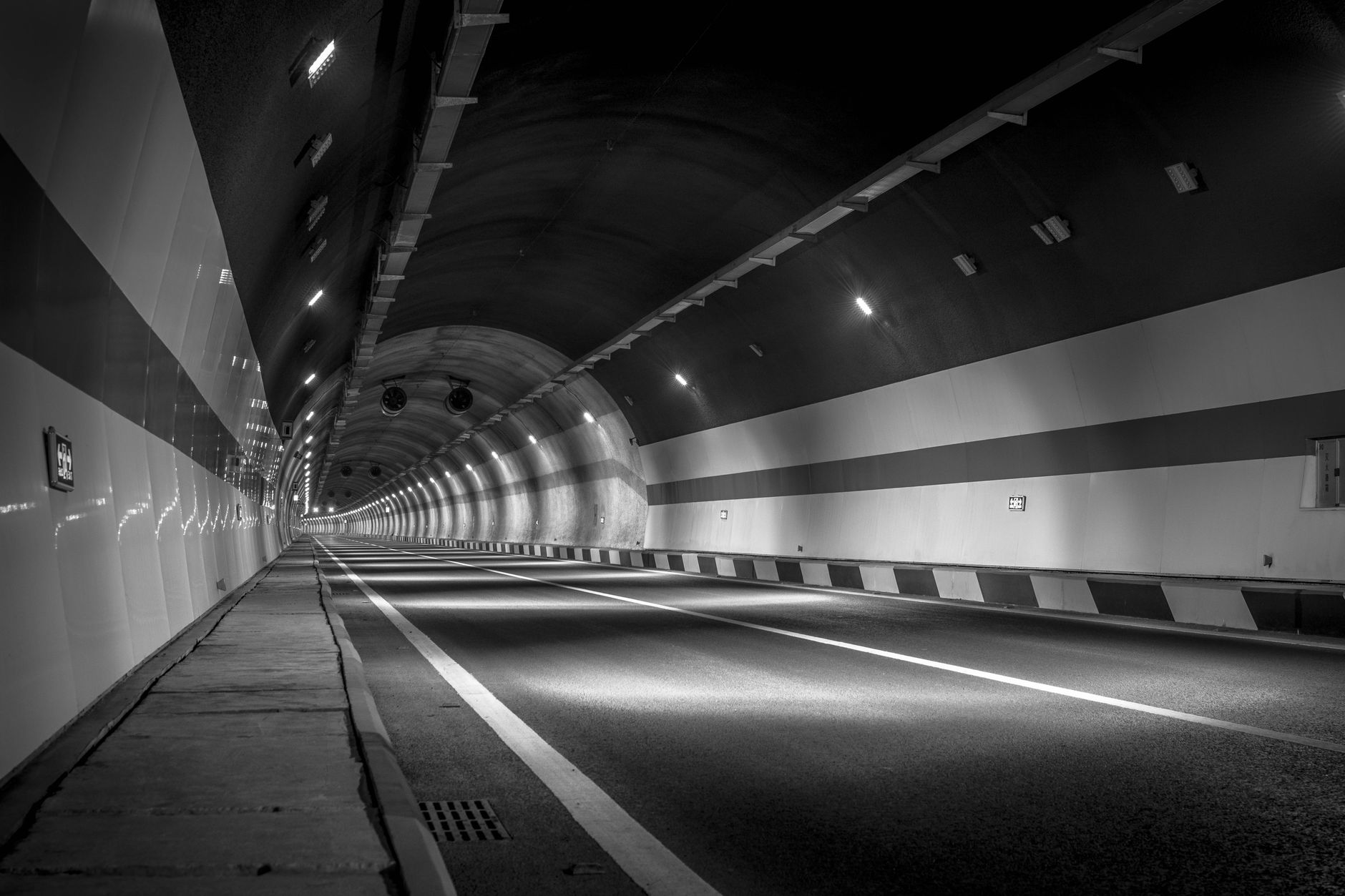
Toll tunnels occupy a specific niche within infrastructure investing that makes them distinctly attractive compared to surface roads or bridges. Because they typically serve as the only viable crossing point in an urban or mountainous corridor, they carry what amounts to a captive user base. Drivers do not choose a tunnel the way they choose a restaurant – geography forces the decision. That structural advantage translates into predictable, recurring revenue that behaves more like a utility than a transportation asset.
Concession agreements for major toll tunnels frequently run between 30 and 99 years, with governments retaining ownership of the underlying infrastructure while a private operator collects tolls and maintains the asset. For a family office managing wealth intended to outlast the current generation, that duration is not a liability – it is the point. The investment horizon matches the mandate. A family thinking in decades, not quarters, finds the 50-year toll concession far more legible than a private equity fund with a five-year exit clock.
Inflation protection is the other gravitational pull. Most modern concession agreements include toll escalation clauses tied to consumer price indices or GDP growth, meaning revenue rises automatically as costs do. When broader asset classes struggle under inflationary pressure, toll infrastructure tends to hold its value because the revenue mechanism adjusts. For families that watched fixed-income portfolios erode in real terms over recent years, that mechanical protection carries significant weight.
The tax treatment of infrastructure concessions adds another layer of appeal. Depending on jurisdiction and structure, depreciation on the concession right itself can offset taxable income generated by toll collections. Family offices with sophisticated tax counsel can often structure positions to minimize current tax drag while accumulating unrealized gains that compound over decades. This is not aggressive tax avoidance – it is the kind of long-horizon fiscal engineering that the asset class was designed to accommodate.

How Family Offices Are Getting In
Direct ownership of a major toll tunnel concession is not realistic for most family offices – the entry price for a primary stake in a large urban crossing can run into the billions. The more common path is co-investment alongside infrastructure funds, where the family office writes a check directly into a specific asset rather than committing to a blind-pool fund. This structure gives families more transparency, lower fees, and the ability to underwrite the asset themselves rather than relying entirely on the fund manager’s judgment.
A secondary market has also developed for existing concession stakes, where early institutional investors or infrastructure funds approaching the end of their fund life sell positions to buyers willing to hold for longer. Family offices with patient capital are natural buyers in this secondary context. They do not need the liquidity event that a fund manager is obligated to provide its limited partners, so they can acquire stakes at prices that reflect the seller’s timeline pressure rather than the asset’s intrinsic value.
Smaller regional tunnels – particularly in emerging markets and secondary European cities – have become accessible to family offices in the $500 million to $2 billion range. These assets often carry higher operational risk and political risk than flagship urban crossings, but they also trade at wider yield spreads. A family office with genuine on-the-ground relationships in a specific country or region can underwrite that local risk better than a global infrastructure fund operating from London or New York, and that informational edge becomes a competitive advantage.
Some family offices are approaching the sector through infrastructure-focused operating companies rather than the concession assets directly. By taking minority stakes in mid-size concession operators – firms that hold multiple tunnel and toll road assets across a portfolio – families get diversified exposure without the concentration risk of a single asset. The operating company structure also provides a management team and deal pipeline, which matters for families that want ongoing deployment without building an in-house infrastructure team from scratch.
The rise of family office interest in long-dated physical infrastructure easements more broadly has built the internal expertise that toll concession investing requires. Families that have already underwritten land-based infrastructure rights understand the legal architecture of concession agreements, the role of government counterparties, and the patience required when an asset’s value compounds slowly over decades rather than through a near-term exit event.
The Risks That Don’t Get Enough Attention
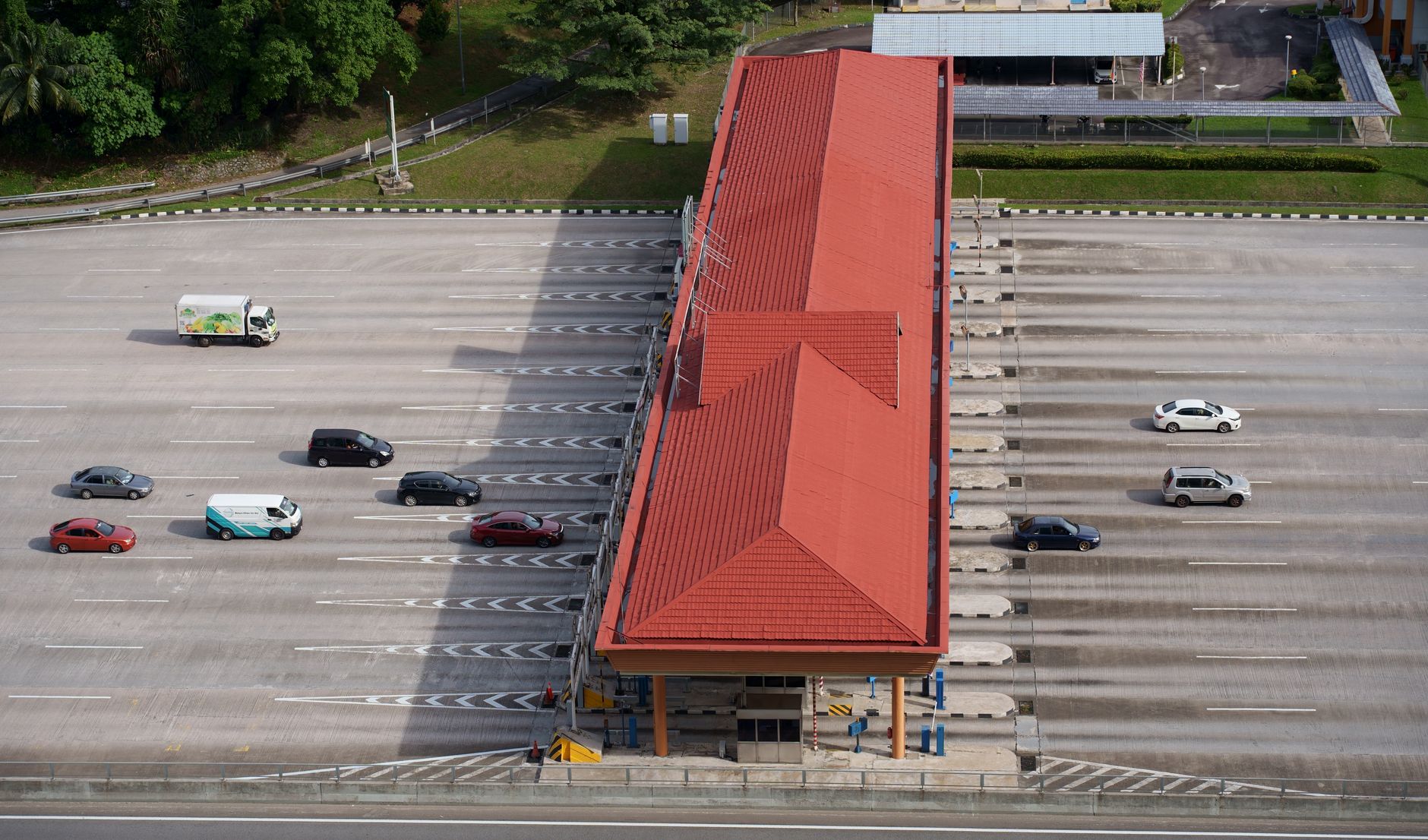
Political risk sits at the top of the concern list for any concession investment. A government facing public anger over high toll costs can impose rate caps, renegotiate contract terms, or in extreme cases nationalize the asset outright. History in Latin America and parts of Southern Europe shows that concession agreements, despite their legal protections, are not immune to political renegotiation when the social and electoral calculus shifts. Families investing in this space without robust political risk insurance or deep jurisdictional knowledge are taking on exposure that does not always show up in the financial model.
Traffic demand risk is a subtler problem. Long-term concession models depend on traffic volume projections extending decades into the future, and those projections carry enormous uncertainty. A tunnel built around peak-hour commuter patterns could face structurally lower utilization if remote work adoption becomes permanent in its catchment area, or if a new rail corridor absorbs vehicle trips that the original model assumed would flow through the toll gate. The inflation escalator protects revenue per user – it does not protect against fewer users.