
The Quiet Accumulation Beneath the Surface
Water rights have long been considered a niche corner of the alternative assets world, but a specific category is drawing concentrated attention from family offices: extraction rights tied to quarry operations. These are not the broad agricultural water rights that have circulated in Western states for decades. They are granular, site-specific legal entitlements that govern how much water a quarry can draw from aquifers, surface sources, or shared water tables – and who collects payment when that water moves.
The shift toward these assets is quiet by design. Family offices rarely file the kind of disclosures that hedge funds and institutional investors must publish, which means the accumulation of quarry water extraction rights happens largely out of public view. That opacity is part of the appeal. When capital concentrates in an asset class without triggering media cycles or competitive bidding wars, the entry prices stay lower and the holding conditions stay favorable.

Why Quarry Water Rights Specifically
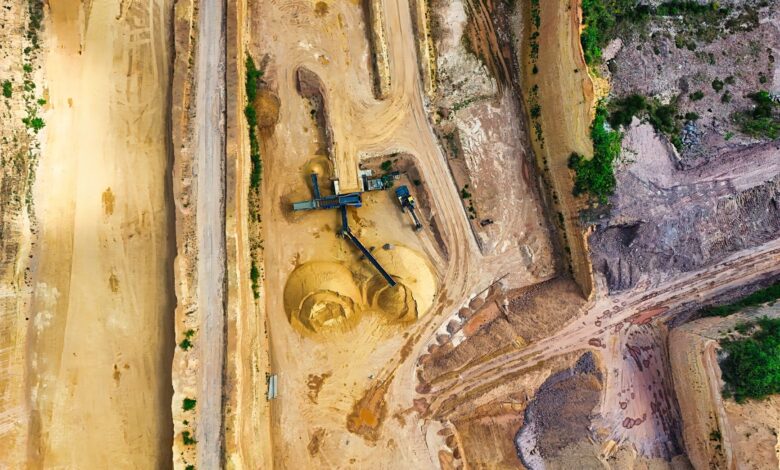
Quarries consume water at rates that most people do not associate with stone or mineral extraction. Dust suppression, equipment cooling, slurry processing, and site drainage all require continuous water access. A mid-size granite or limestone quarry can draw millions of gallons annually, and the rights that authorize that draw are attached to the land, not to the operating company. When a quarry changes hands or shuts down, those rights remain. When a region faces water scarcity and regulators begin restricting new extraction permits, existing rights become dramatically more valuable simply because they cannot be easily replicated.
This is the structural argument that makes quarry water rights attractive outside of operational mining investment. The underlying business – stone extraction – does not need to be performing well for the water right itself to appreciate. A dormant quarry sitting on a grandfathered high-capacity extraction permit in a water-stressed county in the American Southwest or Southeast holds an asset that local municipalities, industrial operators, and agricultural users may eventually compete to access. Family offices are buying the optionality, not the quarry.
The Legal Architecture That Makes This Work
Water law in the United States is a patchwork. States operating under prior appropriation doctrine – primarily in the West – assign rights based on historical use, meaning older rights carry greater seniority and face fewer curtailments during droughts. States under riparian doctrine generally tie rights to land ownership near the water source. Quarry extraction rights often sit at the intersection of both systems, since quarry operations frequently predate modern permitting frameworks and hold rights that would not be granted to a new applicant today.
The legal complexity is a feature, not a complication, from a wealth preservation standpoint. Assets that require specialist legal knowledge to acquire, structure, and transfer tend to remain in fewer hands. A family office with access to water rights attorneys and title specialists can evaluate and close on these positions in ways that retail capital simply cannot. The barrier to entry is professional expertise, not just capital.
Structuring these acquisitions typically involves holding the rights through a land company or special purpose vehicle separate from any operational quarry assets. This separates the income-producing right from the operational liability of running a quarry, which can carry significant environmental remediation obligations. The water right travels with the land, but the quarry’s operational history does not need to attach to the investment vehicle. Family offices accumulating pipeline compression easements have used similar SPV structures to isolate infrastructure rights from operational risk, and the same logic applies here.
In some states, water rights can be severed from the underlying land entirely and held as a standalone asset. This creates a cleaner investment thesis because the holder can lease extraction access to multiple users over time, negotiate usage agreements with municipalities seeking supplemental supply, or simply hold the right as a long-duration inflation hedge. The severed right generates no operational headaches, requires minimal ongoing management, and sits on the balance sheet as a real asset with a legal basis that courts have consistently upheld.

The Income Component
Not all of these positions are purely speculative. A family office that acquires a water extraction right attached to an active quarry or sells extraction access to nearby industrial users can generate ongoing lease income. Water pricing varies significantly by region and scarcity, but the income tends to carry built-in inflation protection because water prices in stressed regions move upward over long periods without the cyclical reversals that affect commodities like oil or metals.
The lease terms on water extraction rights also tend to be long. Industrial and municipal users want supply certainty, so they accept multi-year or multi-decade agreements that lock in access. For a family office managing generational capital, that duration aligns well with the kind of patient hold strategy that characterizes the asset class overall.
Risk Factors That Don’t Get Discussed Enough
The risks in this space are real and not always intuitive. Regulatory risk sits at the top of the list. State legislatures have, in some cases, intervened to modify or restrict existing water rights when public supply pressures become acute enough. A right that appears legally airtight can face legislative challenge, compulsory purchase by a municipality, or court-ordered curtailment during declared water emergencies. The legal durability of these rights varies considerably by jurisdiction.
Environmental litigation is a second exposure point. Quarry water extraction can affect neighboring land, lower local water tables, and interfere with wetland ecosystems. Rights holders can find themselves named in litigation even when they are not the active operators, particularly if the right is being leased to an extraction-heavy user. Legal costs alone can erode yield on smaller positions.

The illiquidity profile also deserves honest acknowledgment. Water rights are not a market with daily pricing and visible buyers. Exiting a position requires finding a counterparty who has done the same legal and geographic diligence that the original buyer performed. In normal conditions, that process takes months. In stressed conditions – say, when a legislative change clouds the right’s future value – finding a buyer at a reasonable price becomes considerably harder. Family offices entering this space with shorter time horizons or liquidity needs elsewhere in the portfolio should treat these positions as truly long-duration commitments, not assets that can be unwound on a reasonable timeline.
Frequently Asked Questions
What are quarry water extraction rights?
They are legal entitlements that govern how much water a quarry operation can draw from aquifers or surface sources, and they remain attached to the land even when the quarry changes ownership or goes dormant.
Why are family offices interested in water extraction rights?
The rights appreciate in value as water scarcity increases and new permits become harder to obtain, while the legal complexity keeps competition limited to buyers with specialist expertise.