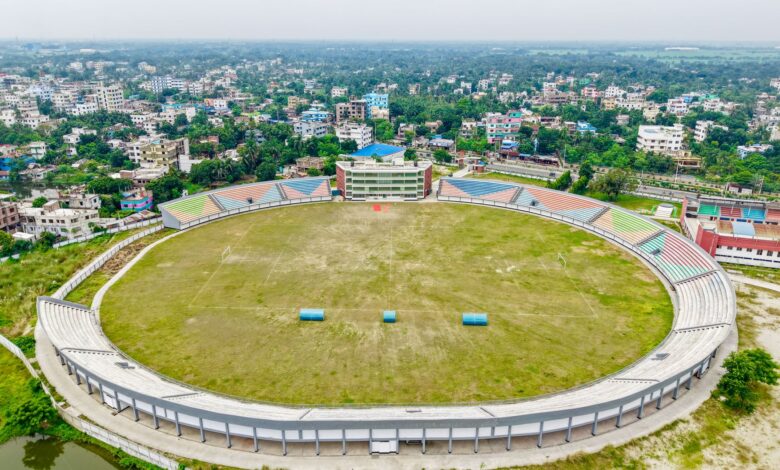
A Quiet Corner of Sports Finance Opens Up
Stadium debt has long been the province of municipal bond desks, insurance companies, and large institutional lenders. These deals move slowly, carry complex lease structures, and require the kind of patient capital that retail investors rarely control. But a growing number of family offices are now showing up in the refinancing rounds of major sports venue debt, taking positions that were historically reserved for pension funds and life insurance companies.
The trend is quiet by design. Family offices rarely issue press releases about their credit allocations, and stadium refinancings are structured in ways that obscure the identity of individual note holders. But advisors working on these transactions report deal tables that now regularly include single-family and multi-family office capital sitting alongside the traditional institutional stack. The appeal is specific and, once you understand the structure, fairly logical.
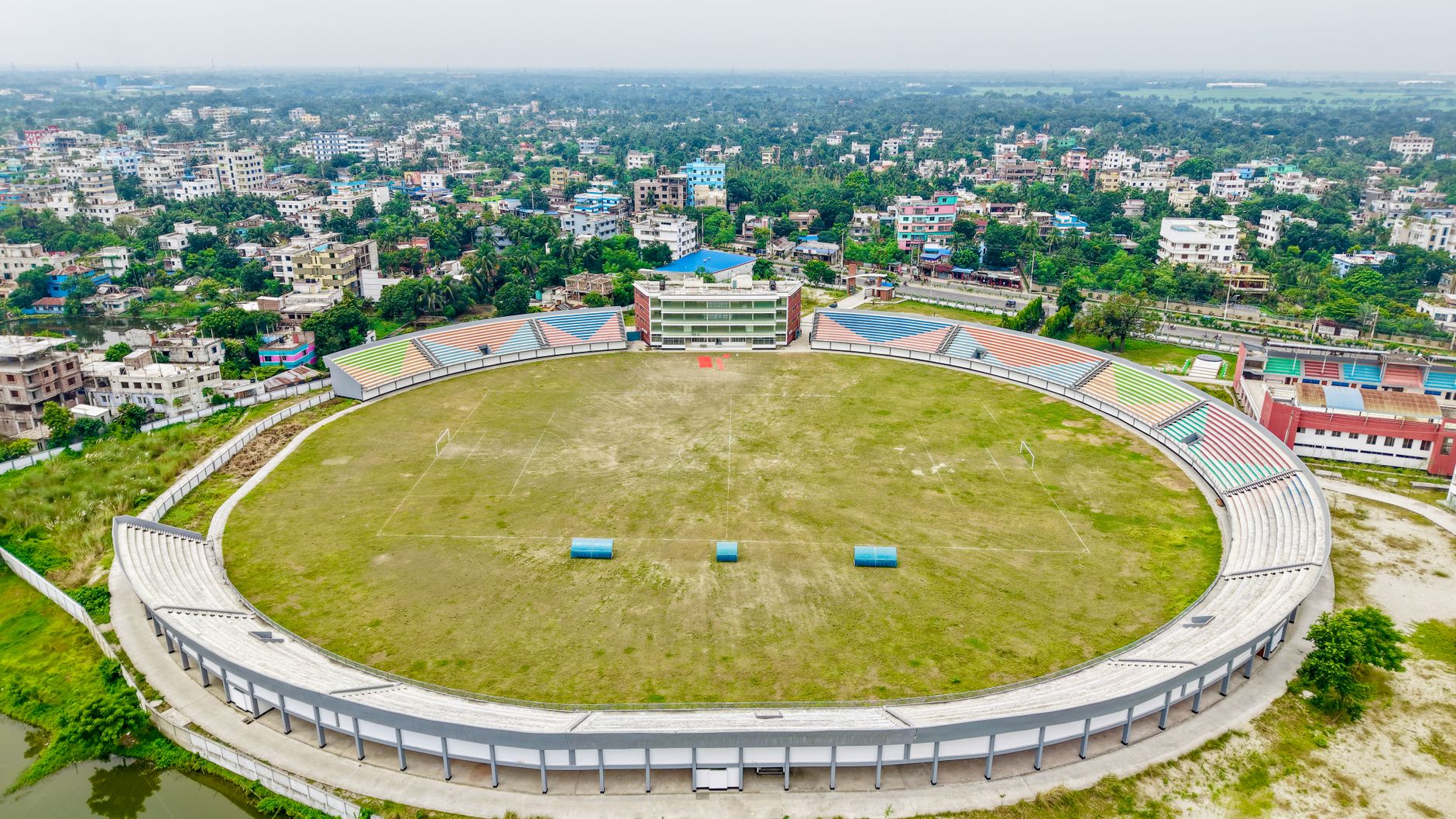
Why Stadium Debt Attracts Private Capital Now
The core attraction is duration certainty paired with hard-asset backing. When a stadium refinancing closes, the debt is typically secured against lease revenue streams – often including naming rights agreements, luxury suite contracts, and broadcast-linked attendance guarantees. These revenue sources are long-dated and contractually fixed in ways that most commercial real estate cash flows are not. For a family office trying to match a 15 to 20-year liability horizon without taking equity-level risk, that structure is genuinely useful.
Rising interest rates over the past two years forced many stadiums built or renovated in the low-rate era to return to the debt markets with less favorable economics. This created a buyer’s market in the secondary layers of these capital stacks. Senior tranches still get absorbed by insurance companies and municipal bond funds, but mezzanine and subordinate positions now get shopped more broadly, and family offices have the flexibility to underwrite those tranches without committee delays or regulatory concentration limits.
The volume of refinancing activity has been notable. A wave of venues built or expanded between 2010 and 2020 used floating-rate or short-duration debt that is now rolling over into a different rate environment. That rollover pressure creates deal flow, and deal flow creates optionality for well-capitalized private buyers who can move without the approval timelines that institutional desks require. Family offices, particularly those with dedicated credit staff, can close participation positions in weeks rather than months.

The Risk Profile Is Not Simple
None of this is without complication. Stadium debt sits at the intersection of sports league governance, local government politics, and commercial real estate credit – a combination that produces idiosyncratic risk that does not model cleanly. A franchise relocation, a labor dispute that cancels a season, or a city council fight over public subsidy renewals can all affect the underlying cash flows in ways that standard credit metrics do not fully capture.
That complexity is part of why yields on subordinate stadium debt have remained elevated even as broader credit spreads have tightened. The illiquidity premium is real – there is no active secondary market where these positions can be exited quickly, and family offices taking stakes are typically committing capital for the full remaining term of the debt. For offices that have already built out positions in distressed commercial mortgage-backed securities, the credit underwriting discipline transfers reasonably well, but the sector-specific knowledge required is distinct.
How the Positions Are Being Structured
Most family offices are not buying stadium debt directly off primary issuance. The more common entry point is through a private credit fund or co-investment vehicle assembled by a specialized manager who sources the deal, performs the structural diligence, and then syndicates portions to LP capital. This gives family offices access to the economics while outsourcing the origination and documentation work. The manager earns fees; the family office gets a yield pickup over comparably rated corporate credit without taking equity volatility.
Some larger single-family offices with internal credit teams are negotiating direct participation rights, particularly in deals where the borrower or its financial advisor wants to diversify away from a single large lender. In those cases, the family office might take a $15 to $50 million slice of a $400 to $600 million refinancing, enough to be meaningful to their portfolio without being large enough to require them to lead the deal or take on agent responsibilities. The anonymity suits both sides.
The tax treatment varies depending on how the debt is issued. Some stadium refinancings use tax-exempt municipal structures, which adds another layer of appeal for high-net-worth family office principals in high-income-tax states. When muni-exempt treatment applies to subordinate tranches, the after-tax yield can look substantially better than the headline coupon suggests, particularly for offices already evaluating tax-efficient credit vehicles for principal preservation strategies.

What makes this moment different from prior cycles is the convergence of supply and demand timing. Venues need to refinance now because their debt maturities are arriving, not because they want to. Meanwhile, family offices have spent the past two years rebuilding credit allocations after moving heavily into equities during the low-rate period, and they are looking for yield with structural protection rather than pure duration or equity beta. Stadium debt, with its lease-backed cash flows and its league oversight frameworks, fits that search in a way that unsecured corporate high yield does not. Whether that spread premium holds once more institutional capital rediscovers the sector is an open question that deal advisors are already watching.