

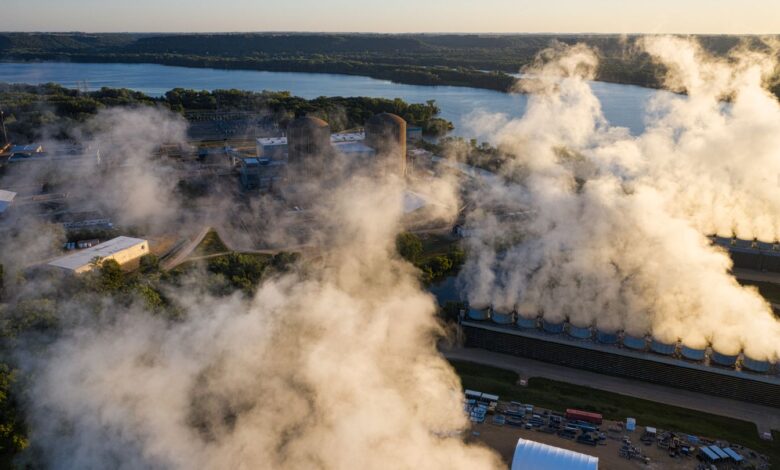
The Quiet Accumulation
Coal terminal berth leases are not a dinner table conversation among the wealth management set – but behind closed doors, a growing number of family offices are positioning themselves as long-term holders of these unglamorous, cash-generating infrastructure rights.

Why Berth Leases, and Why Now
A coal terminal berth lease grants the holder the right to use a specific loading or unloading slot at a bulk commodity port facility for a defined period. These agreements are distinct from owning the terminal itself. The leaseholder collects throughput fees or sublease income tied to coal volumes moving through the berth, without taking on the capital costs of port construction, maintenance, or regulatory permitting. The underlying asset is infrastructure; the revenue stream is contractual.
What makes these leases attractive to private capital right now is a combination of supply constraint and demand durability that most mainstream financial commentary tends to understate. Coal export capacity at major bulk ports – particularly along the U.S. Gulf Coast and in Australia’s Queensland corridor – has not expanded meaningfully in years. Regulatory and environmental opposition to new terminal development has effectively frozen new supply, which means existing berth rights carry an artificial scarcity premium that is unlikely to erode quickly.
Global coal consumption tells a more complicated story than the clean-energy narrative suggests. Thermal coal demand across South and Southeast Asia continues to run at elevated levels, driven by power generation needs in economies where grid buildout lags population growth. Metallurgical coal, used in steelmaking, faces no near-term substitute at industrial scale. Berth leases tied to met-coal export routes, in particular, carry a degree of demand insulation that terminal operators themselves rarely advertise publicly.
Family offices, which manage the private wealth of ultra-high-net-worth families and operate with far less regulatory disclosure pressure than institutional funds, are well-suited to hold these positions quietly. They can take illiquid stakes with multi-decade time horizons, absorb reputational complexity that would constrain a public pension fund, and negotiate directly with terminal operators or distressed sellers without triggering the disclosure requirements that govern larger institutional transactions. The structure is purpose-built for exactly this kind of asset.
The Structure of the Trade
The mechanics of acquiring a berth lease stake vary considerably depending on the jurisdiction and terminal ownership structure. In some cases, family offices are buying fractional interests in existing lease agreements from original counterparties – shipping companies, trading houses, or mining firms – that no longer want the exposure on their balance sheets but needed the lease to secure financing years ago. In others, they are investing through special purpose vehicles that hold a portfolio of berth rights across multiple ports, spreading geographic and counterparty risk while maintaining the illiquidity premium that makes these assets worth holding in the first place.
The cash flow profile is what drives interest. A berth lease tied to a long-term offtake agreement can generate predictable, contracted revenue for ten to twenty-five years with built-in escalation clauses pegged to either CPI or coal price benchmarks. For a family office running a conservative allocation model – one that prioritizes capital preservation and income over growth – this kind of asset functions more like an infrastructure bond than an equity position. The downside is limited by contract; the upside is capped accordingly. That trade-off suits a specific type of capital: patient, private, and indifferent to quarterly benchmarks.
Pricing for these stakes has moved. A sustained period of elevated thermal coal prices between 2021 and 2023 pushed terminal operators to renegotiate throughput agreements at higher rates, which in turn raised the implied value of existing berth rights. Sellers who originally acquired leases as ancillary to a larger mining operation are now finding that the lease itself – stripped away from the mine equity – carries standalone value that buyers are willing to pay a premium for. Several transactions in this space have reportedly closed with yields tighter than they were three years ago, a sign that buyer competition is increasing even as the asset class remains largely invisible to retail investors.
Environmental scrutiny is the obvious friction point. Family offices holding coal-linked assets face pressure from some limited partners and aligned family members who have made public commitments to ESG frameworks. The internal governance tension is real, and it is not always resolved cleanly. Some offices have addressed this by ring-fencing the berth lease exposure within a separate vehicle, legally distinct from the family’s broader investment portfolio. Others have simply concluded that contracted infrastructure income does not carry the same reputational weight as direct equity ownership in a coal mining company – a distinction that may or may not survive public scrutiny if the holdings become known.
The parallel pattern in nickel refinery offtake rights shows this is not an isolated strategy. Family offices across multiple commodity sectors are gravitating toward the contractual infrastructure layer rather than the commodity itself – buying the toll road rather than the truck. Berth leases fit that logic precisely: they are agnostic to who owns the coal, indifferent to which mining company loaded the ship, and dependent only on volume moving through a fixed physical point.
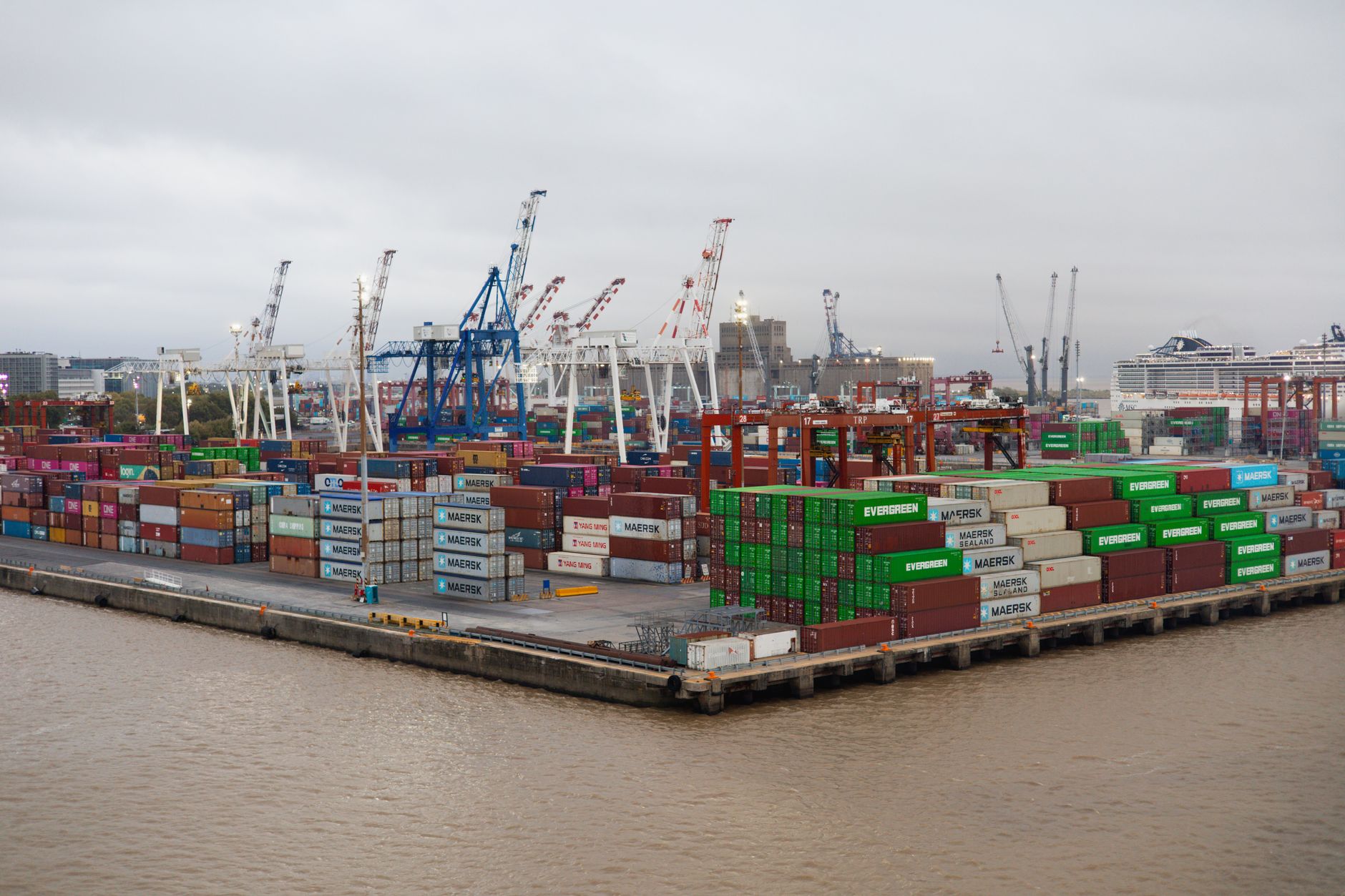
The Risk Layer Nobody Discusses Loudly
The risk profile of these positions is not simple. Terminal operators can face regulatory challenges that interrupt operations, port authorities can renegotiate ground lease terms that affect sublease economics, and force majeure clauses in underlying shipping contracts have been tested in ways that berth lease investors did not anticipate. Queensland’s port corridor, for example, experienced operational disruptions from weather events that exposed gaps in how lease agreements defined “available throughput days” for fee calculation purposes. Legal interpretation of those gaps took years to resolve and consumed returns that looked guaranteed on paper.

Counterparty risk at the shipper level is a second, quieter concern. If the entity subleasing the berth or committed to throughput volumes faces financial stress – as some smaller coal trading firms did during price volatility periods – the berth lease holder may find themselves in a dispute over whether minimum volume guarantees are enforceable. The contracts are typically sophisticated and heavily negotiated, but they are only as strong as the willingness and financial capacity of the counterparty to honor them. For family offices that entered these positions through secondary acquisitions rather than original negotiation, understanding every clause in an inherited agreement is the first, non-negotiable task before any capital is committed.
Frequently Asked Questions
What is a coal terminal berth lease?
A berth lease grants the holder rights to use a specific loading or unloading slot at a bulk commodity port, generating throughput or sublease income without owning the terminal itself.
Why are family offices interested in coal terminal berth leases?
The leases offer long-term contracted cash flows, infrastructure scarcity premiums, and illiquidity that suits patient private capital with minimal public disclosure obligations.