

The Quiet Land Play Reshaping Renewable Energy Finance
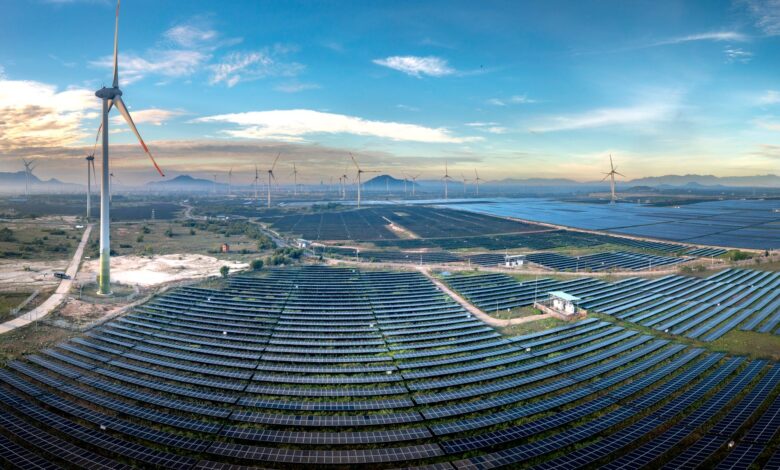
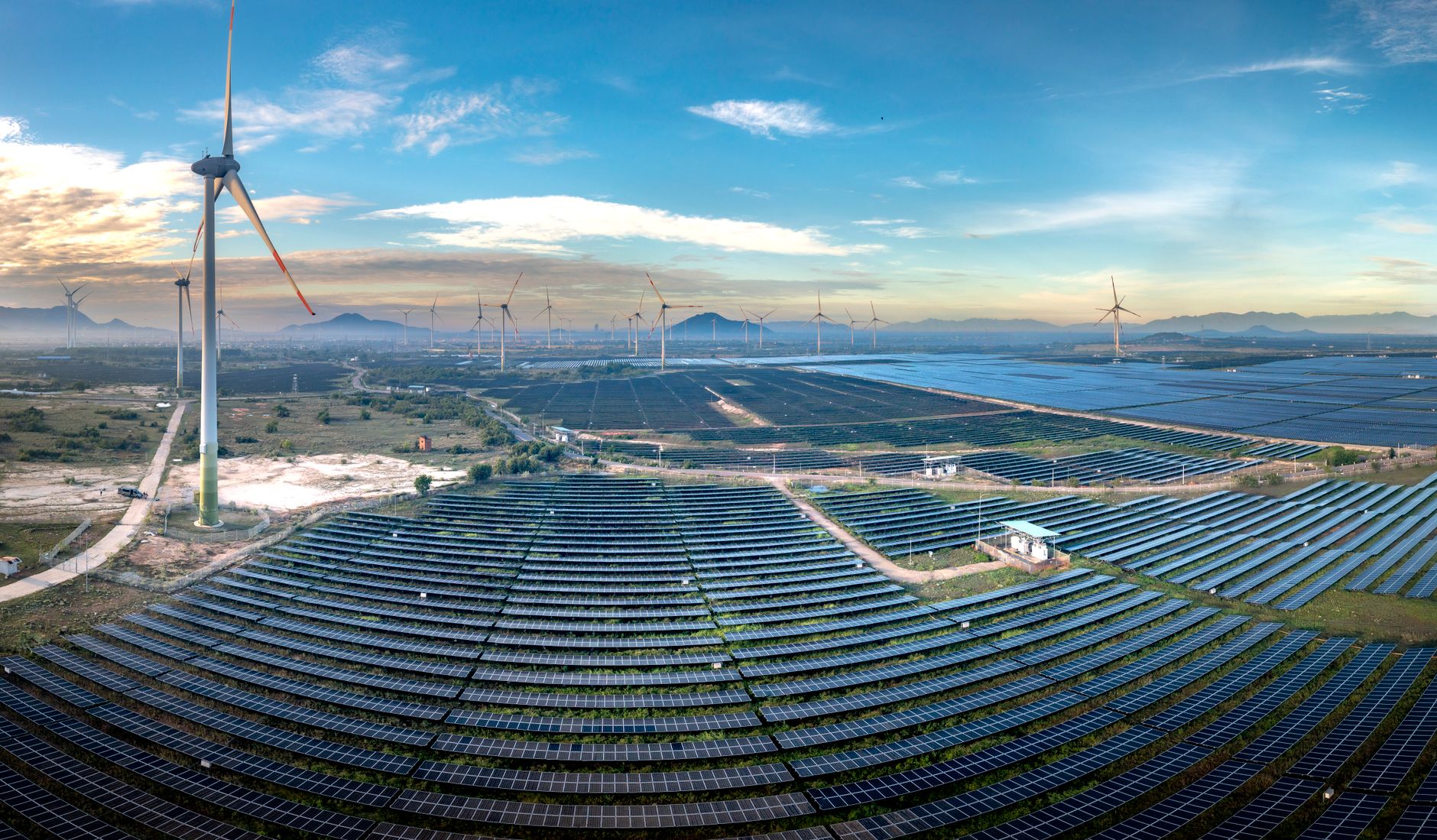
Solar farms need land. Lots of it. And the contracts that secure that land – long-term ground leases running 25 to 40 years – have started attracting a category of investor that rarely makes headlines: the family office. These private wealth management firms, which handle the finances of ultra-high-net-worth families, are building positions in solar ground lease portfolios with the same patient, low-profile approach they typically apply to farmland, timber, or private credit. The strategy rarely surfaces in financial press, but the logic behind it is becoming harder to ignore.
A solar ground lease works by giving a developer or utility-scale operator the right to use private land for solar panel installation in exchange for annual rent payments to the landowner. Investors can acquire these lease income streams – essentially buying the right to collect rent – from landowners or through secondary market transactions. The result is an asset that behaves more like a bond than a stock: fixed or escalating income over a defined term, secured by land and backed by offtake agreements with utilities that often carry investment-grade credit ratings.
Why Ground Leases, and Why Now
The appeal of solar ground leases to family offices comes down to duration and predictability. A 30-year lease with a creditworthy counterparty – say, a major utility or an independent power producer operating under a long-term power purchase agreement – produces a cash flow profile that maps well onto multigenerational wealth planning. Family offices are not managing quarterly redemption pressure or benchmark anxiety. They can hold an illiquid asset for its full term and simply collect the income. That patience is genuinely rare in institutional finance, and it gives family offices an edge in negotiating these deals before they hit broader markets.
The timing is also tied to the sheer volume of solar capacity being built. Grid-scale solar development in the United States has accelerated sharply over the past several years, driven by federal incentives under the Inflation Reduction Act and falling installation costs. Developers are signing ground leases at scale, often with landowners – farmers, ranchers, private estates – who would rather take a steady rental income than sell outright. That pipeline of new leases has created a supply of income-producing contracts that can be aggregated, underwritten, and sold to private capital. Family offices are showing up at that table early, often through direct relationships with developers or through specialized real assets funds.
How the Structure Actually Works
Acquiring a solar ground lease stake is not the same as owning a solar farm. The investor is not taking on construction risk, equipment risk, or the operational complexity of managing megawatts. The lease itself sits underneath all of that, representing the most senior economic claim on the land. If the solar project struggles financially, the land reverts – along with any structures on it – to the lease-holder under most agreement terms. That structural protection is a significant draw for capital that prioritizes downside management over upside optionality.
Escalation clauses built into ground leases add an inflation hedge that fixed-income instruments rarely offer. Many leases include annual rent increases tied to a flat percentage – commonly between one and two percent – or indexed to consumer price inflation. Over a 30-year term, that compounding makes a meaningful difference to total return. In an environment where real yields on traditional bonds remain compressed relative to historical norms, that built-in escalation is a feature that portfolio managers notice.
Secondary market liquidity is limited but growing. A small number of specialized platforms and investment banks have begun facilitating transfers of ground lease income streams, and some family offices are acquiring portfolios – collections of dozens of individual leases across multiple states – rather than single-site positions. Diversification across geographies reduces exposure to any one regulatory environment or grid interconnection dispute, both of which can affect project viability and, indirectly, lease stability. This portfolio approach mirrors what hedge funds have applied to data center power easements, another niche infrastructure income stream that rewards patient capital with consistent cash flow.
Tax treatment adds another layer of attraction. Ground lease income can qualify for favorable treatment depending on how the investment is structured, particularly when held through real estate holding entities. Family offices with sophisticated tax planning teams are well-positioned to maximize after-tax yield in ways that retail investors or less flexible institutional mandates cannot easily replicate. The combination of pre-tax income quality and tax optimization potential makes the gross yield figures somewhat misleading as a comparison point – the after-tax return is where the real argument lives.

The Risk Factors That Don’t Get Enough Attention
Ground lease investing is not without complication. The most immediate risk is regulatory: solar projects can face permitting delays, zoning challenges, or changes in state-level net metering policy that affect project economics without ever touching the lease directly. But if a developer abandons a project before construction begins, the lease may produce no income during that period, and re-leasing the land to a new developer takes time. Family offices underwriting these positions need to look carefully at which stage of development a project is in and whether the developer has the financial capacity to reach commercial operation.
Interconnection queues present a subtler but equally real risk. The process of connecting a solar farm to the grid has become notoriously slow in many parts of the country, with wait times stretching to several years in congested regions. A lease that starts generating income is only possible once the solar project is actually producing power and selling it. Pre-construction leases trade at a discount that reflects this uncertainty, and some family offices are specifically targeting post-construction, operational leases to avoid it entirely – accepting lower entry yields in exchange for higher certainty of income.
What Sets Family Offices Apart as Buyers
The competitive advantage family offices hold in this market is primarily structural. Unlike pension funds, they do not face the same public reporting obligations or investment committee bureaucracy that slows decision-making. Unlike private equity funds, they do not operate under a defined return-the-capital-by-year-ten mandate that forces exits at inopportune times. A family office can commit to a 35-year lease income stream and genuinely mean it, which makes them attractive counterparties to developers and landowners who want certainty.
That relationship dynamic matters more than it might seem. Developers working through large solar pipelines often prefer to transact with a single sophisticated buyer who can close on a portfolio of leases quickly and quietly, rather than running a broad auction that takes months and introduces execution risk. Family offices that have built reputations in this niche report – through deal documentation and industry word-of-mouth – getting first look at lease packages before they reach the broader market. The informational advantage compounds over time as relationships deepen.
The capital flowing into this space is still modest relative to the total size of the solar buildout, which means pricing has not yet been competed down to the levels seen in more mature infrastructure categories. A ground lease portfolio that might yield five to seven percent annually on a net basis today could look significantly less attractive in five years if mainstream institutional capital decides the asset class is worth owning at scale. The family offices moving now are betting that the window of reasonable entry pricing is narrower than it looks.