
The Quiet Accumulation
Lithium brine royalty streams are not a household term, but inside the private offices that manage multigenerational wealth, they have become an increasingly serious topic of conversation.
What Royalty Streams Actually Mean in This Context
A lithium brine royalty stream works on a straightforward principle: an investor acquires the right to receive a percentage of revenue – or production – from a lithium brine operation without taking on the operational costs, permitting headaches, or capital expenditure of running the mine itself. The royalty holder sits upstream of all that friction, collecting a cut as long as the brine flows and the lithium sells. This structure has existed for decades in gold and silver mining, but its application to battery-critical minerals is considerably newer, and the market for it remains thin enough that most retail investors have never encountered it.
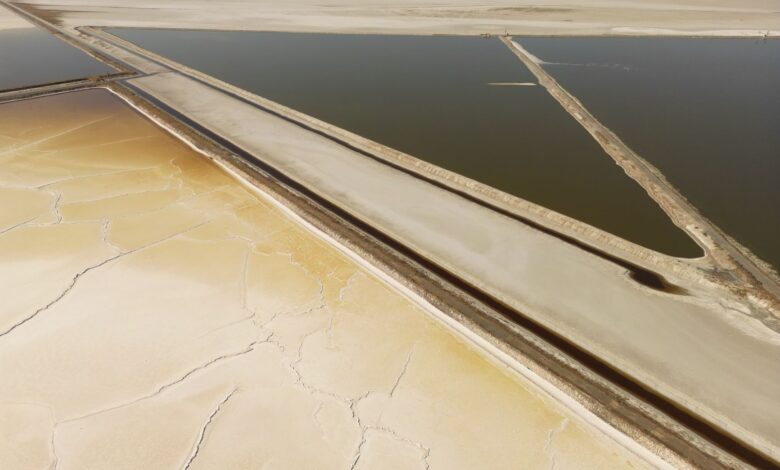
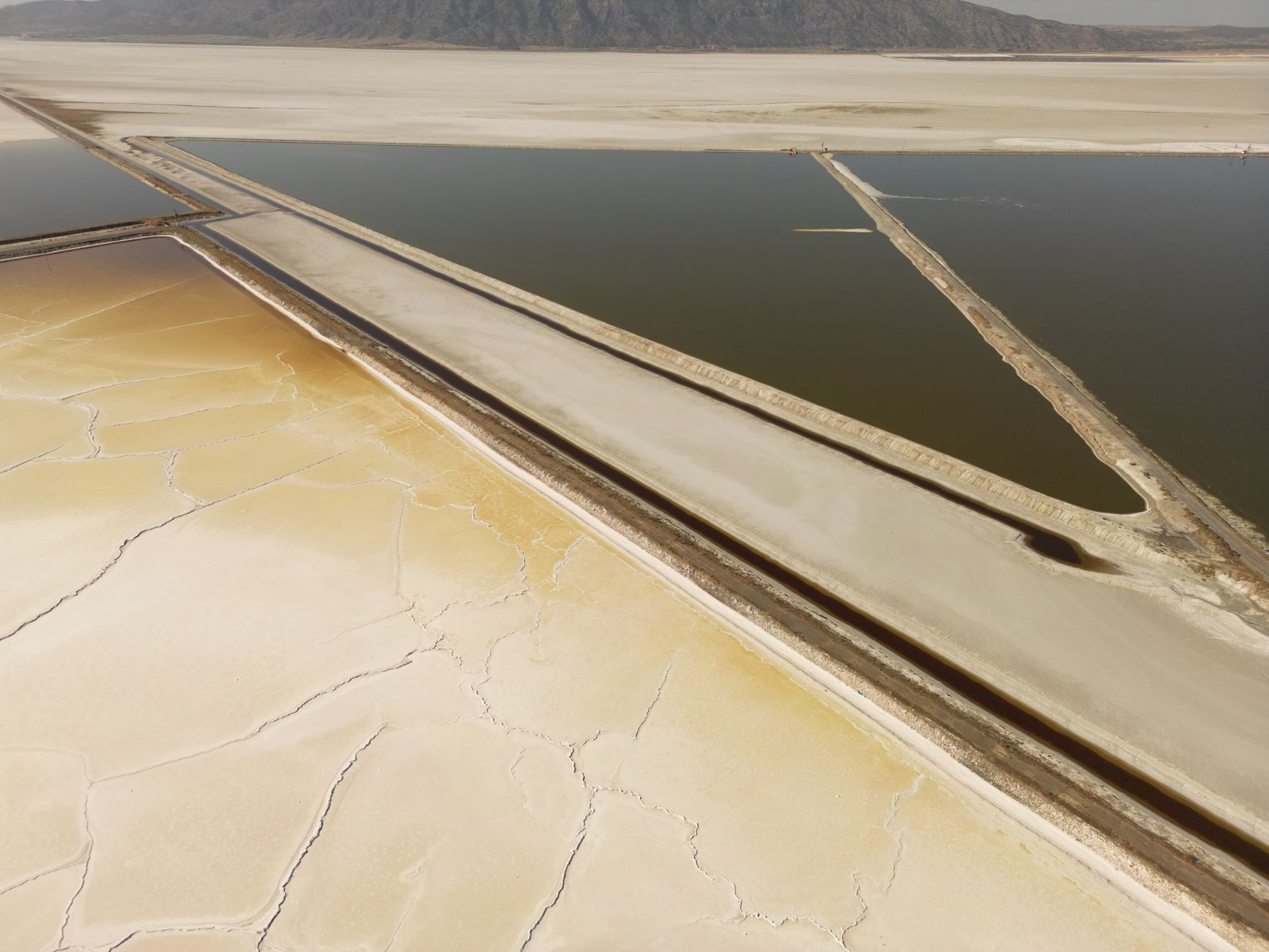
Lithium brine deposits, concentrated primarily in the high-altitude salt flats of Chile, Argentina, and Bolivia – the so-called Lithium Triangle – are extracted through an evaporation process that is slower and more capital-intensive up front than hard-rock mining, but carries dramatically lower ongoing production costs once the infrastructure is in place. That cost profile makes brine operations particularly well-suited to royalty structures, because the cash flow, once established, tends to be durable and relatively predictable. A royalty holder doesn’t absorb the painful early years of capital spending; they simply wait for the stream to mature.
What family offices are responding to is not just the structure but the underlying commodity thesis. Lithium demand is tied directly to battery production, and battery production is tied to electric vehicle penetration and grid-scale energy storage deployment. The math on that relationship doesn’t require complicated modeling: more batteries means more lithium. The question has never really been about demand direction. It has been about supply concentration, geopolitical risk, and price volatility – all of which the royalty structure partially addresses by insulating the investor from production-side chaos.
Price volatility is the honest complication in this story. Lithium spot prices collapsed from their 2022 peaks by more than half over the following two years, shaking confidence in direct lithium investments. But royalty streams denominated as a percentage of revenue rather than a fixed price-per-tonne move with the market, meaning they shrink when prices fall. That’s not zero risk – it’s just risk of a different shape than equity ownership in a mining company, where a price crash can wipe out both revenue and the value of the underlying asset simultaneously.

Why Family Offices Are the Natural Buyers
The family office investor profile fits this asset class almost too neatly. These pools of capital – typically managing the wealth of a single ultra-high-net-worth family or a small group of related families – operate on time horizons that institutional funds rarely match. A sovereign wealth fund answers to a government. A pension fund answers to actuarial tables and beneficiary schedules. A family office can, in principle, hold an asset for thirty years without anyone demanding a quarterly explanation of mark-to-market performance. Lithium brine royalties, which may take a decade to reach full production cadence on a given project, need exactly that kind of patient capital.
The illiquidity that makes these instruments unattractive to hedge funds and mutual funds is not a flaw for family offices – it’s often a feature. Illiquid alternatives carry a premium precisely because most institutional buyers can’t tolerate the lockup periods. Family offices that can absorb multi-year illiquidity are effectively being paid an extra layer of return simply for having structural patience. That logic applies to helium royalty streams and other niche royalty categories as well, where the same dynamic of thin markets and long development timelines prices out most institutional capital.
Access is the other piece. Royalty agreements on lithium brine projects are not listed instruments. They are negotiated directly between a royalty company or the project operator and the capital provider. Getting to the table requires either relationships inside the mining finance world or a mandate with one of the small number of royalty and streaming companies that have begun packaging these agreements for private placement. Most family offices that are building exposure are doing it through dedicated royalty companies, some of which are publicly listed in Canada, or through co-investment rights attached to a fund relationship.
The tax profile of royalty income also has its attractions. Depending on jurisdiction and how the royalty is structured – whether it flows through a partnership, a corporation, or a trust vehicle – the income can be categorized in ways that are more favorable than ordinary income. Depletion allowances, common in natural resource royalties under U.S. tax law, allow investors to deduct a percentage of gross income from the royalty without requiring that the underlying asset actually diminish in accounting terms. The specifics vary by structure and location, and tax treatment is never a primary investment thesis on its own, but it adds a layer of efficiency that wealth preservation mandates take seriously.
There is also the diversification argument, which is simple but real. Most family office portfolios are already heavy with private equity, real estate, and fixed income. A commodity-linked royalty stream with a demand driver – battery technology – that is largely decorrelated from corporate earnings cycles adds a different kind of exposure. It won’t protect against a global demand collapse, but it doesn’t move in lockstep with S&P 500 drawdowns either.
The Risks That Don’t Go Away
Royalty structures reduce operational risk, but they don’t eliminate geopolitical risk, and lithium brine geography makes that impossible to ignore. Argentina’s currency controls, Chile’s ongoing constitutional debates around mining policy, and Bolivia’s state-controlled lithium ambitions all sit directly on top of the world’s most concentrated brine resources. A royalty agreement is only as good as the legal environment that enforces it, and that environment is not static. Investors who have done the work on these structures understand this; the ones who haven’t sometimes discover it after the commitment is made.
There is also the technology wildcard. Direct lithium extraction – a newer processing method that could eventually reduce the time and evaporation-pond footprint of brine production – is still not proven at commercial scale. If it matures, it could lower costs and accelerate production timelines, which benefits royalty holders. But it could also shift the competitive advantage away from brine-heavy regions toward formations that weren’t economically viable under conventional evaporation methods. The families building these positions are betting on the commodity, not on any single extraction technology – and that bet is one they may be living with for a very long time before the scorecard is legible.
Frequently Asked Questions
What is a lithium brine royalty stream?
It is a financial arrangement where an investor receives a percentage of revenue or production from a lithium brine project without bearing the operating costs or capital expenditure of running the mine.
Why are family offices interested in lithium royalties specifically?
Family offices can hold illiquid assets over long time horizons, which makes them natural buyers for royalty streams that require years to reach full production and are inaccessible to most institutional funds.