
The New Water Play Nobody Is Talking About
Aquifer recharge rights – the legal entitlements that allow a holder to inject water into underground aquifer systems and later withdraw a corresponding volume – have quietly become a target for family offices looking to build positions in hard assets with long-duration value. Unlike surface water rights, which are openly traded in Western states and frequently covered in agricultural finance circles, recharge rights sit in a regulatory gray zone that most institutional investors have never bothered to understand. That complexity is exactly what makes them attractive to the patient capital that family offices control.
The logic is straightforward. Groundwater depletion across the American Southwest, the Central Valley of California, and parts of the Great Plains has created a structural scarcity problem that no single policy fix will resolve quickly. Whoever holds the right to put water back into the ground – and pull it out later – holds something closer to infrastructure than farmland. Family offices, which have been expanding into physical resource positions across water, energy, and land over the past several years, are beginning to treat recharge rights the way an earlier generation treated mineral royalties: as a quiet accumulation play before the broader market catches on.

How Recharge Rights Actually Work
In most Western states, water law follows the prior appropriation doctrine – first in time, first in right. Recharge rights layer onto this system by granting a specific legal permission to artificially recharge an aquifer, typically through spreading basins, injection wells, or managed floodplain infiltration. The holder banks a credit with the relevant state water authority, which can then be drawn down during drought conditions or sold to municipalities, agricultural users, or industrial operators facing shortage. It is, in essence, a water savings account with a legal deed.
The regulatory framework governing these rights varies significantly by state. Arizona has the most developed system through its Underground Water Storage and Recovery Program, which has been operational since the 1990s and allows private parties to store, hold, and sell recovery credits. California’s Sustainable Groundwater Management Act, passed in 2014 and now in active enforcement, is pushing local groundwater sustainability agencies to formalize recharge accounting – creating a new layer of legally recognized interests where none existed before. Colorado, Nevada, and New Mexico are each at different stages of developing similar frameworks. The patchwork nature of this regulatory landscape is a barrier to entry for generalist investors, but family offices with dedicated natural resources counsel can navigate it.
What separates recharge rights from a simple water purchase is the embedded optionality. A holder does not need to use the stored water immediately. Credits can sit for years in some jurisdictions, appreciating in scarcity value as regional aquifer levels continue to decline. This long holding period aligns naturally with the multi-generational investment horizon that many family offices explicitly pursue. There is no quarterly earnings call, no activist shareholder demanding faster monetization. The asset simply holds water – literally.
Monetization paths are more varied than they might appear at first. A family office that accumulates recharge credits in a water-stressed basin can lease recovery rights to a municipality facing a drought emergency, negotiate a long-term supply agreement with an agricultural cooperative, or sell credits outright on the open market if state law permits transfer. Some jurisdictions are also beginning to explore whether recharge credits can be used to satisfy mitigation requirements for new development, which would open a third buyer class beyond agriculture and municipalities. That optionality compounds the value of holding a position early.

Why Family Offices Are Moving First
Pension funds and large endowments have shown limited appetite for recharge rights to date. The asset class lacks the standardized documentation, third-party valuation infrastructure, and liquidity pathways that institutional allocators require before committing capital. Family offices do not face the same constraints. They can hold illiquid positions indefinitely, hire specialized legal and hydrological consultants on a deal-by-deal basis, and make decisions without an investment committee approval process that can take eighteen months. Speed and flexibility are genuine competitive advantages in a market where most sellers are agricultural landowners or small water districts that want to close quietly and quickly.
The entry prices still reflect that obscurity. Recharge credits in active Arizona markets trade at a fraction of what treated municipal water costs on a per-acre-foot basis, and in states where formal markets are still developing, creative buyers can structure deals at prices that reflect today’s limited buyer pool rather than tomorrow’s scarcity premium. This is not a trade for the next two years. Family offices building these positions are thinking in decades, and some are already pairing recharge right acquisitions with pumped hydro storage leases to create broader water and energy infrastructure bundles on the same or adjacent land parcels.
The Risk Side of the Ledger
Recharge rights are not a clean bet. State water law is subject to legislative revision, and a political environment that grows hostile to private water ownership could impose new restrictions on credit transfers or recovery rights without warning. Several Western states have already seen ballot initiatives targeting water privatization broadly, and the line between legitimate water banking and speculative hoarding is one that legislators are increasingly willing to redraw based on public pressure rather than hydrological reality.
Hydrological risk is a separate concern. An aquifer that is physically compromised – through subsidence, contamination, or structural changes from over-extraction – may not perform as modeled when recovery is attempted. The legal right to withdraw water is meaningless if the water is no longer there in usable form. Proper due diligence requires independent hydrological assessments, not just title review, and the pool of qualified consultants who understand both the legal and physical dimensions of managed aquifer recharge is smaller than the growing buyer interest would suggest.
There is also counterparty risk embedded in municipal contracts. Water districts can face their own fiscal crises, and a long-term supply agreement that looks stable in year one may face renegotiation pressure in year seven if the district’s budget deteriorates. Family offices structuring monetization through municipal leases need termination protections and step-in rights that are rarely included in first-draft agreements from water district counsel.
Where the Accumulation Is Happening
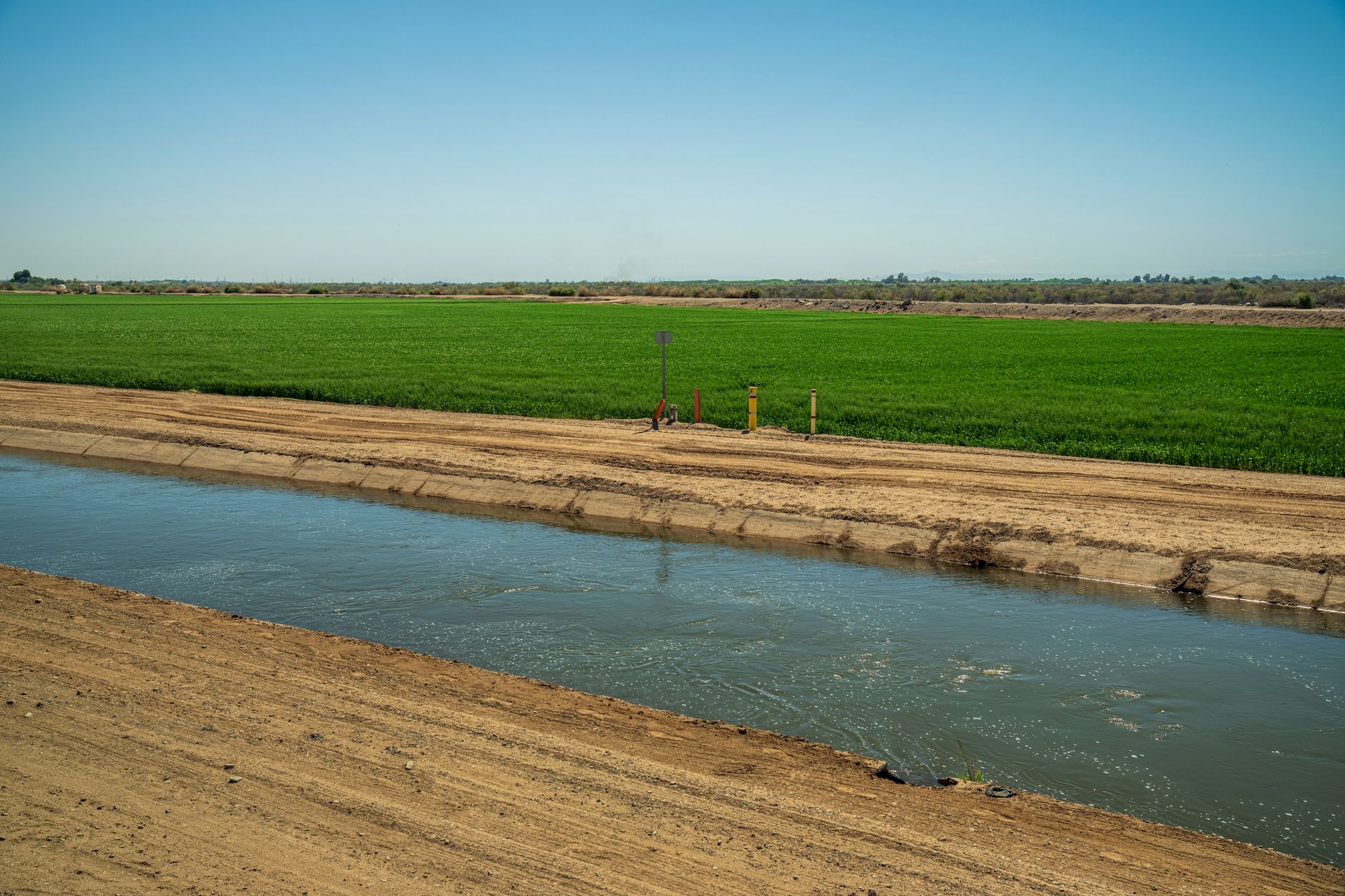
The most active markets for private recharge right acquisition are currently concentrated in Arizona’s Phoenix Active Management Area and parts of the Tucson AMA, where the state’s underground water storage program provides the clearest legal framework for credit creation and transfer. California’s Central Valley is generating significant interest as SGMA compliance deadlines approach and some groundwater sustainability agencies begin to formalize recharge accounting – though the legal infrastructure there is still catching up to the buyer interest. Texas, notably, operates under different water law principles that make aquifer rights more complex to hold in a bankable form, though certain river authorities and municipal utility districts have created localized frameworks worth examining.
The deals being done are small by institutional standards – often in the range of a few thousand acre-feet of storage credits at a time – which keeps them below the reporting thresholds and trade publication radar that would attract wider attention. That quiet accumulation pattern mirrors what family offices did with agricultural land in the decade after the 2008 financial crisis, building positions that looked eccentric at the time and obvious in retrospect. The families writing checks for recharge credits today are betting that access to functional groundwater storage will look, within a generation, less like a niche infrastructure play and more like a basic condition of operating any water-dependent enterprise in the American West. Whether the regulatory frameworks develop fast enough to support that thesis is the question that keeps the position from being a certainty rather than a conviction.