

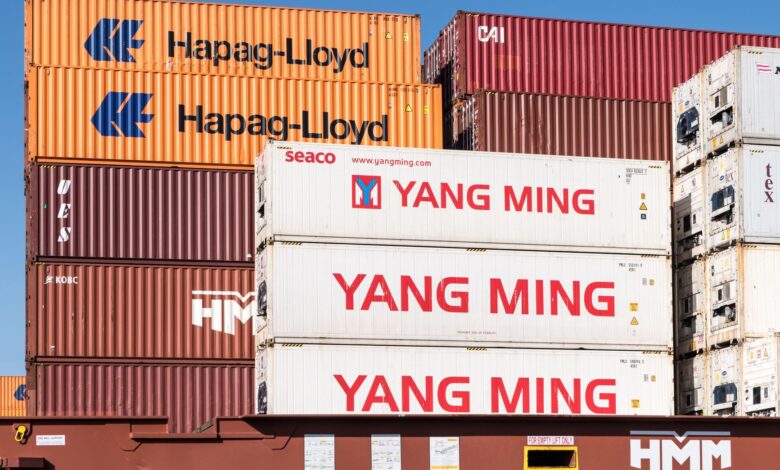
Shipping Containers as Financial Instruments
Shipping container leasing trusts occupy a strange corner of the financial world – they are mundane in their physical reality (steel boxes stacked at ports) yet surprisingly sophisticated as investment vehicles. These trusts pool fleets of intermodal containers, lease them to ocean carriers and freight companies under long-term contracts, and distribute the resulting cash flows to unit holders. The structure is closer to an equipment leasing fund than a traditional shipping stock, which means returns are far less exposed to spot freight rate volatility and far more tied to utilization rates and lease renewal cycles.
Hedge funds are now moving into these instruments in noticeable volume. The accumulation has been quiet but consistent over recent quarters, driven by a combination of yield scarcity in conventional fixed income, attractive depreciation-linked tax treatment, and what amounts to a structural supply constraint on global container capacity. The interest cuts across fund strategies – from distressed credit shops looking at leveraged trust structures to long/short equity funds building positions in publicly traded leasing entities.
Why the Asset Class Works Right Now
Container leasing trusts generate income through a relatively simple mechanism: containers are purchased, leased to carriers – typically under five to eight year agreements – and the trust collects monthly payments. The physical asset depreciates on a schedule, which creates tax shelter for a portion of distributions, making the after-tax yield meaningfully higher than the nominal figure suggests. For hedge funds operating in taxable structures, that distinction matters considerably. When a leasing trust advertises a distribution yield in the high single digits, the effective after-tax return for certain fund structures can push materially higher once depreciation passthrough is factored in.
The supply side of the container market has not kept pace with replacement demand following the disruptions of 2021 and 2022. New container manufacturing – concentrated heavily in China – ran at elevated capacity during the pandemic-era shipping boom, but orders have since moderated as carriers grew cautious about overcapacity. This creates a tighter environment for lessors. When the global container fleet ages faster than it is being replaced at scale, utilization rates for existing lessors hold firm, which supports lease renewal pricing and limits the revenue volatility that investors in the space have historically feared.
There is also a duration argument. Most container leasing agreements are structured with fixed or escalating rental rates over their term, providing a predictable income stream that resembles a bond more than an equity. Hedge funds with liability-matching mandates – particularly those managing alongside pension or insurance capital – find this cash flow predictability useful for portfolio construction. The containers themselves retain scrap value, providing a floor on asset recovery in stress scenarios. A twenty-foot steel box does not go to zero the way a software company’s equity can.
Not every fund entering the space is playing the same trade. Some are buying publicly listed container leasing companies whose shares trade at discounts to net asset value. Others are acquiring interests in private trust vehicles directly, bypassing public market pricing. A smaller cohort is approaching the trade through secured debt issued by leasing trusts, capturing the yield without direct equity exposure. The diversity of entry points reflects how broadly the thesis has spread across hedge fund strategy types.

The Yield Hunt Driving Alternative Asset Accumulation
The broader context for this accumulation is a persistent search for yield in assets that do not move in lockstep with public equity markets. Pension funds have been pursuing similar logic in reinsurance sidecars, where cash flows are tied to underwriting results rather than market beta. Container leasing trusts offer a comparable profile – income streams anchored to real-world commercial activity rather than equity market sentiment.
The correlation argument is genuinely strong. Container leasing revenues track global trade volumes and carrier demand for equipment, not stock indices. During periods of equity market stress, a well-leased container fleet generating steady monthly payments from investment-grade ocean carriers does not behave like a tech-heavy index fund. For hedge funds trying to deliver differentiated returns to their limited partners, that non-correlation is worth paying attention to – particularly in an environment where conventional diversification through bonds has proven unreliable when equities sell off.
Concentration Risks and Structural Concerns
The trade is not without complications. Container leasing trusts carry meaningful concentration risk on the revenue side – a handful of large ocean carriers represent the bulk of global container demand, and the carrier landscape has consolidated dramatically over the past decade. If a major carrier seeks to renegotiate leases, restructures its balance sheet, or reduces its leased-versus-owned fleet ratio, lessors feel the impact quickly. The trust structure insulates investors from some operational risk, but it cannot insulate them from a decision by a major carrier to buy rather than lease.
Liquidity is a real consideration. Publicly traded container leasing entities offer exit options, but private trust interests can be difficult to sell quickly, particularly if the broader market for container assets softens. Hedge funds that accept illiquidity in exchange for yield premium need to be confident their own redemption profiles can accommodate assets that may take months to exit at reasonable prices. Funds that have taken on this illiquidity exposure without matching it to longer lock-up structures on their own capital are carrying a mismatch that could become painful if investors request liquidity simultaneously.
Leverage within the trust structure itself is another layer of complexity. Many container leasing trusts use secured financing against their fleets, which amplifies distributions in good times but can compress them rapidly if utilization drops and debt service obligations remain fixed. The financial engineering that makes the yield attractive in a benign environment is the same engineering that creates stress in a downturn. Hedge funds buying into leveraged structures at or near full utilization are effectively making a bet that the current operating environment holds – a reasonable bet, but not a riskless one.
What the Accumulation Pattern Signals
When multiple hedge fund strategies converge on the same asset class through different entry points, it typically signals something more durable than a short-term trade. The accumulation pattern in container leasing trusts looks less like momentum chasing and more like deliberate portfolio construction – funds building positions over multiple quarters rather than rushing in after a price spike. That pace of accumulation suggests conviction rather than crowding, at least at this stage.
The more telling signal is how the trade is being sized. Position sizes reported in recent regulatory filings show meaningful but not outsized exposure, indicating hedge funds are treating container leasing trusts as a yield diversifier rather than a high-conviction directional bet. That sizing discipline suggests the funds involved are aware of the liquidity and concentration risks outlined above, and are calibrating exposure accordingly. Whether the accumulation continues at the same pace depends in large part on whether lease renewal rates hold through the next carrier procurement cycle – a process that for several major carriers begins in earnest before the end of this year.
The carriers themselves have been notably quiet about their forward leasing intentions, which creates uncertainty that cuts both ways for investors already holding positions.
Frequently Asked Questions
What are shipping container leasing trusts?
They are investment vehicles that pool fleets of intermodal containers, lease them to ocean carriers under long-term contracts, and distribute the resulting cash flows to investors.
Why are hedge funds interested in container leasing trusts now?
The combination of high after-tax yields from depreciation passthrough, predictable cash flows, and low correlation to equity markets makes them attractive as yield diversifiers in the current investment environment.