Hedge Funds Quietly Accumulate Positions in Natural Gas Storage Cavern Leases

The Quiet Accumulation Beneath the Ground
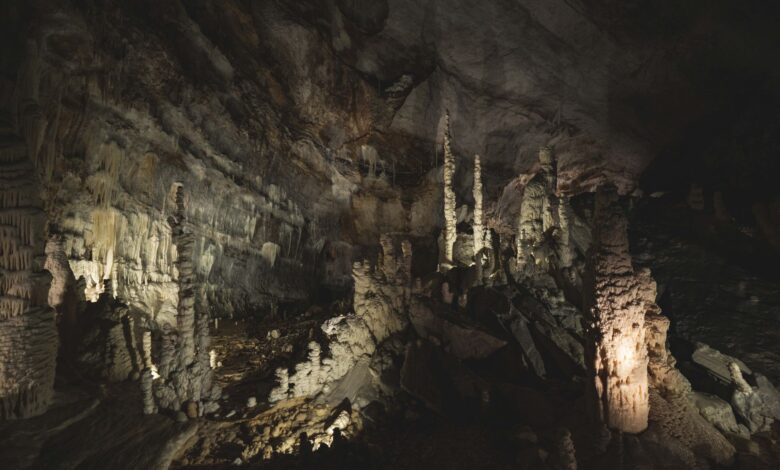
Natural gas storage caverns – vast underground salt formations, depleted reservoirs, and aquifer structures – have become an unlikely object of desire for a growing number of hedge funds. These aren’t the flashy energy plays that make headlines during commodity price spikes. Instead, they represent a methodical, long-duration bet on the physical infrastructure that keeps gas flowing between production wells and the homes and factories that burn it. The strategy is quiet by design, and that’s exactly the point.
Leasing rights to underground storage capacity have historically been the domain of pipeline operators, utilities, and large integrated energy companies. What’s changed is the recognition that these leases carry characteristics more similar to toll roads than to commodity trades – recurring, contractually fixed revenue streams, high barriers to replication, and near-zero correlation to equity market volatility. For funds that have spent years crowded into the same liquid markets, the appeal is structural, not speculative.
Why Storage Caverns, Why Now
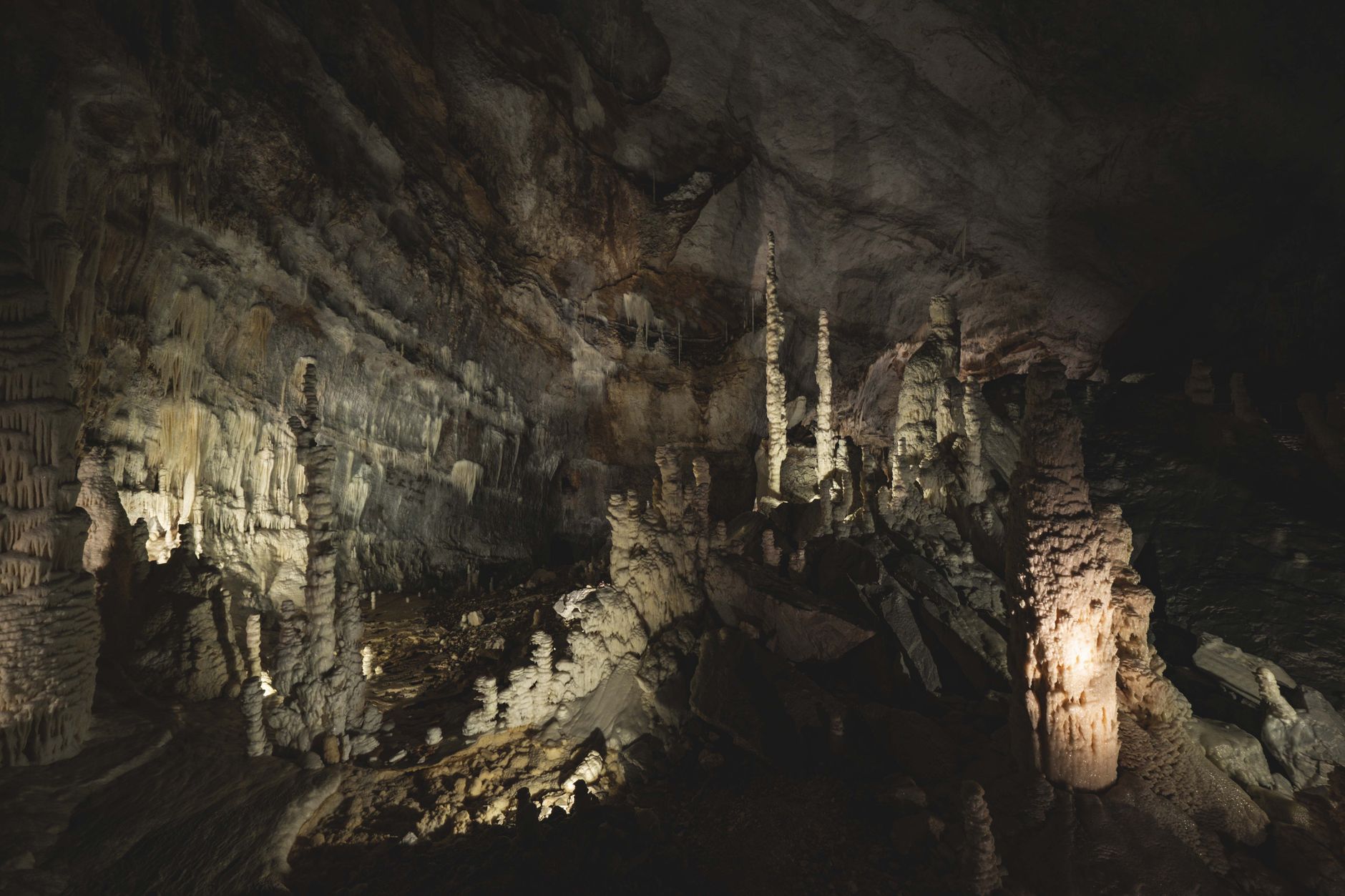
The logic starts with geology. Salt cavern storage in particular offers rapid injection and withdrawal cycles that no other storage type can match. During periods of price volatility – think polar vortex events or sudden LNG export surges – cavern operators can charge premium rates for quick-cycle access. The physical scarcity of suitable geology means that even a moderately well-positioned cavern lease in the Gulf Coast salt dome region carries durable economic value that cannot simply be replicated by building something new nearby.
The current regulatory environment has made these assets even more attractive. Federal Energy Regulatory Commission oversight of interstate storage has created a relatively predictable rate structure for certificated facilities, while merchant storage operations – those that sell capacity on the open market rather than under cost-of-service regulation – retain the upside of price arbitrage. Funds targeting the merchant segment are effectively buying optionality on natural gas price spreads across seasons, particularly the summer-winter spread that can widen dramatically during supply disruptions. That optionality, embedded in a long-term lease on physical infrastructure, is difficult to find in financial derivatives at equivalent risk-adjusted terms.
The Structure of the Trade
Hedge fund positioning in this space typically doesn’t involve outright ownership of a cavern operation. More commonly, funds are acquiring minority stakes in operating entities, providing sale-leaseback financing to smaller storage operators, or purchasing the lease rights themselves and contracting operations to an existing midstream company. The financing layer is where the fund’s involvement often begins – a struggling independent storage operator with a quality asset but a stretched balance sheet becomes an entry point.
The lease itself is the critical instrument. A cavern lease grants the holder rights to inject, store, and withdraw gas from a specified underground formation for a defined period, subject to state regulatory approval in most jurisdictions. Lease terms ranging from 20 to 50 years are common in the industry, providing the kind of duration that matches well with the patient capital structures hedge funds have been building through their longer-lockup vehicles. That duration is a feature, not a burden – it means the asset generates income before most of the competition even identifies the opportunity.
Sale-leaseback arrangements deserve particular attention here. An operator facing capital constraints may sell its cavern lease rights to a fund and simultaneously sign a long-term lease back on the same asset, continuing to run operations while the fund collects a fixed or inflation-linked lease payment. This structure mirrors the ground lease strategies that family offices have been executing in real estate – separating the operational risk from the underlying land or resource rights, and monetizing the latter at a compressed cap rate.
The compression of cap rates is already visible in private transaction multiples. Cavern leases that traded at conservative valuations five years ago are now drawing competitive interest from multiple fund categories, pushing implied yields lower. The window for early-mover pricing hasn’t closed, but it is narrowing. Funds that have already secured positions are sitting on unrealized gains simply from the re-rating of the asset class, independent of any change in underlying gas prices.
Risk Factors the Market Is Still Pricing In
The trade is not without meaningful risk. The most direct threat is a structural decline in natural gas demand, accelerated by an aggressive build-out of renewable energy and battery storage that reduces gas peaking capacity requirements. If gas-fired power plants are retired faster than current projections, the demand for seasonal storage could contract over a 20- to 30-year lease horizon. Funds are underwriting this risk differently – some are focused on shorter lease terms with renewal options, while others are pricing in a prolonged gas transition based on grid reliability constraints that keep gas peaking plants operational well into the 2040s.
There is also state-level regulatory risk that is easy to underestimate. Storage cavern operations require continuous permitting from state environmental and oil and gas agencies, and a change in political direction in a major producing state can introduce compliance costs or operational restrictions that weren’t anticipated in the original underwriting. Texas and Louisiana, home to the largest concentration of salt cavern storage in the country, have generally maintained favorable regulatory environments, but that calculus can shift.
Capital Formation and the Competition Ahead
The funds moving into this space are drawing capital from limited partners who have grown comfortable with longer hold periods and illiquid positions. Institutional allocators – particularly those managing endowment and insurance capital – have responded positively to the combination of inflation linkage, physical asset backing, and low correlation to public markets. That LP appetite is directly funding the acquisition activity, and as more capital chases fewer quality leases, the return profile for late entrants deteriorates quickly.
Midstream companies have noticed. Several large pipeline and storage operators have begun retaining assets they would have previously divested, anticipating that the buyer pool now includes financially sophisticated players willing to pay premiums that weren’t available from traditional industry acquirers. This effectively raises the floor price for any cavern lease that comes to market, reinforcing the dynamic where early positioning carries disproportionate value.

The deeper question for the market is whether natural gas storage infrastructure will follow the same repricing trajectory that data center power assets and water rights experienced – moving from niche industrial assets to recognized alternative investment categories with dedicated institutional capital and formal benchmarking. If that reclassification happens, the funds currently accumulating positions will have locked in basis costs that look, in retrospect, like the early stages of a long repricing cycle. The caverns themselves will be unchanged. The capital flowing around them will not.
Frequently Asked Questions
Why are hedge funds interested in natural gas storage cavern leases?
These leases offer long-duration, contractually fixed income streams with high barriers to replication, making them attractive as low-volatility alternatives to public market investments.
What is a sale-leaseback in the context of natural gas storage?
A storage operator sells its cavern lease rights to a fund and leases the asset back, allowing continued operations while the fund collects fixed or inflation-linked lease payments.