The Quiet Accumulation
Phosphate mining royalties are not glamorous. They do not generate headlines, they do not trend on financial social media, and most retail investors cannot spell “phosphate” without checking twice. That obscurity is precisely the point.
Why Phosphate Royalties, and Why Now
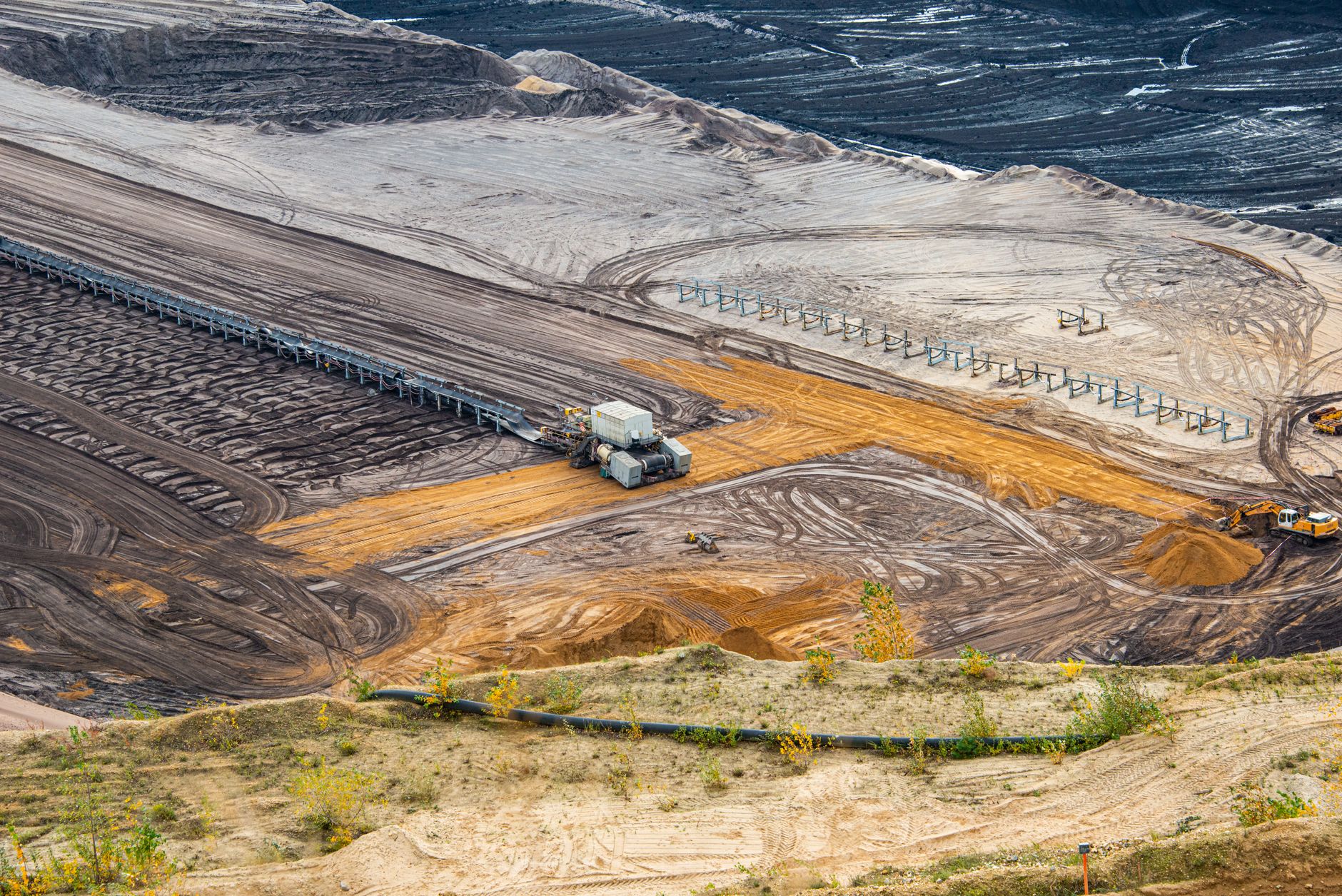
Phosphate is non-negotiable in the global food system. It is the core ingredient in fertilizer, and there is no synthetic substitute at scale. Every acre of commercial farmland on earth depends on a consistent phosphate supply, which makes the underlying mining operations something closer to infrastructure than commodity extraction. Royalty streams tied to those operations carry a different risk profile than owning the mines outright – they collect a percentage of revenue without absorbing the capital costs of equipment, labor, or regulatory compliance.
Hedge funds, particularly those running multi-strategy and natural resources mandates, have spent the past several years building exposure to royalty structures across the mining sector. The logic is consistent with what has driven interest in quarry land lease accumulation – long-duration, inflation-linked cash flows that sit above the operational chaos of the underlying business. Phosphate royalties take that logic and attach it to something with genuine supply scarcity built in.
The geographic concentration of phosphate reserves matters here. Morocco controls a dominant share of the world’s known phosphate rock deposits through its state-owned OCP Group. The United States has significant reserves in Florida and the western states, though domestic production has declined sharply over several decades. China holds substantial reserves but has periodically restricted exports to protect domestic agriculture. That three-country concentration creates pricing dynamics that benefit royalty holders when geopolitical friction tightens supply – which it has done with increasing frequency since 2021.
The 2021 and 2022 fertilizer price spikes – driven partly by Russia’s export restrictions following sanctions pressure and partly by supply chain disruptions from the pandemic era – gave institutional investors a live demonstration of how fast phosphate pricing can move. Royalty holders sitting on producing mine agreements during that window collected meaningfully higher cash flows without doing anything different. That episode attracted serious attention from fund managers who had previously ignored the sector entirely.
How the Royalty Structure Actually Works
A phosphate mining royalty gives the holder a contractual right to receive a percentage of the mine’s gross revenue, or sometimes a fixed payment per ton extracted, for the duration of a lease or concession agreement. The royalty holder owns no equipment, employs no miners, and carries no reclamation liability when the mine eventually closes. Those obligations stay with the operating company. What the royalty holder owns is a financial claim that sits ahead of the operator’s profit – the royalty gets paid before the miner counts earnings.
This senior position in the cash flow waterfall is a significant structural advantage. In commodity downturns, mining operators face margin compression and sometimes bankruptcy. The royalty stream does decline in proportion to revenue, but the royalty holder does not carry debt, does not face margin calls on equipment financing, and cannot be forced into operational decisions. The royalty just… collects less, then collects more again when prices recover. For a hedge fund running a long-term natural resources book, that asymmetry is attractive in a way that direct equity stakes in mining companies simply are not.
The market for these royalties was historically thin and illiquid. Most phosphate royalties in the United States were held by landowners, state governments, or legacy mineral rights holders who acquired the interests generations ago and had no particular motivation to sell. Creating a liquid market required aggregators – companies willing to buy scattered royalty interests, package them, and either hold the portfolio or sell it to institutional buyers. Several specialty royalty and streaming companies have moved in this direction over the past decade, though phosphate has lagged gold and silver royalty markets in terms of institutional infrastructure.
That lag is now closing. The royalty acquisition process has matured enough that a fund can build meaningful exposure without negotiating directly with individual landowners. Secondary market transactions have become more common, and some royalty packages have been structured specifically to appeal to institutional buyers with defined duration requirements. A fund running a five-year strategy can now find phosphate royalty structures with matching cash flow timelines, something that was genuinely difficult to source just a few years ago.
Valuation remains the most contested piece of this market. Phosphate royalties are typically valued using discounted cash flow models that assume some long-term price for phosphate rock, a production rate for the underlying mine, and a discount rate reflecting illiquidity risk. The problem is that phosphate pricing has been volatile enough that long-term assumptions vary widely depending on who builds the model. A fund that anchors to conservative price assumptions acquires royalties cheaply but may underperform if prices move structurally higher. A fund that models optimistic prices pays more but captures the upside if global food demand and fertilizer intensity continue rising.

The Tension Underneath the Trade
Not every phosphate royalty is created equal, and that is where the quiet accumulation gets complicated. Royalties tied to aging mines with declining ore grades carry a different forward-looking profile than royalties on recently permitted operations with decades of extractable reserves. The due diligence burden is substantial – a fund needs geological expertise, not just financial modeling, to underwrite these positions correctly. Funds that lack in-house mining expertise have started pairing with technical advisory firms, a practice that adds cost but significantly reduces the risk of acquiring a royalty on a mine that is closer to depletion than the seller’s documentation suggests.
There is also a regulatory layer that does not apply to most financial assets. Phosphate mining is subject to environmental permitting, water use restrictions, and in some jurisdictions, indigenous land rights considerations that can delay or shut down production entirely. A royalty on a mine that loses its operating permit generates nothing. Funds underwriting these positions have to assess permitting risk as seriously as they assess the financial terms of the royalty itself – and in Florida, where some of the most significant domestic phosphate reserves sit, environmental opposition to new mining activity is well-organized and has successfully challenged permits in the past.
Frequently Asked Questions
What is a phosphate mining royalty?
A phosphate mining royalty is a contractual right to receive a percentage of a mine’s revenue or a fixed payment per ton extracted, without owning the mine or bearing its operational costs.
Why are hedge funds interested in phosphate royalties now?
The 2021-2022 fertilizer price spikes demonstrated how quickly phosphate pricing can move, and royalty structures offer inflation-linked cash flows with a senior claim on revenue, making them attractive to long-duration natural resources funds.
What are the main risks in phosphate royalty investing?
Key risks include volatile phosphate pricing, mine depletion, and environmental or regulatory challenges that can suspend production and eliminate cash flows entirely.