
The Quiet Play Hiding in Plain Sight
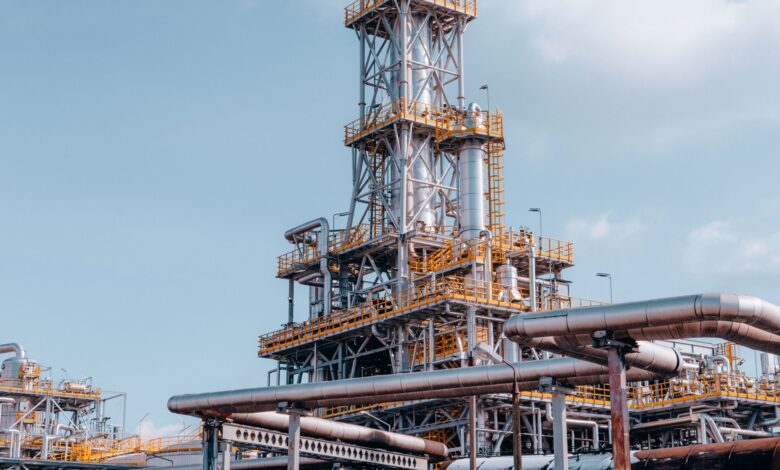
Saltwater disposal wells are not glamorous. They sit in remote patches of oil country – West Texas, the Permian Basin, the Bakken formation in North Dakota – pumping millions of barrels of produced water deep into underground rock formations every year. They are industrial infrastructure at its most unglamorous, which is precisely why a growing number of hedge funds have started acquiring lease positions in them without much public attention.
The strategy follows a pattern familiar to anyone who has watched sophisticated capital move quietly into toll-road assets, pipeline easements, or niche industrial real estate. The asset generates predictable cash flow, faces limited competition in any given geography, and carries pricing power that tightens as regulatory barriers make new permits harder to obtain. Saltwater disposal wells check every one of those boxes, and fund managers who noticed first are now sitting on positions they have no particular interest in discussing.
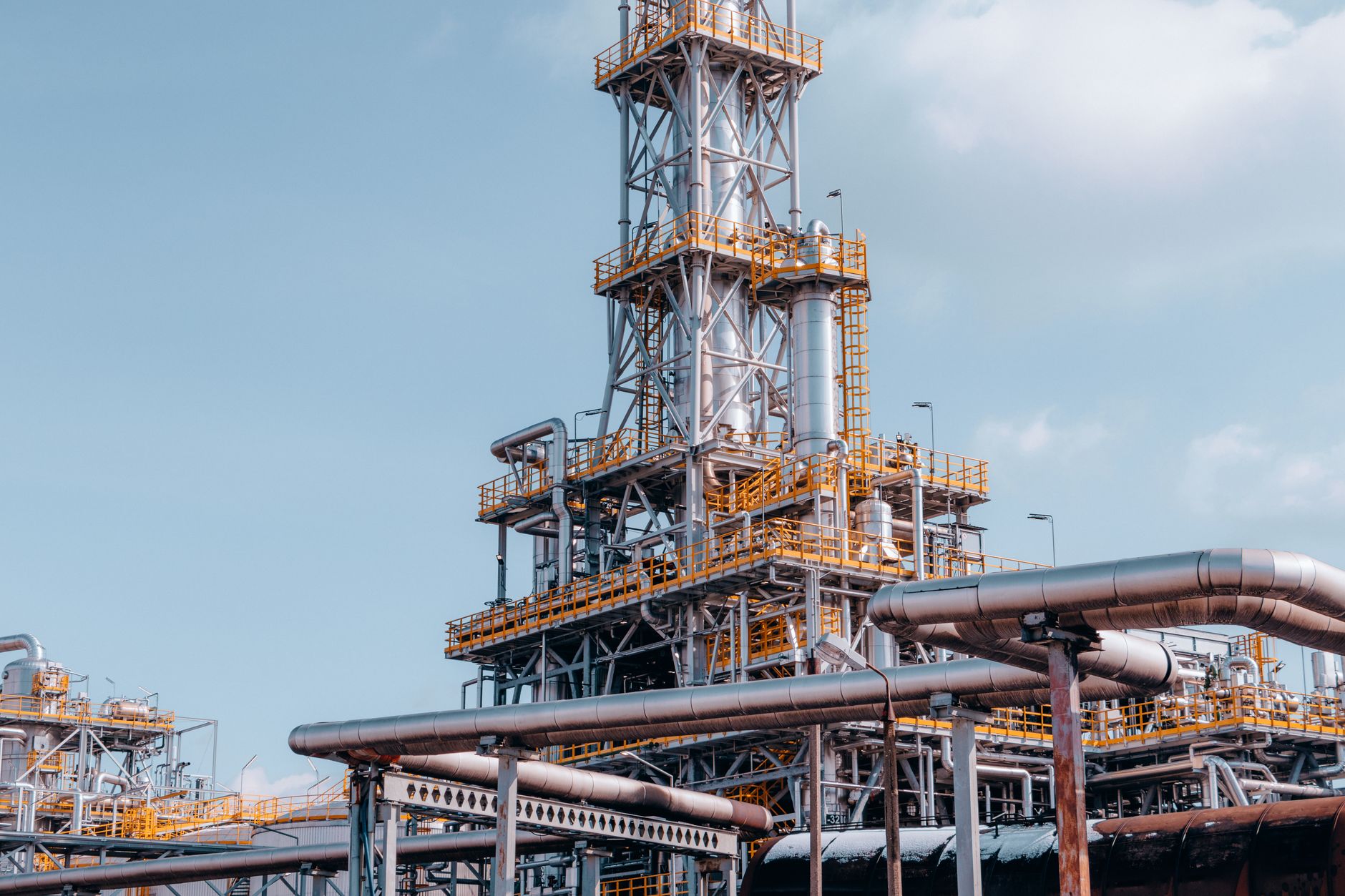
Why Produced Water Is a Growth Business
Every barrel of oil pulled from a shale formation brings with it several barrels of produced water – a briny, chemically complex byproduct that cannot simply be discharged into rivers or spread across farmland. It has to go somewhere, and that somewhere is almost always a licensed saltwater disposal well. As drilling activity in major U.S. basins has intensified over the past several years, the volume of produced water has climbed faster than disposal infrastructure has expanded. That gap between supply and capacity is where lease economics get interesting.
Operators pay disposal fees measured in cents per barrel, but those cents add up quickly at industrial scale. A single high-volume disposal well in a productive basin can process hundreds of thousands of barrels per month, generating steady fee income with operating costs that are relatively fixed once the well is drilled and connected to a gathering network. The margin profile is closer to a utility than to a drilling operation, which is exactly why it attracts capital that would never touch exploration risk.
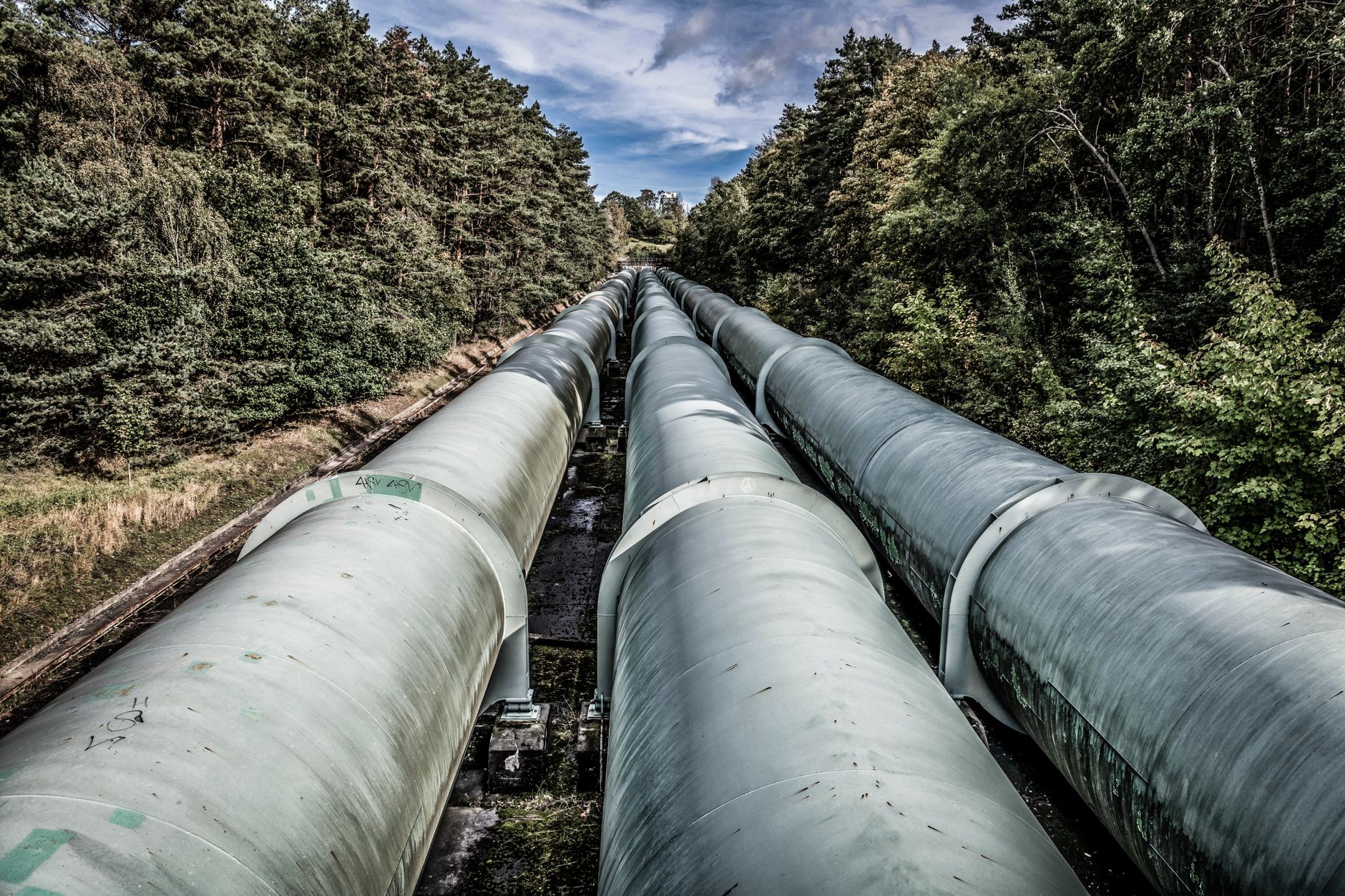
The regulatory picture adds another layer of appeal. Permitting a new saltwater disposal well involves state-level review, federal oversight in some cases, and increasingly, scrutiny tied to concerns about induced seismicity – the low-level earthquakes that have been linked in some regions to high-volume injection operations. That scrutiny does not mean wells stop getting permitted, but it does mean the process is slower and more expensive than it was a decade ago. Existing permitted capacity, particularly in high-demand areas, carries a scarcity premium that compounds over time.
Water recycling and reuse technologies are advancing and could theoretically reduce dependence on disposal infrastructure, but the volumes involved are immense enough that disposal wells are not going away on any timeline relevant to a five-to-seven year fund horizon. Some operators have begun treating and recycling produced water for use in hydraulic fracturing operations, but the economics of recycling vary widely by basin and by water chemistry, and disposal remains the default option across most of the industry.
How the Lease Structure Works
Hedge funds are not typically drilling wells. The play is in acquiring the underlying lease rights – the contractual interest in the land and subsurface where the well sits, combined in some cases with fee arrangements tied to throughput volume. Some positions are built by purchasing leases from smaller operators who need liquidity, others through direct negotiations with landowners, and some through secondary market transactions where an earlier investor needs to exit.
This is similar in structure to how sophisticated funds have approached airport fuel hydrant lease positions – acquiring the underlying infrastructure rights rather than the operating business, then collecting predictable income tied to usage volume. The operating entity handles day-to-day well management; the lease holder collects a royalty or fee stream with relatively limited operational involvement.
The Risk Profile Nobody Talks About
The obvious risk is commodity-linked: if oil production in a given basin contracts sharply, produced water volumes fall with it, and disposal fee revenue shrinks. This is not a theoretical concern – the 2020 production collapse hit disposal well operators hard in some areas, and funds building positions now need to model that scenario honestly. Geographic diversification across multiple basins is the standard mitigation, and funds building larger portfolios are deliberately spreading exposure rather than concentrating in a single formation.
Induced seismicity regulation is the other overhang that keeps some institutional capital on the sidelines. Oklahoma took aggressive action to curtail disposal volumes in certain areas after a series of earthquakes were correlated with injection activity, and other states are watching that precedent carefully. A regulatory order requiring volume reductions at a specific well can impair lease economics quickly, and the legal recourse for lease holders in that scenario is not always straightforward.

Environmental liability is a longer-term question that lease structures try to address through indemnification provisions, but those provisions are only as good as the counterparty standing behind them. A smaller operator who assumes liability and subsequently becomes insolvent leaves the lease holder exposed in ways that are difficult to price at acquisition. The funds moving most aggressively into this space tend to be those with in-house legal and technical teams capable of conducting the kind of subsurface and regulatory due diligence that a generalist investor cannot reasonably do.
What makes the trade compelling despite those risks is pricing. Because the asset class sits at the intersection of oilfield services and real estate in a way that does not fit neatly into standard institutional categories, it has historically been underpriced relative to the cash flow it produces. Deals that might trade at much tighter multiples if they carried a conventional infrastructure label have been available at wider spreads simply because fewer buyers know how to evaluate them. That informational edge closes as more capital enters the space – and some of the managers who entered early are now quietly watching whether that window is still open or has already begun to close.
Frequently Asked Questions
Why are hedge funds investing in saltwater disposal well leases?
The leases generate steady, volume-based fee income with utility-like margins, and tightening permit regulations make existing capacity increasingly scarce and valuable.
What are the main risks of investing in saltwater disposal well leases?
Key risks include falling oil production volumes, induced seismicity regulations that can force injection cutbacks, and environmental liability exposure if operating counterparties become insolvent.