
The Quiet Bet on Where Oil Sits Still
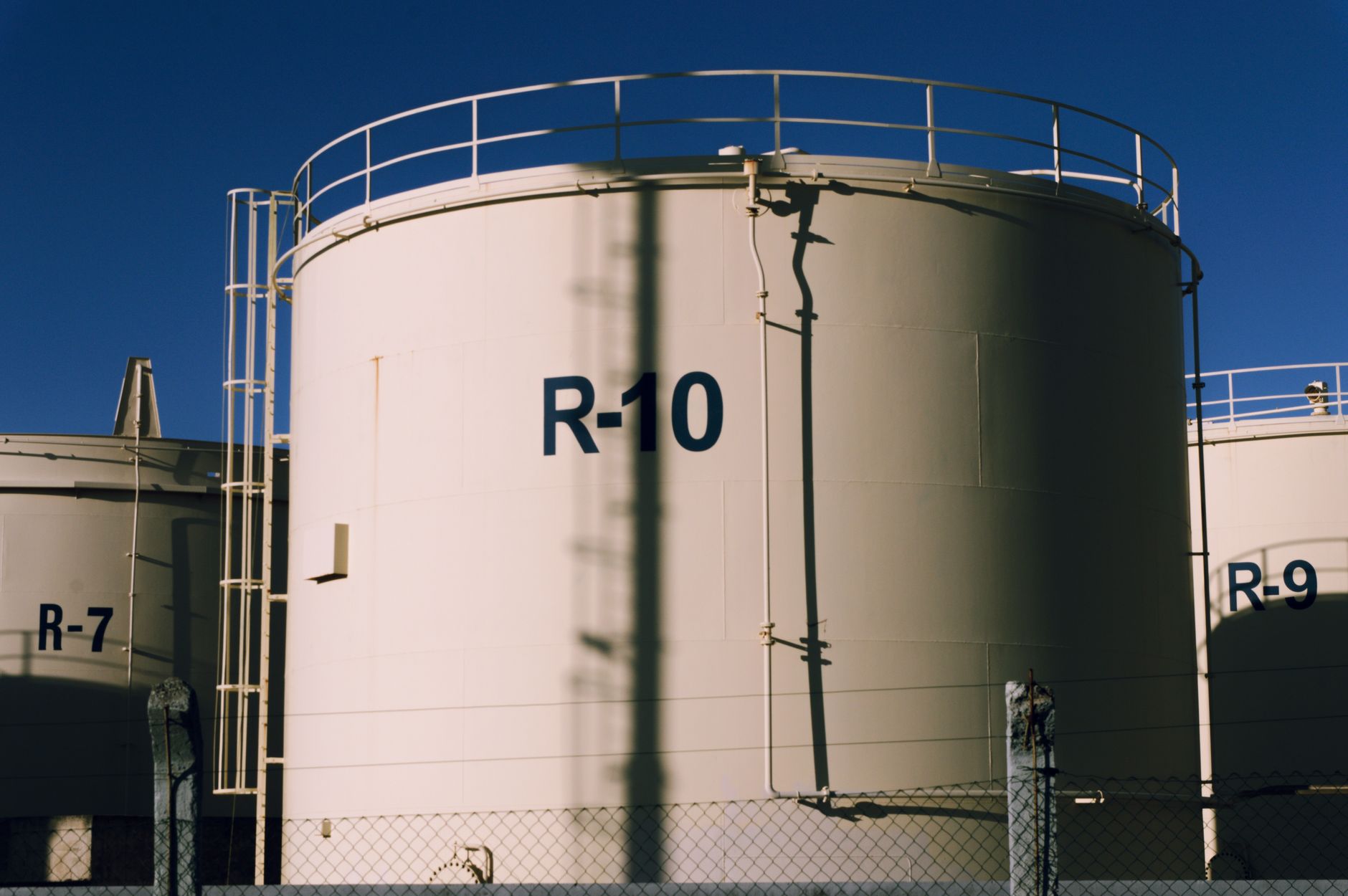
When crude oil prices collapsed in early 2020, storage tanks across the Gulf Coast filled so fast that traders briefly paid buyers to take barrels off their hands. That moment of chaos planted a seed. A growing number of hedge funds watched that episode and drew the same conclusion: the physical infrastructure of oil storage – the tanks, the terminals, the lease agreements that govern who controls them – carries pricing power that futures contracts alone cannot capture. Now, several years on, capital is quietly moving into crude oil storage leases as a standalone asset class.
The accumulation is happening below the radar of most retail investors, largely because storage leases don’t trade on exchanges and don’t appear in standard portfolio disclosures until position sizes cross reporting thresholds. The deals are structured as long-term lease agreements with pipeline operators, port authorities, or independent terminal companies, giving hedge funds the right to store specific volumes of crude at fixed or floating rates. The appeal is not purely speculative – it is structural, rooted in how oil markets price the relationship between present supply and future delivery.
Contango Is the Engine
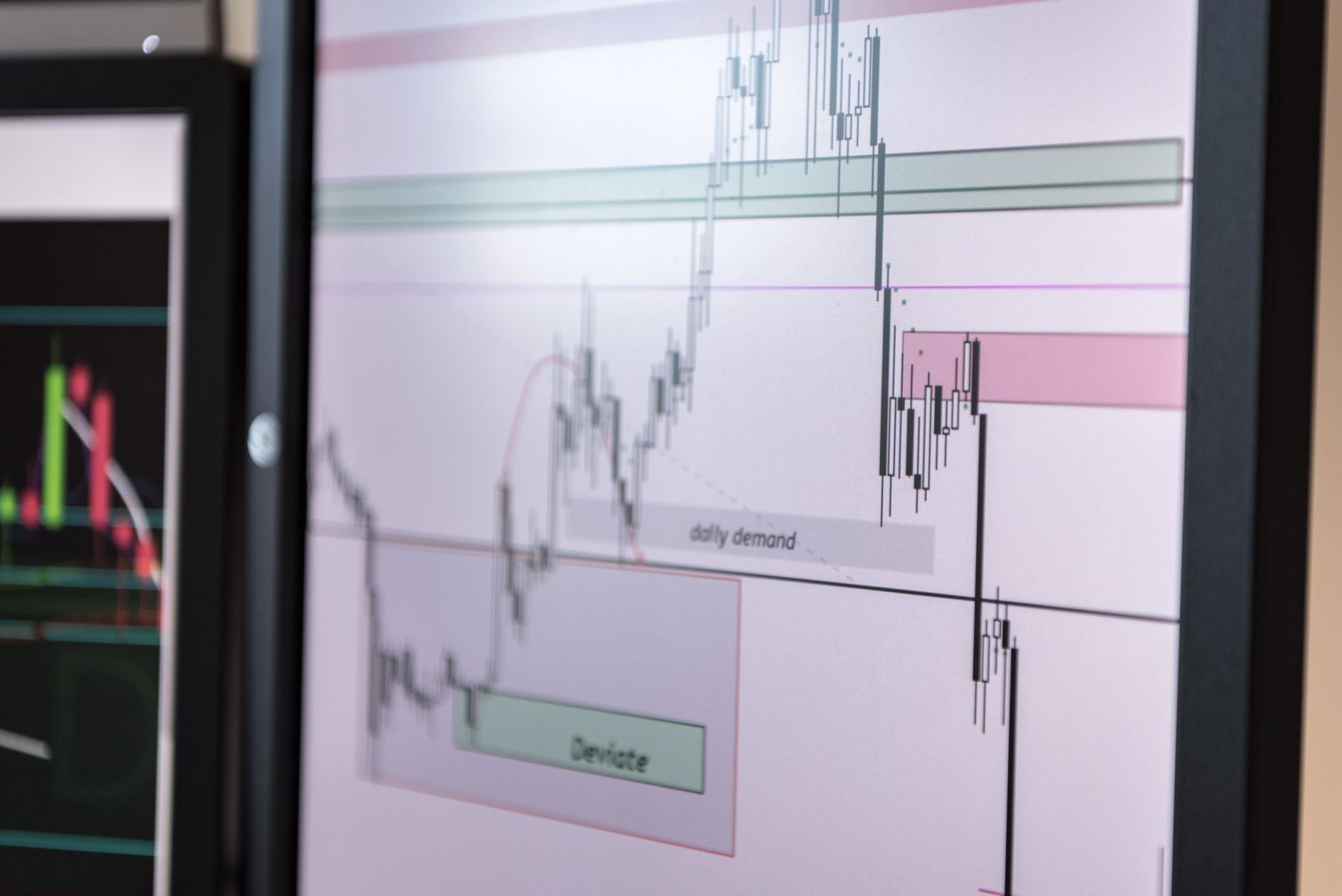
The financial logic behind storage lease accumulation runs through a condition called contango, where oil prices for future delivery are higher than prices for immediate delivery. When contango is steep enough to exceed the cost of storing and financing barrels, holding physical crude becomes a profitable trade. A fund that controls storage capacity can buy spot crude, lock in a forward sale at a higher price, and pocket the spread. The storage lease is what makes that trade possible – without committed tank space, there is no way to execute it at scale.
What changed in recent years is that hedge funds stopped treating storage access as a temporary fix during periods of market stress and started treating it as a durable competitive advantage. A fund with a multi-year lease on a major Gulf Coast terminal can run contango trades repeatedly across market cycles, adjusting position sizes as the spread widens or narrows. This is different from simply owning shares in a storage company – it means controlling the physical capacity directly, which gives the fund discretion over timing, volume, and counterparty selection that a passive equity stake never would. The funds accumulating these positions are, in effect, becoming infrastructure operators alongside their role as financial traders.
How the Deals Are Structured
Crude oil storage leases typically run anywhere from one year to ten years, with longer terms negotiated at lower per-barrel rates. Hedge funds entering this space generally prefer mid-duration agreements – three to five years – that offer cost certainty without locking in capacity through multiple market cycles that might not favor the storage trade. Some structures include throughput commitments, requiring the lessee to move minimum volumes through the terminal, while others are purely tank rental arrangements with no minimum flow requirement. The latter is more expensive per barrel but more flexible, which suits funds that want optionality on how aggressively they run the trade.
Financing is another layer. Because physically holding crude requires capital to purchase the barrels, funds often pair their storage leases with commodity lending facilities from major banks, using the stored oil as collateral. The leverage embedded in this structure amplifies returns when contango is wide, but it also amplifies losses if the market shifts into backwardation – where near-term prices exceed future prices – and the fund is left holding barrels worth less than the forward contracts it expected to profit from. This is not a risk-free carry trade, and funds that entered these positions without disciplined exit protocols have absorbed significant losses when oil market structure reversed quickly.
Terminal operators have also grown more selective about who they lease to. After several incidents where smaller trading houses failed to meet lease obligations during volatile periods, terminal companies began requiring larger security deposits and stronger credit profiles from prospective lessees. This has effectively created a barrier to entry that benefits well-capitalized hedge funds, because they can post the required collateral and absorb short-term mark-to-market swings without defaulting on lease payments. The credit qualification process has, somewhat counterintuitively, made storage leases more attractive to large funds precisely because it limits competition from smaller players.
This dynamic is not entirely unlike what pension funds have pursued in midstream pipeline capacity rights, where long-term access to physical infrastructure generates returns tied to commodity flows rather than commodity prices directly. The difference is that storage leases carry more direct price exposure – the return on a storage play is closely linked to where oil prices and market structure sit at the moment of execution, not just whether barrels move through a pipe.
Geographic Concentration and Regulatory Exposure
The majority of hedge fund activity in storage leases is concentrated around Cushing, Oklahoma – the delivery point for West Texas Intermediate futures – and along the Gulf Coast near Houston and Corpus Christi, where export infrastructure connects domestic production to international buyers. A smaller but growing cluster of deals involves storage at Caribbean transshipment hubs, which offer advantages for funds blending crude grades or managing international arbitrage trades. Each location comes with different regulatory frameworks, environmental compliance costs, and insurance requirements that affect the actual economics of the lease.
Regulatory risk is real and underappreciated by funds new to the physical commodities space. Storage facilities are subject to environmental inspection regimes, spill liability rules, and local zoning decisions that can affect operational status with relatively short notice. A fund holding a five-year lease on a facility that loses its operating permit two years in has a problem that no futures position can hedge. The most experienced players in this space treat regulatory due diligence as central to the investment thesis – the operational history of a terminal, its environmental compliance record, and the stability of its permits are evaluated as carefully as the financial terms of the lease itself.
What This Means for the Broader Market
When hedge funds control significant portions of available storage capacity, it affects how oil prices form at the margins. A fund that decides to aggressively fill its leased tanks puts upward pressure on spot prices and tightens the physical market, while one that draws down storage and sells into the market does the opposite. At sufficient scale, these decisions ripple through the futures curve, affecting the very contango conditions the fund depends on for profitability. There is an inherent tension in the strategy: success attracts capital, which narrows spreads, which reduces the trade’s appeal.
Commodity trading advisors and multi-strategy hedge funds have been the most active acquirers, given their existing operational infrastructure for physical commodity trading and their relationships with terminal operators. Funds without dedicated commodity desks have generally found the entry costs – legal, operational, and logistical – prohibitive relative to the returns available. The strategy scales well for large operations and poorly for small ones, which has pushed deal sizes upward as funds negotiate for larger tank allocations to justify the overhead.
There is also a question of what happens to these lease positions when the energy transition eventually reduces crude throughput at major terminals. Some terminal operators are already hedging by developing dual-use facilities capable of handling crude oil and refined products alongside lower-carbon fuels. Funds with long-duration leases at facilities that pivot successfully to alternative uses may find their positions retain value even as pure crude storage economics deteriorate. Those holding leases at single-purpose facilities in landlocked locations with limited infrastructure connectivity face a very different long-term picture – and that distinction is already showing up in how lease terms are being negotiated today.