

The Quiet Accumulation
Ground leases on diesel fuel terminals are not the kind of asset that shows up in investor conference decks or gets profiled in financial media. They sit beneath tank farms and truck loading facilities, generating rent checks from fuel distributors who have no realistic option but to renew. That combination – low visibility, high renewal certainty, and inflation-linked rent escalations built into long-term lease structures – is exactly what a growing number of hedge funds have been hunting for over the past several years.
The activity has remained largely off the radar because these positions don’t require public disclosure in the same way equity stakes do. Ground lease acquisitions are closed in private real estate transactions, often structured through special purpose vehicles, and the counterparties involved are fuel logistics companies with little incentive to publicize their landlord arrangements. The result is a slow, deliberate accumulation that only becomes visible in aggregate when deal flow patterns start to shift.

Why Diesel Terminals, Why Now
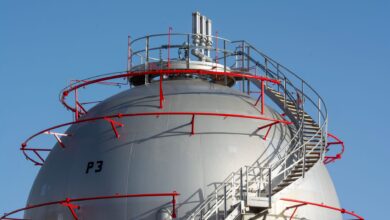
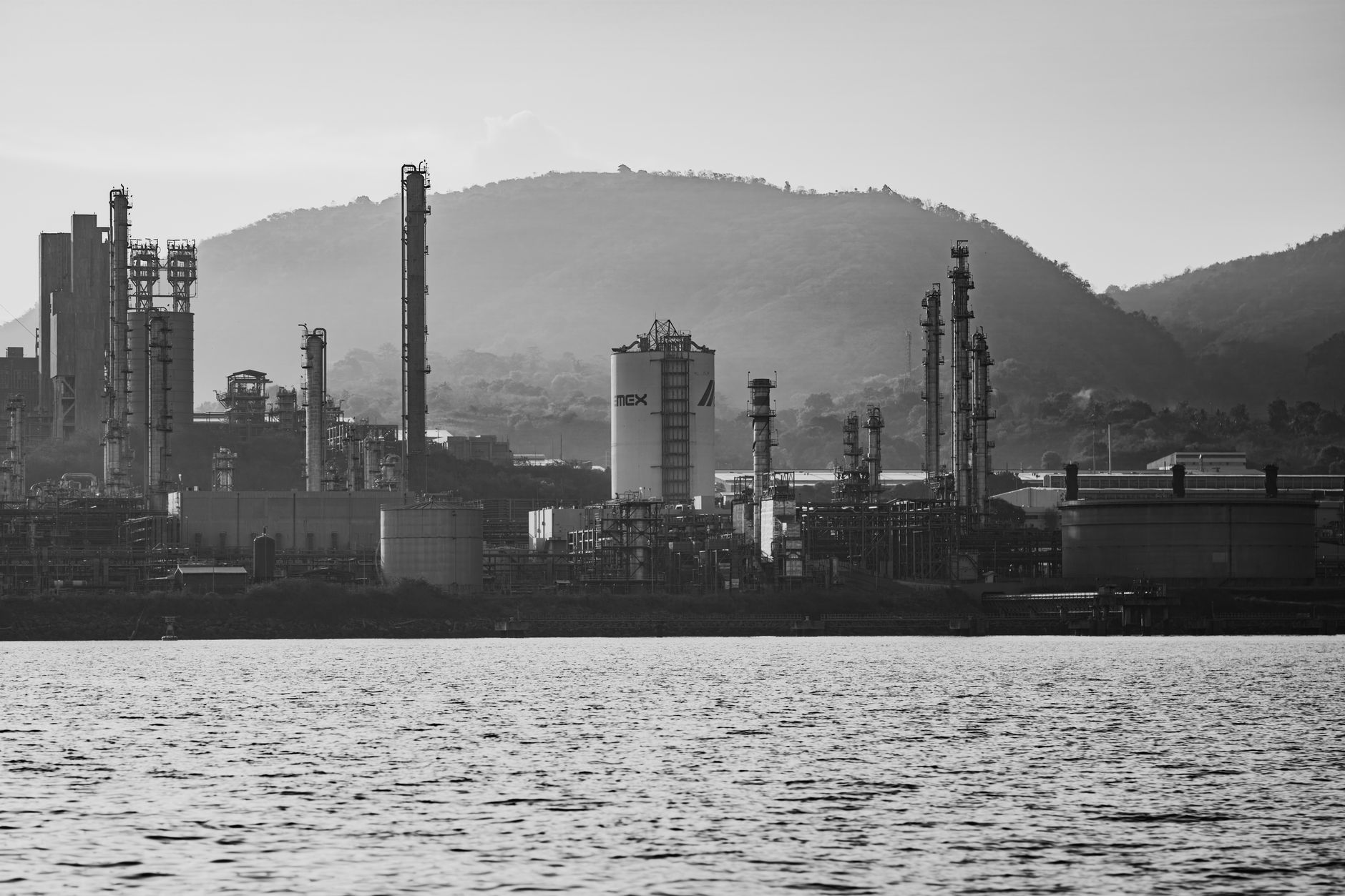
Diesel remains the backbone of freight movement. Long-haul trucking, rail yard operations, agricultural equipment, and construction fleets all run on distillate fuel, and none of those demand categories are shrinking. The terminal infrastructure that stores and distributes diesel was largely built between the 1960s and 1990s, meaning the land beneath it has been in industrial use for decades. That history creates something valuable: regulatory acceptance. Permitting a new fuel terminal from scratch is an expensive, time-consuming process involving environmental review, local zoning battles, and federal oversight. Existing terminal sites, by contrast, carry grandfathered operating rights that make them nearly impossible to replicate.
Ground leases specifically – as opposed to ownership of the terminal structures and equipment above ground – give investors the most durable slice of that value. The tenant, typically a fuel distributor or logistics operator, owns the tanks, the loading racks, and the piping. The ground lessor simply owns the land and collects rent. When a lease expires, the tenant either renews or walks away from a multi-million dollar infrastructure investment. In practice, they renew. Lease terms commonly run 30 to 50 years with built-in escalation clauses tied to CPI or fixed annual percentage increases, meaning the income stream grows without any active management required from the landowner.
Hedge funds with longer-duration capital – particularly those running credit-oriented or real assets strategies – have started treating these leases the way pension funds treat freight pipeline corridor easements: as bond-like instruments with real estate upside and minimal operational risk. The cash flows are predictable, the counterparties are established businesses, and the underlying land retains value independent of what happens to the tenant.
The Mechanics of the Trade
Acquiring these positions is not straightforward. Most diesel terminal ground leases are held by families or private entities that originally sold or leased the land to fuel companies decades ago. They haven’t thought of their ownership as a tradeable asset, and they’re not actively looking to sell. That means deal sourcing is relationship-driven, requiring local legal networks, title company contacts, and patient outreach over months or years before a transaction materializes.
Once a position is identified, the pricing negotiation centers on the capitalization rate applied to the current rent. Because these leases are obscure and illiquid, sellers frequently don’t have a clear market reference point, which can create favorable entry prices for well-capitalized buyers who do their homework. A fund that builds proprietary data on lease terms across dozens of terminals in a given region gains a genuine information advantage over occasional buyers.
The Risk Profile and What It Actually Means
The most common objection to this trade is the energy transition argument: as electric vehicles proliferate, diesel demand falls, terminal operators go out of business, and the ground beneath those facilities loses its tenant. That narrative is worth taking seriously, but the timeline matters enormously. Medium and heavy-duty freight trucking is nowhere close to a credible electrification path at scale. The charging infrastructure, battery weight constraints, and range limitations for long-haul loads remain unresolved engineering and economic problems. Diesel freight demand in the United States is forecast to remain substantial well into the 2040s, and most of the leases hedge funds are acquiring today run for 30 to 50 years from inception, with remaining terms that may extend only another 15 to 25 years before renewal becomes the key question.
There is also the land itself. Diesel terminal sites are industrial land in locations that were chosen for a reason – proximity to highways, rail access, pipeline connections, or port facilities. If a fuel tenant eventually vacates, that location doesn’t become worthless. It becomes redevelopable industrial real estate in a supply-constrained corridor. The ground lease investor holds the land outright at that point and can pursue alternative uses, sell to a developer, or simply wait. The optionality embedded in the land ownership is a genuine hedge against the transition scenario.

The structural complexity of these deals also functions as a moat. A retail investor or small family office can’t easily compete in this space. Building a portfolio of terminal ground leases requires legal expertise in real estate and energy law, environmental due diligence capabilities, title research in multiple jurisdictions, and relationships with fuel logistics operators who can provide ground-level intelligence on which terminals are operationally critical versus marginal. Hedge funds that have assembled those capabilities are effectively operating in a market with very few competing buyers, which keeps pricing rational and deal flow accessible for those already positioned to execute.
What makes this moment particularly interesting is that some terminal operators are actively interested in monetizing their ground lease positions to raise capital – essentially sale-leaseback structures where the operator sells the land, leases it back on a long-term basis, and uses the proceeds to fund upgrades or retire debt. That creates a motivated seller dynamic that doesn’t require a fund to cold-call reluctant landowners. The capital is flowing in both directions now, and the operators who need liquidity are finding a ready set of institutional buyers who know exactly what these cash flows are worth.